

A Global Tribute to the World’s Favorite Green Nut
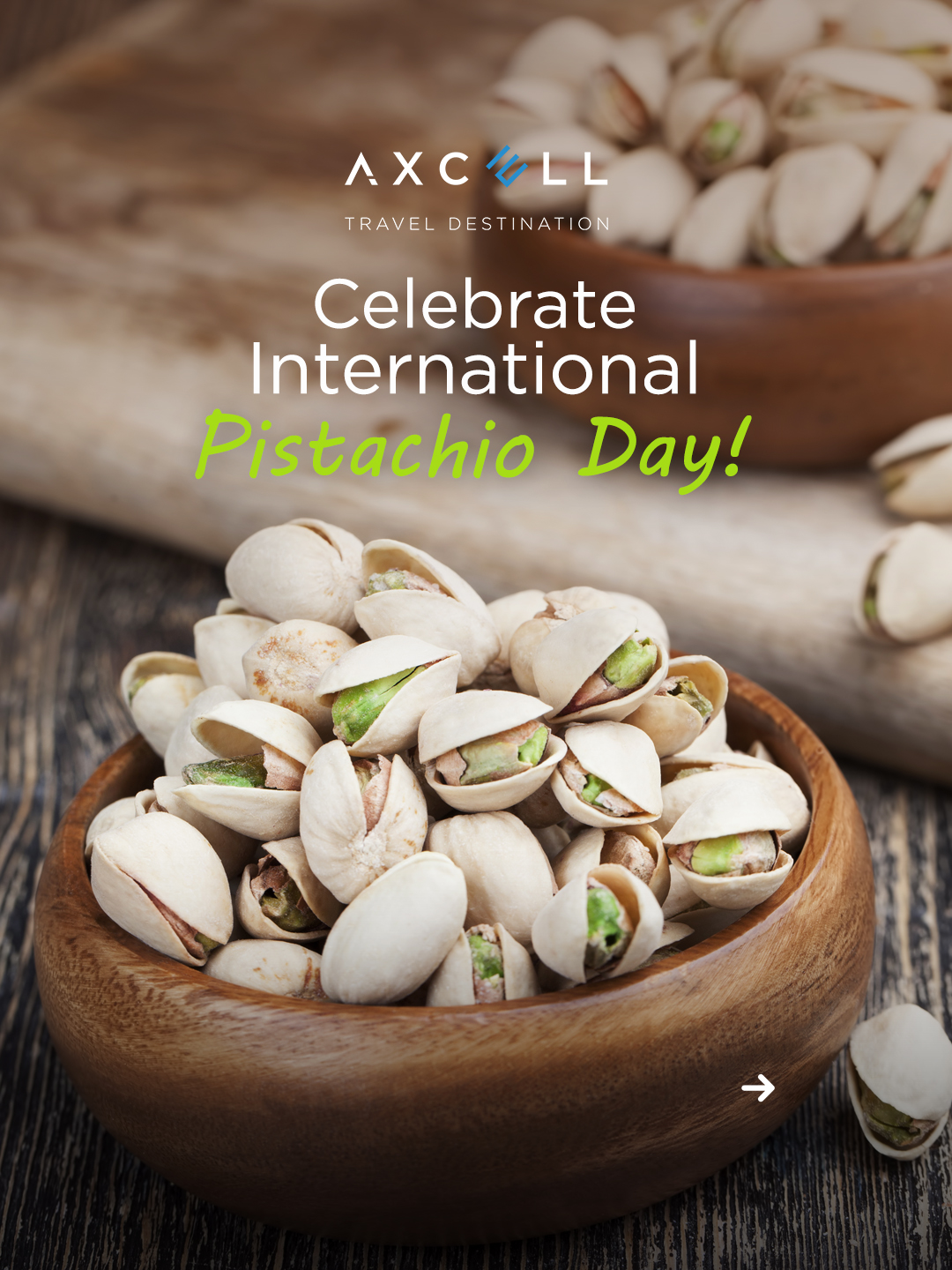
Small in size yet bold in flavor, pistachios have traveled across continents and centuries to become one of the world’s most beloved nuts. From ancient Persian orchards to modern Californian farms and Mediterranean groves, pistachios carry a rich history of cultivation, trade, and culinary innovation.
Often nicknamed “Green Gold,” pistachios are more than a snack—they are symbols of heritage, craftsmanship, and regional pride. International Pistachio Day is the perfect moment to celebrate not only their irresistible crunch but also the cultures and landscapes that bring them to life.
Let’s explore the pistachio’s journey across three major producing regions: Iran, the United States, and the Mediterranean gems of Turkey and Greece.
Iran | The Historic Home of Pistachios - A Legacy Rooted in Ancient Soil
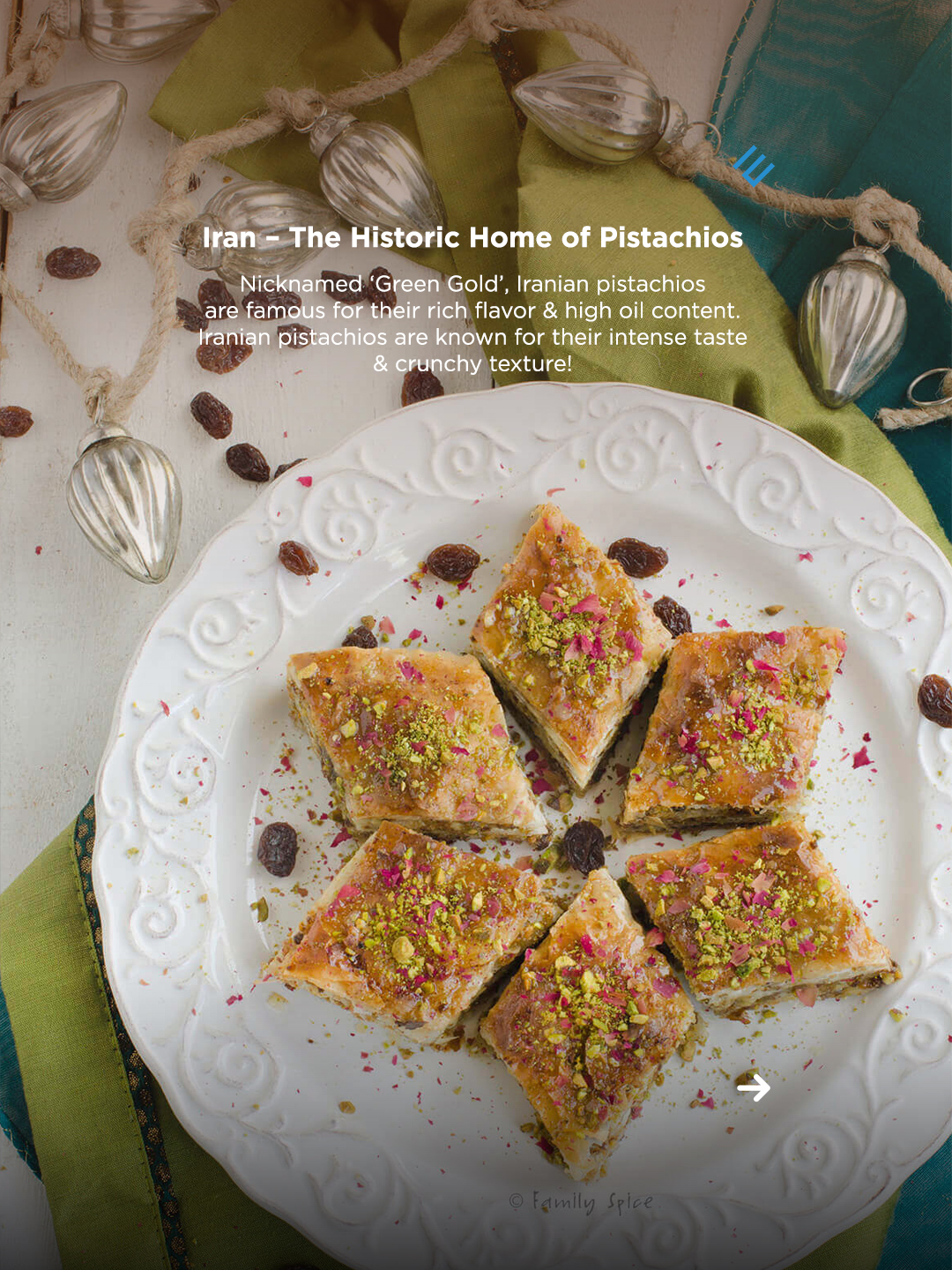
Few countries are as deeply connected to pistachios as Iran. Pistachios have been cultivated in Persian lands for thousands of years, making Iran one of the earliest known producers of this prized nut.
In Iranian culture, pistachios symbolize hospitality and celebration. They appear at family gatherings, weddings, and festivals, often served alongside tea or incorporated into traditional sweets.
Why Iranian Pistachios Are So Prized
Iranian pistachios are celebrated for their:
Rich, intense flavor
High oil content, which enhances aroma
Distinctive crunch and texture
The country’s dry climate and mineral-rich soil contribute to their unique taste profile. Many pistachio enthusiasts describe Iranian varieties as deeper and more aromatic compared to others.
A Cultural and Economic Treasure
Nicknamed “Green Gold,” pistachios are not only a culinary staple in Iran but also an important agricultural export. Regions such as Kerman have become synonymous with high-quality pistachio production.
Beyond economics, pistachios remain woven into Persian cuisine—from saffron-infused rice dishes to delicate pastries like baklava and nougat.
Iran’s pistachios represent history preserved through agriculture.
The USA | California’s Pistachio Empire - A Rising Global Leader
While pistachios originated in the Middle East, the United States has become a dominant force in production—thanks largely to California.
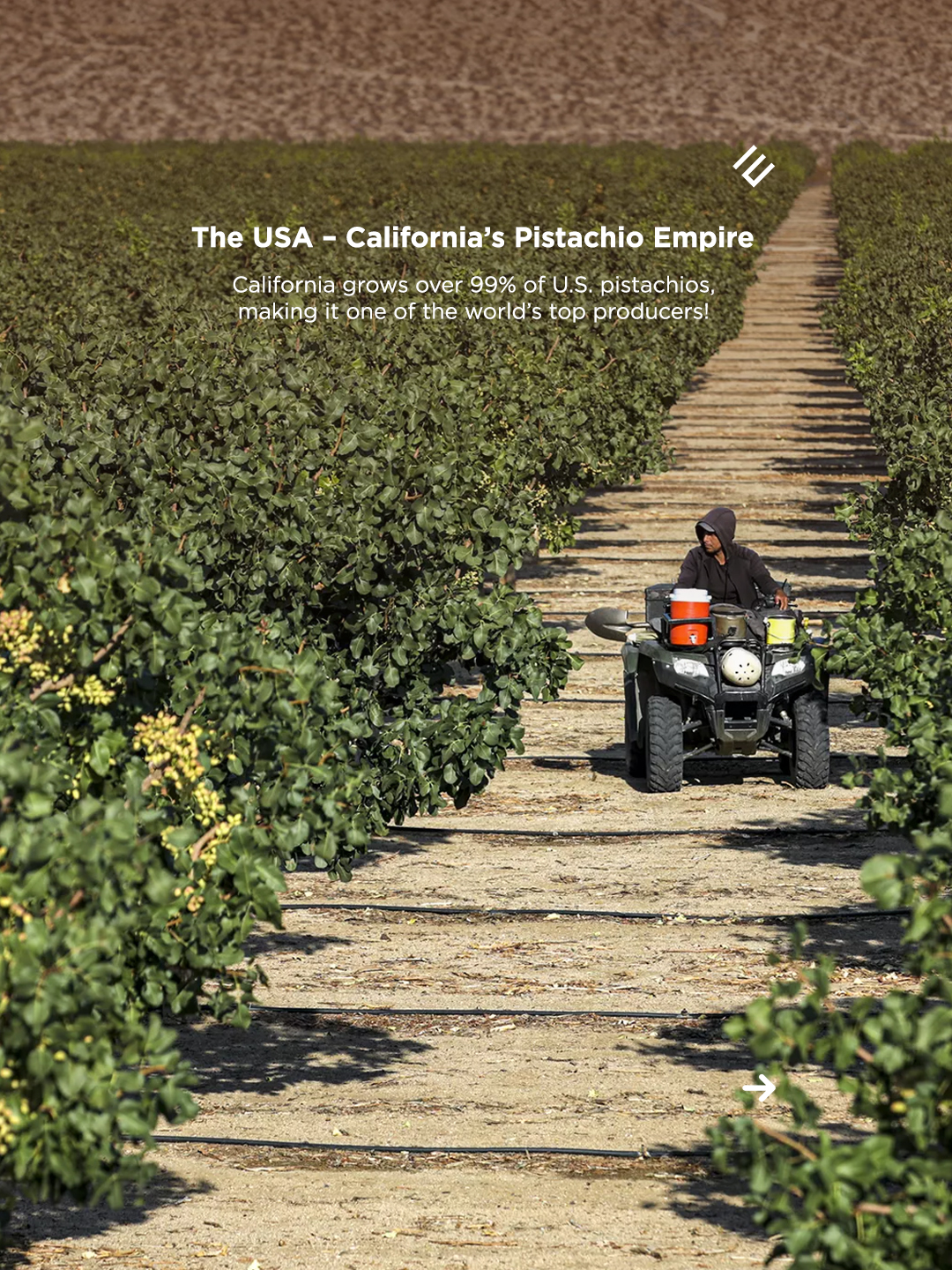
California grows over 99% of U.S. pistachios, making it one of the world’s top producers. The state’s Central Valley offers ideal conditions: long, hot summers and mild winters that support healthy tree growth.
Innovation and Scale
California pistachio farming is known for:
Advanced irrigation systems
Mechanized harvesting
Strict quality control standards
This large-scale production allows the U.S. to supply pistachios globally, meeting increasing demand for healthy snack options.
Flavor and Versatility
California pistachios are recognized for their:
Consistent size
Naturally split shells
Balanced, mildly sweet flavor
They are widely used in:
Ice cream and desserts
Savory dishes and salads
Plant-based recipes
Convenient roasted and flavored snacks
The American pistachio industry reflects modern agricultural innovation—efficient, scalable, and globally competitive.
Turkey & Greece | Mediterranean Pistachio Gems - Turkey’s Flavorful Heritage
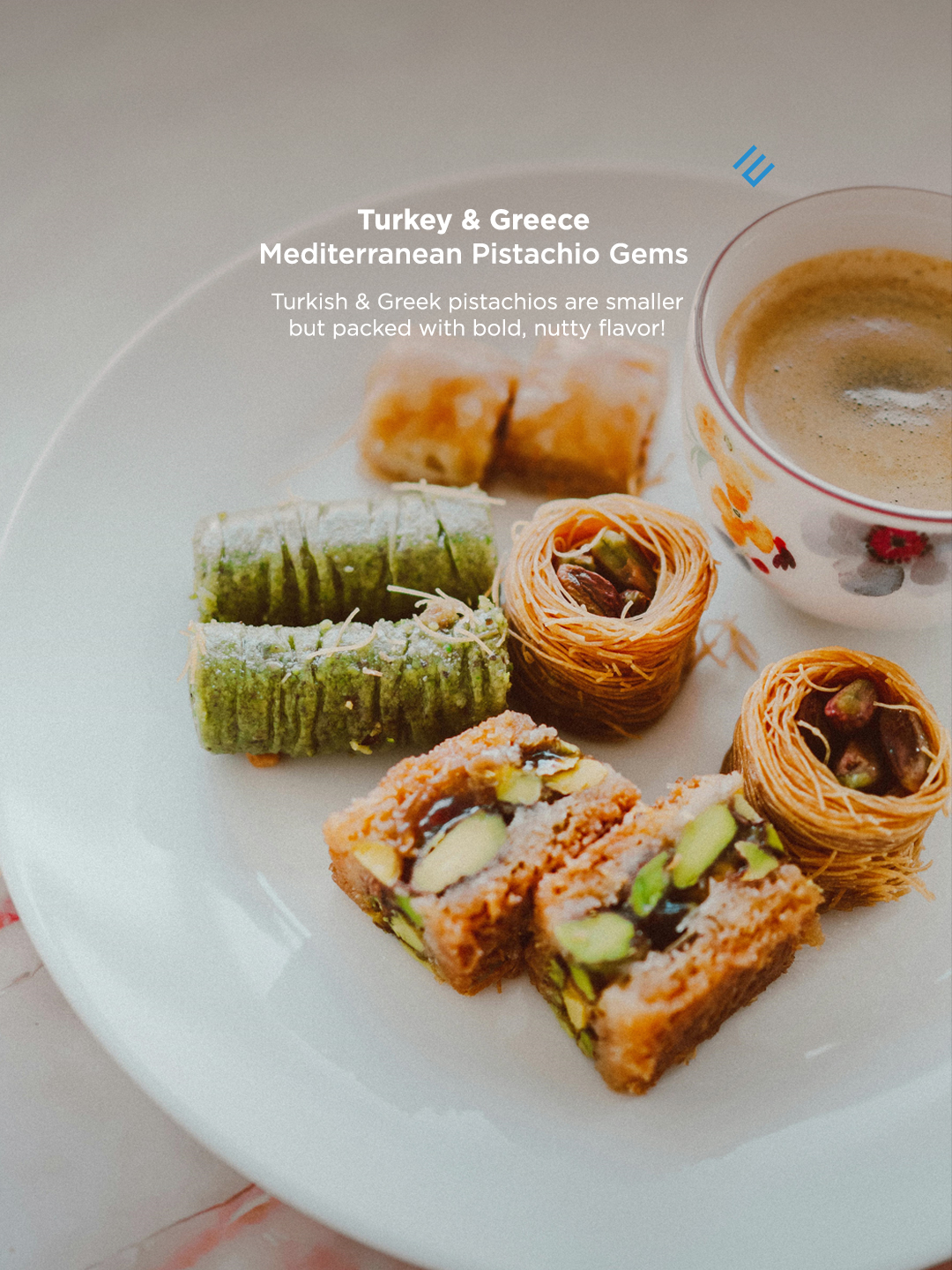
In Turkey, pistachios hold deep culinary importance, especially in regions like Gaziantep, known for its rich dessert traditions.
Turkish pistachios are typically:
Smaller
Intensely nutty
Slightly sweeter
They are essential ingredients in iconic dishes such as baklava and pistachio-filled confections. The smaller size concentrates flavor, making them particularly prized in pastry making.
Greece’s Island Specialty
In Greece, pistachios from Aegina Island have earned protected designation status for their quality. Greek pistachios are known for their:
Bright green color
Strong aroma
Rich, bold taste
They are enjoyed roasted, incorporated into sweets, or blended into pistachio creams and spreads.
Mediterranean Character
What distinguishes Turkish and Greek pistachios is character. While they may be smaller than American varieties, their bold, concentrated flavor makes them favorites among chefs and dessert artisans.
These Mediterranean pistachios reflect traditional cultivation methods and regional pride.
The Global Love for Pistachios - A Nutritional Powerhouse
Pistachios are not only delicious but also nutritious. They are:
Rich in healthy fats
High in protein
Packed with antioxidants
A source of fiber and essential minerals
This nutritional profile has contributed to their popularity as a modern super-snack.
Culinary Creativity Across Cultures
Around the world, pistachios appear in:
Middle Eastern sweets
Italian gelato
French pastries
American snack aisles
Mediterranean sauces
Their versatility bridges sweet and savory, traditional and contemporary cuisine.
Why Pistachios Connect Cultures
Despite regional differences in size, texture, and flavor, pistachios share a common thread: they connect people to land, tradition, and celebration.
Iran’s ancient orchards reflect history.
California’s farms represent innovation.
Turkey and Greece preserve artisanal heritage.
Each region adds its own story to the global pistachio narrative.
A Small Nut with a Global Story
International Pistachio Day is more than a tribute to a snack—it is a celebration of agriculture, culture, and shared appreciation across borders.
From the historic fields of Iran to the expansive orchards of California and the flavorful Mediterranean groves of Turkey and Greece, pistachios remind us that even the smallest foods can carry vast histories.
Crunchy, aromatic, and vibrantly green, pistachios symbolize abundance and connection—proof that something small can leave a lasting impression.
So today, crack open a shell, savor the flavor, and celebrate the global journey of Green Gold.
Add a Comment