
China’s Winter Wonder – Jiuzhaigou

Discover Jiuzhaigou National Park - China’s Winter Wonderland Straight Out of a Fairy Tale

Hidden high in the mountains of southwestern China, Jiuzhaigou National Park transforms into one of the most enchanting winter destinations in the world. Located in Sichuan Province, this UNESCO World Heritage Site is celebrated for its surreal landscapes—turquoise lakes, multi-tiered waterfalls, snow-dusted forests, and alpine peaks that feel almost unreal.

While Jiuzhaigou is beautiful year-round, winter reveals a quieter, more magical side of the park. As temperatures drop and snow begins to fall, the entire valley turns into a frozen dreamscape—one that feels untouched, peaceful, and deeply atmospheric.

This is not just a destination.
It’s a winter story waiting to be explored.
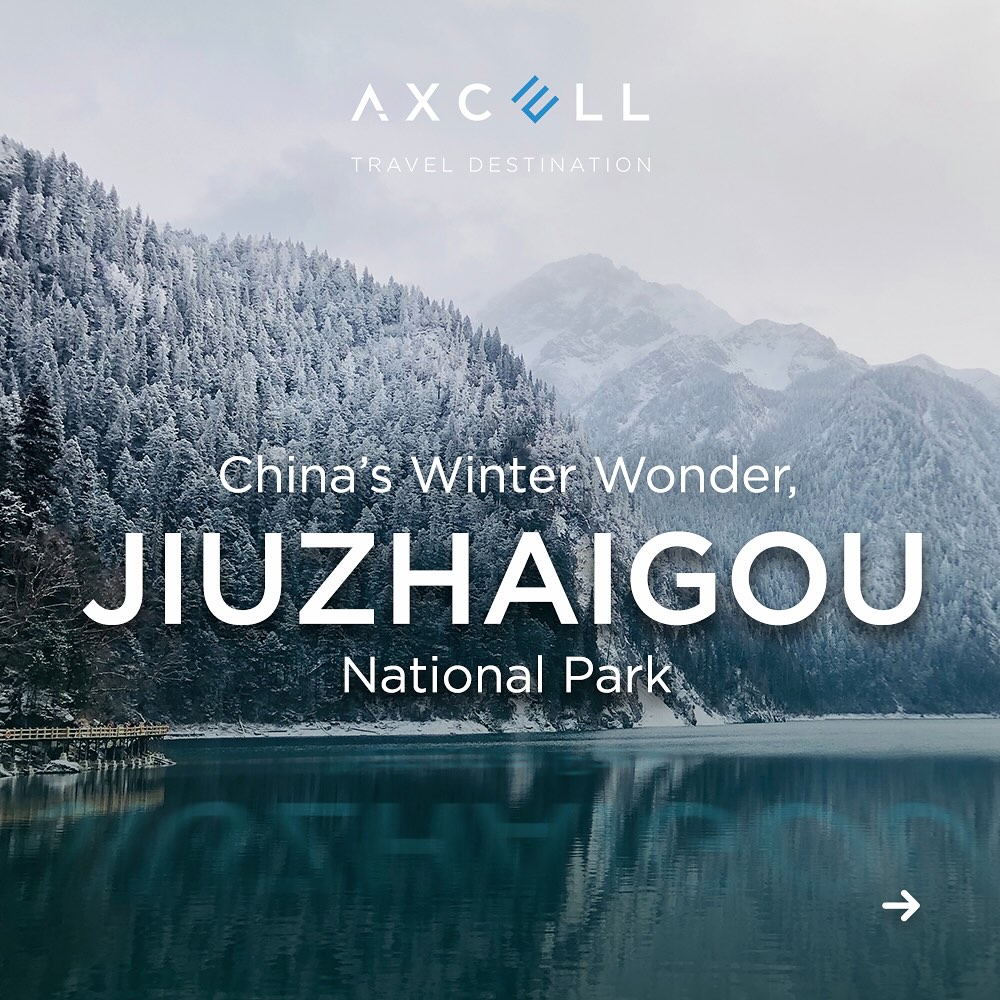
China's Winter Wonder - Jiuzhaigou

A Landscape Painted by Nature

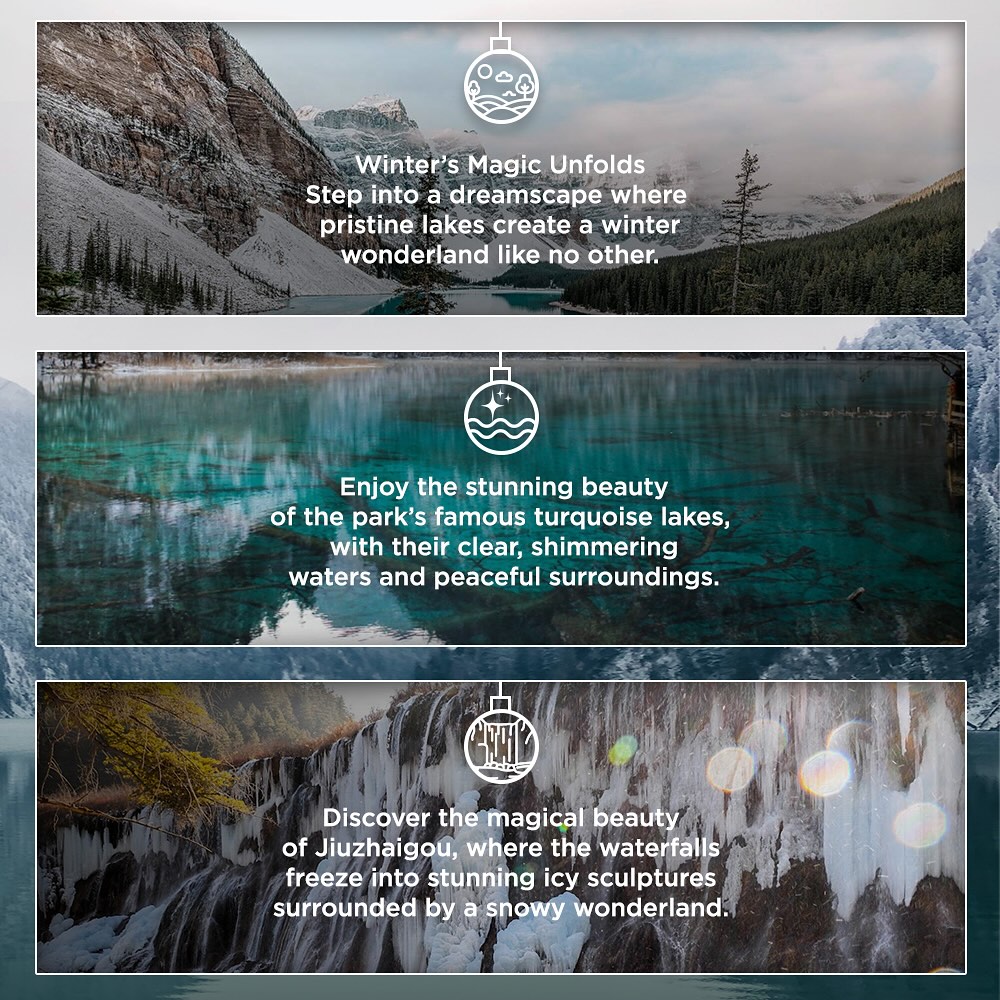
Jiuzhaigou National Park is famous for its vibrant colors, even in the coldest months. Unlike many winter destinations dominated by white and gray, Jiuzhaigou’s lakes retain their signature shades of turquoise, emerald, and deep blue. Snow-covered trees frame crystal-clear waters, creating striking contrasts that feel almost painterly.

These lakes are fed by mineral-rich water flowing through limestone formations, giving them an otherworldly clarity. In winter, thin layers of ice form intricate patterns on the surface, adding texture and depth rather than hiding the color beneath.

Walking through the park feels like stepping into a living artwork—each viewpoint revealing a new composition shaped by ice, water, and light.

Frozen Waterfalls - Nature in Motion, Paused

One of Jiuzhaigou’s most mesmerizing winter features is its frozen waterfalls. Cascades that thunder with energy in warmer seasons slow and crystallize into towering ice sculptures. Some sections freeze completely, forming delicate icicles and shimmering walls of ice. Others continue to flow beneath frozen layers, creating a quiet, rhythmic sound that echoes through the valley.

This combination of motion and stillness gives Jiuzhaigou a unique winter character. The waterfalls don’t disappear—they transform, offering a rare glimpse of nature in transition.

Standing before these frozen cascades feels both humbling and serene.

Snow-Covered Forests and Alpine Silence

Jiuzhaigou’s forests take on a magical quality in winter. Pine and fir trees are dusted with snow, while bare branches glisten under soft light. Trails feel hushed, footsteps muffled by fresh snowfall. The air is crisp and incredibly clean, carrying a sense of calm that’s difficult to find elsewhere.

Winter also brings fewer visitors, allowing travelers to experience Jiuzhaigou in near silence. Without crowds, the park feels intimate and contemplative—ideal for those seeking a slower, more reflective travel experience.

In this stillness, every sound becomes meaningful: wind through trees, distant water, the crunch of snow beneath your boots.

A UNESCO World Heritage Treasure

Jiuzhaigou’s designation as a UNESCO World Heritage Site recognizes not only its beauty, but its ecological importance. The park is home to diverse ecosystems, rare plant species, and protected wildlife adapted to high-altitude environments.

Winter highlights the park’s resilience. Despite snow and cold, life continues quietly beneath the surface. This balance between fragility and endurance is part of what makes Jiuzhaigou so compelling—it is a place where nature thrives through adaptation rather than force.

Visiting Jiuzhaigou in winter offers insight into how landscapes evolve with the seasons, reminding travelers that beauty is not static—it’s dynamic.

A Different Kind of Winter Escape

For many travelers, winter travel conjures images of ski resorts and bustling alpine towns. Jiuzhaigou offers something different. There are no noisy slopes or crowded lodges. Instead, there is space, silence, and scenery that feels deeply personal.

Winter days here are unhurried. Boardwalks guide visitors through valleys and along lakes, making exploration accessible even in colder conditions. With proper preparation—warm clothing and good footwear—walking through Jiuzhaigou becomes comfortable and deeply rewarding.

This is winter travel for those who seek atmosphere over activity.

Light, Ice, and Changing Moods

Winter light in Jiuzhaigou is soft and cinematic. Morning mist drifts across lakes, while afternoon sun reflects off ice and snow, creating subtle sparkles throughout the valley. As the day progresses, colors shift—from cool blues to warmer tones—transforming familiar views into entirely new scenes.

Photographers are drawn to Jiuzhaigou in winter for this reason alone. But even without a camera, the changing light invites pause and appreciation. You don’t rush through Jiuzhaigou—you observe it.

Cultural Roots in a Natural Sanctuary

Jiuzhaigou’s name comes from “Nine Village Valley,” referencing the Tibetan villages historically scattered throughout the area. While modern conservation efforts limit access to protect the environment, the region’s cultural heritage remains part of its identity.

Local influences are visible in architecture, prayer flags near viewpoints, and the respectful relationship between communities and the land. This blend of natural wonder and cultural depth adds meaning to the journey, grounding Jiuzhaigou’s beauty in human history and tradition.

Why Visit Jiuzhaigou in Winter?

Jiuzhaigou’s winter appeal lies in its contrasts—color against snow, motion within stillness, grandeur paired with silence.

Highlights of a winter visit include:

  • Turquoise lakes framed by snow-covered forests

  • Frozen waterfalls transformed into natural sculptures

  • Fewer crowds and a peaceful atmosphere

  • Clean mountain air and pristine landscapes

  • A fairy-tale setting that feels almost unreal

It’s a destination for travelers who appreciate quiet beauty and immersive scenery.

A Place That Feels Like a Dream

Jiuzhaigou National Park in winter doesn’t overwhelm—it enchants. It invites travelers to slow down, to look closely, and to feel the subtle power of nature shaped by cold and time. Every lake, every frozen cascade, every snow-laden tree contributes to a story that feels both timeless and fleeting.

This is the kind of place that stays with you—not because of adrenaline or spectacle, but because of mood and memory.

Which Part Would You Explore First?

Would it be the shimmering turquoise lakes edged with ice?
The frozen waterfalls sculpted by winter?
Or the silent forest paths wrapped in snow?

🌨️🏔️ Which part of Jiuzhaigou’s magical winter landscape would you explore first?
Let us know below—and start imagining a journey into one of China’s most breathtaking winter escapes, where nature turns cold into wonder.


Thoughtfully Designed Journeys, Just for You

Start planning your thoughtfully designed journey with Axcell Travel Destination.

Verona -Where Love Stories

Verona - A Timeless City of Love, Where Romance Lives On

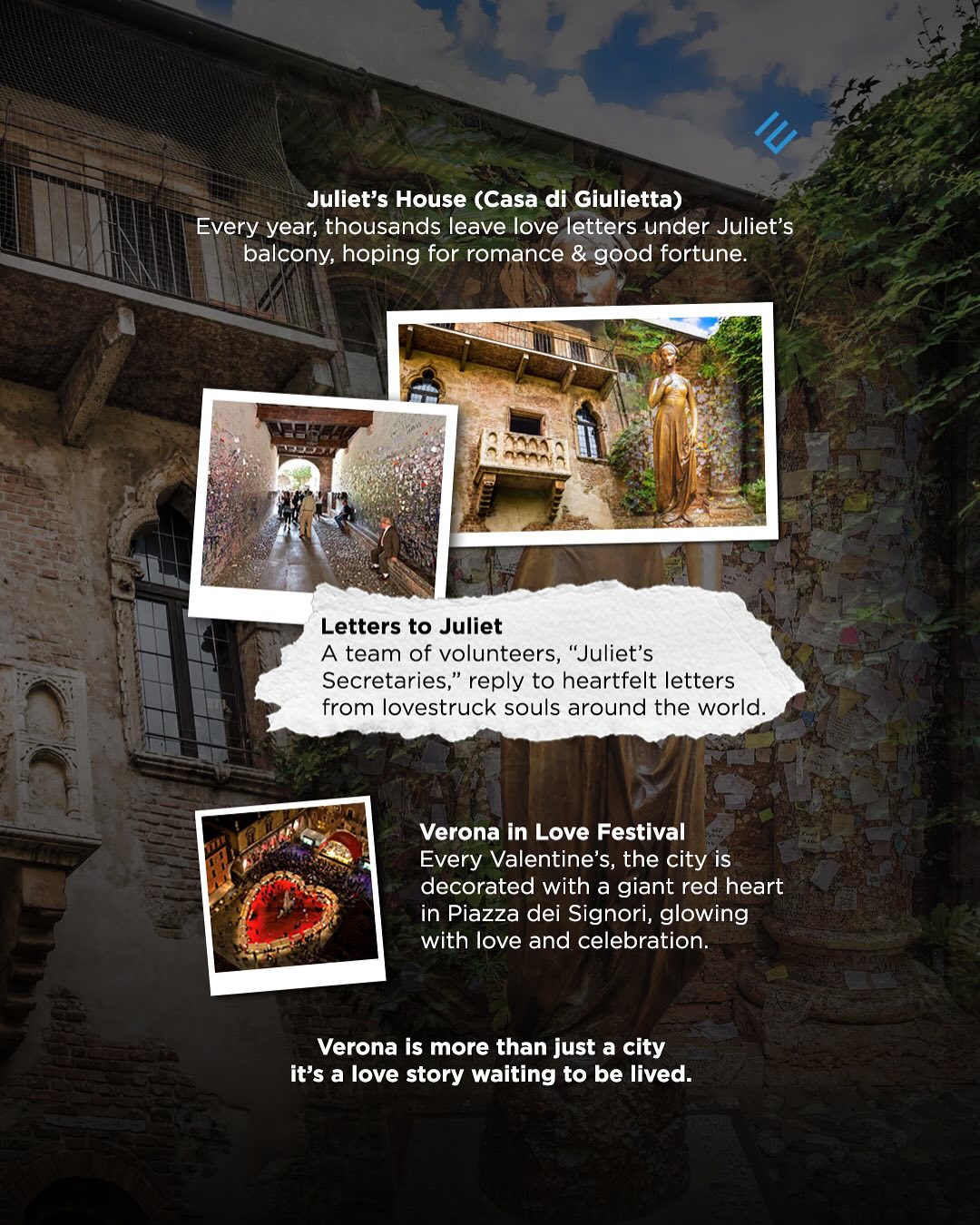
From Juliet’s famous balcony to love letters sent from every corner of the world, Verona has long been celebrated as a symbol of timeless romance. This enchanting city in northern Italy is not just the setting of a legendary love story—it is a place where romance is woven into daily life, architecture, and tradition.

Every year, especially around Valentine’s Day, Verona transforms into a glowing tribute to love. A giant red heart lights up Piazza dei Signori, streets fill with soft lights and music, and couples from around the world arrive to celebrate love in all its forms. In Verona, romance isn’t performed—it’s felt.

Verona - Where Love Stories

The City That Inspired the World’s Greatest Love Story

Verona’s romantic identity is inseparable from Shakespeare’s Romeo and Juliet. Though the tale itself is fictional, the city embraced the story so deeply that it became part of its soul. Walking through Verona’s old town feels like stepping into a narrative shaped by passion, fate, and devotion.

At the heart of this story stands Juliet’s House, home to the famous balcony that has become one of the most iconic symbols of love in the world. Visitors gather beneath it, gazing upward, imagining whispered vows and secret meetings. Whether or not the story is real hardly matters—what matters is the emotion it evokes.

Verona understands that romance lives in imagination as much as in history.

Love Letters from Around the World

Inside Juliet’s House, walls are covered with handwritten notes—messages of hope, longing, gratitude, and love written in dozens of languages. Every year, thousands of letters addressed simply to “Juliet, Verona” arrive from people seeking advice, comfort, or a blessing for their relationships.

These letters are answered by volunteers known as the Secretaries of Juliet, keeping alive a tradition that turns Verona into a place of emotional exchange. This simple act—writing to Juliet—connects strangers across cultures, proving that love remains one of humanity’s most universal languages.

In few places does romance feel so collective, so shared.

Valentine’s Day - When Verona Truly Glows

While Verona is romantic year-round, Valentine’s season elevates the atmosphere to something magical. The city hosts celebrations that blend history, art, and emotion, turning streets and squares into open-air expressions of love.

At the center of it all is Piazza dei Signori, where a giant illuminated red heart becomes the city’s most photographed symbol during Valentine’s. Surrounded by medieval buildings and softly glowing lights, the square feels intimate and cinematic—perfect for evening strolls and quiet moments together.

Concerts, exhibitions, themed menus, and special events unfold across the city, making Valentine’s in Verona feel warm, elegant, and deeply personal rather than crowded or commercial.

A City Made for Slow Romance

Verona’s charm lies in its scale and rhythm. Unlike larger Italian cities, Verona feels approachable and calm. Its historic center is compact, walkable, and filled with narrow streets that invite wandering without a plan.

Couples stroll hand in hand along the Adige River, pause in small piazzas, or sit quietly at cafés tucked into centuries-old buildings. The pace is unhurried, allowing moments to unfold naturally. In Verona, romance is not rushed—it’s savored.

This slower rhythm makes Verona ideal for a romantic escape, whether for a weekend or a longer stay.

Beyond Juliet - Layers of History and Beauty

While love may be the city’s most famous theme, Verona offers far more than its literary legacy. Roman, medieval, and Renaissance influences coexist throughout the city, adding depth to its romantic appeal.

The Verona Arena, a remarkably preserved Roman amphitheater, stands as a testament to the city’s ancient roots. Today, it hosts concerts and operas under the open sky—an experience that feels inherently romantic, especially on warm evenings.

Elsewhere, bridges arch gracefully over the river, pastel façades glow at sunset, and quiet courtyards offer moments of solitude amid history. Verona feels lived-in, not staged—a city where romance is part of everyday life.

Evenings That Feel Like Poetry

As daylight fades, Verona becomes especially enchanting. Golden light washes over stone walls, lanterns illuminate narrow streets, and the city takes on a softer, more intimate tone. Restaurants glow warmly, offering candlelit dinners featuring local wines and northern Italian cuisine.

Night walks in Verona feel poetic. Without the rush of crowds, couples can linger on bridges, listen to distant music, and feel as though the city exists just for them. These are the moments that transform a trip into a memory.

Why Verona Is the Perfect Romantic Destination

Verona’s power lies not in grand gestures, but in atmosphere. It offers romance without spectacle, emotion without excess, and beauty without noise.

What makes Verona unforgettable:

  • A legendary love story embraced by the city

  • Iconic romantic landmarks like Juliet’s balcony

  • Valentine’s celebrations filled with warmth and symbolism

  • Walkable streets perfect for slow exploration

  • A blend of history, culture, and intimacy

It’s a destination that appeals not only to couples, but to anyone who believes in love as an experience worth honoring.

A Place That Makes Love Feel Timeless

In Verona, love feels less like a fleeting emotion and more like something enduring—etched into stone, echoed in letters, and celebrated year after year. The city reminds visitors that romance doesn’t need extravagance. It needs presence, intention, and a place that understands its power.

Whether you’re celebrating an anniversary, planning a Valentine’s getaway, or simply dreaming of a romantic escape, Verona offers a setting where love feels natural and unforced.

Would You Visit Verona for a Romantic Escape?

Verona doesn’t ask you to believe in fairy tales.
It simply invites you to feel them.

💌✨ Would you visit Verona for a romantic escape?
Because in this city, love is not just remembered—it’s alive, glowing softly in every street, every letter, and every shared moment.

Thoughtfully Designed Journeys, Just for You

Start planning your thoughtfully designed journey with Axcell Travel Destination.

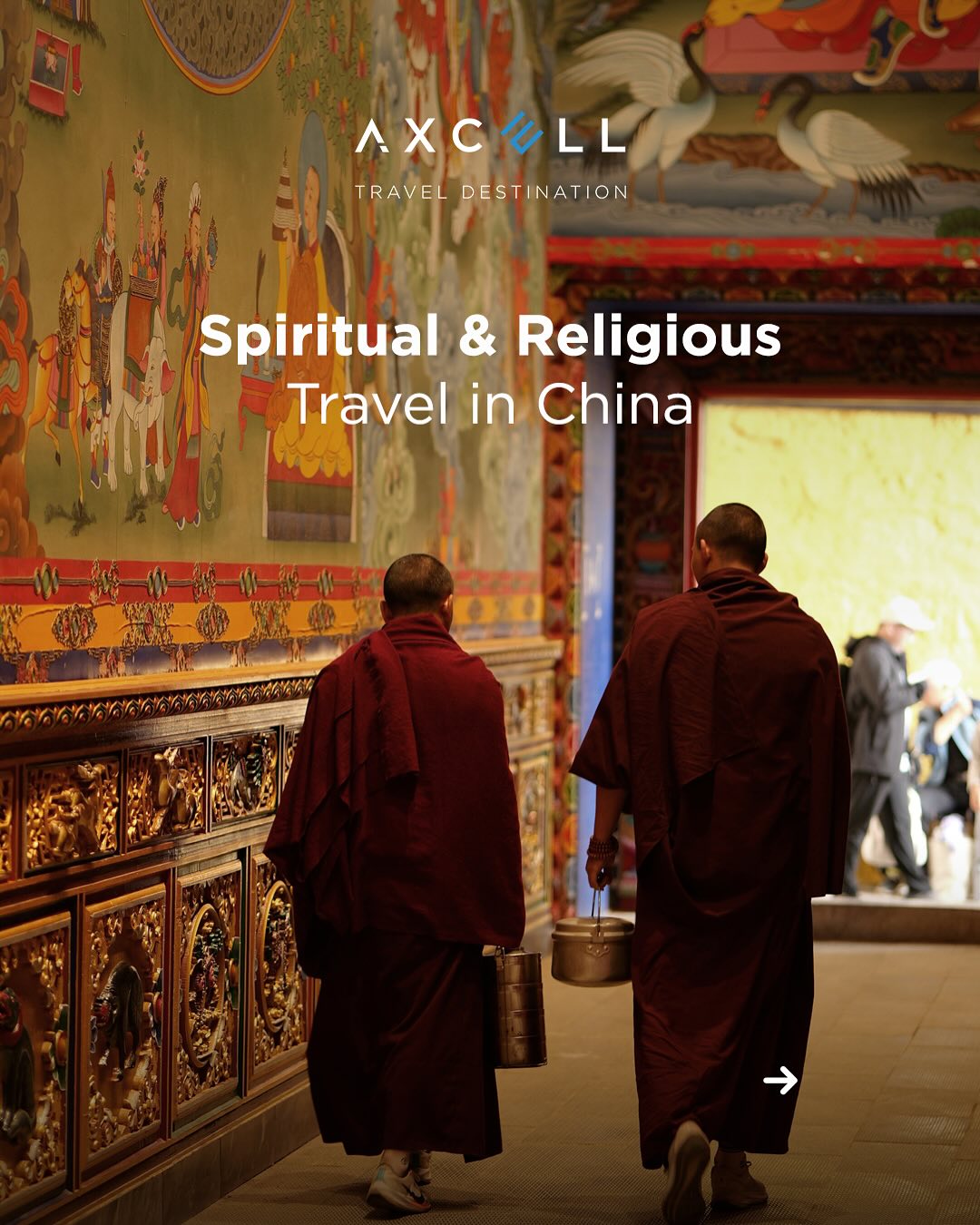
Spiritual & Religious – Travel in China

Exploring China’s Sacred Sites - A Journey into History, Spirituality, and Inner Peace

China is home to some of the world’s oldest civilizations, and with that history comes a profound spiritual heritage. Scattered across vast landscapes—from misty mountains to quiet forested valleys—are ancient temples, sacred peaks, and pilgrimage routes that have guided seekers for centuries. These places are not simply historical landmarks. They are living spiritual centers where faith, philosophy, and nature exist in deep harmony.

Whether you are seeking peace, cultural understanding, or a journey that feels meaningful beyond sightseeing, China’s sacred sites offer experiences that are both grounding and transformative. Let’s explore some of the destinations that make spiritual travel in China so powerful—and unforgettable.

Spiritual & Religious - Travel in China

Spirituality Woven into the Landscape

In Chinese tradition, spirituality is inseparable from nature. Mountains are not just physical formations; they are bridges between heaven and earth. Temples are not isolated structures; they are integrated into landscapes chosen for balance, energy, and harmony.

This worldview is shaped by Buddhism, Taoism, and Confucianism—philosophies that emphasize balance, self-cultivation, and respect for the natural world. Traveling through China’s sacred sites allows visitors to witness how these ideas are expressed not only in texts, but in architecture, rituals, and daily life.

Here, spirituality is not hidden behind walls. It is lived openly and quietly.

Mount Emei - A Sacred Buddhist Mountain

One of the most revered spiritual destinations in China is Mount Emei. Rising through layers of cloud and forest, Mount Emei has been a center of Buddhist practice for over 2,000 years. Pilgrims ascend its slopes through winding stone paths, passing temples, waterfalls, and ancient trees along the way.

At the summit, golden light often breaks through the mist, revealing breathtaking views that feel almost otherworldly. The journey itself is as meaningful as the destination. Each step becomes a form of meditation, encouraging patience, reflection, and humility.

Mount Emei is not about speed or achievement. It is about presence.

Shaolin Temple - Where Discipline Meets Enlightenment

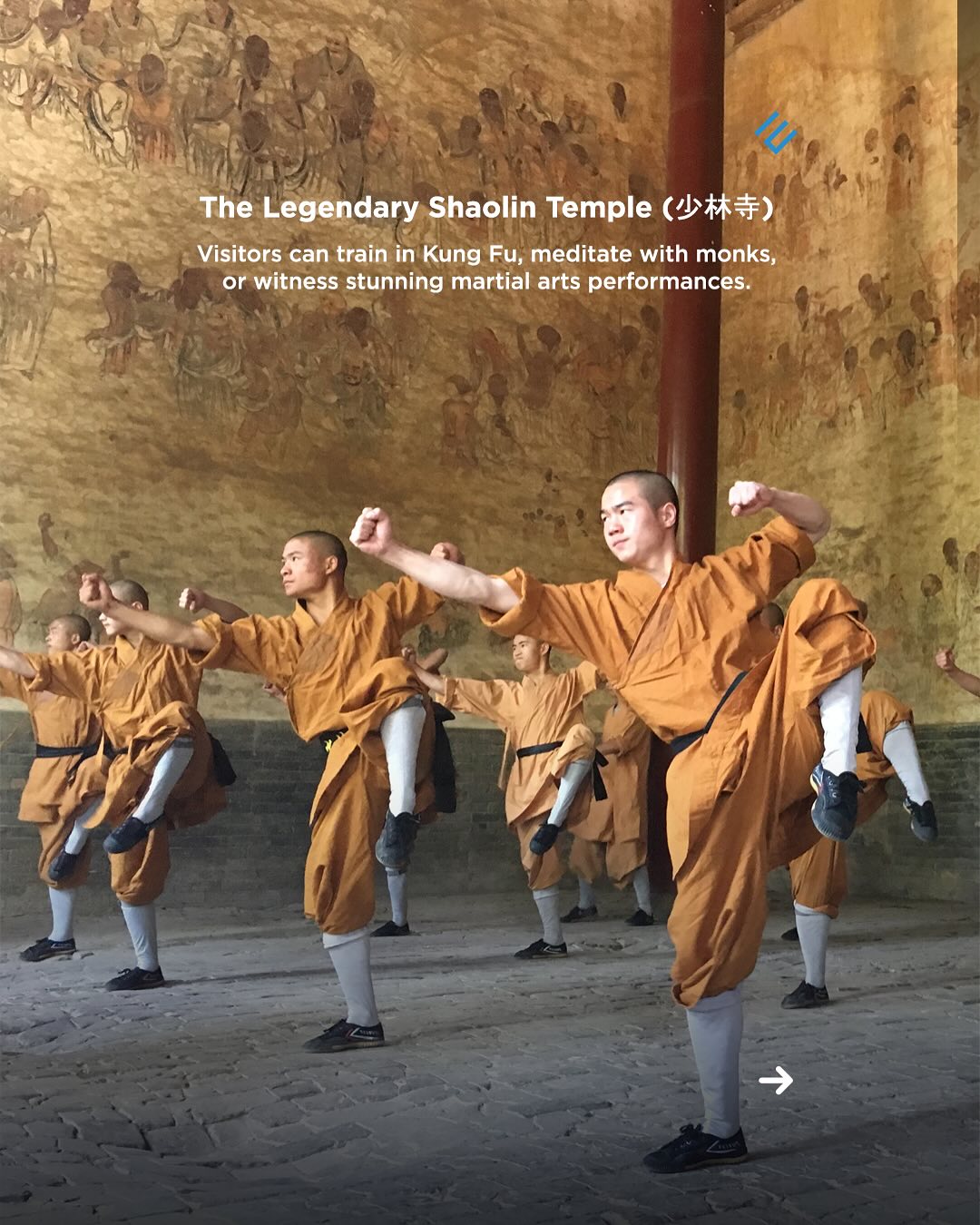
In central China lies Shaolin Temple, one of the most famous temples in the world. Known as the birthplace of Shaolin Kung Fu, this monastery represents a unique blend of physical discipline and spiritual practice.

Shaolin monks believe that cultivating the body and the mind are inseparable. Training, meditation, and daily rituals are all part of a holistic path toward enlightenment. Visiting Shaolin Temple offers insight into how movement itself can become a spiritual practice—focused, intentional, and deeply rooted in self-awareness.

Walking through the temple grounds, surrounded by ancient halls and forested hills, visitors feel the quiet strength of a tradition that has endured for centuries.

Wudang Mountains - The Heart of Taoism

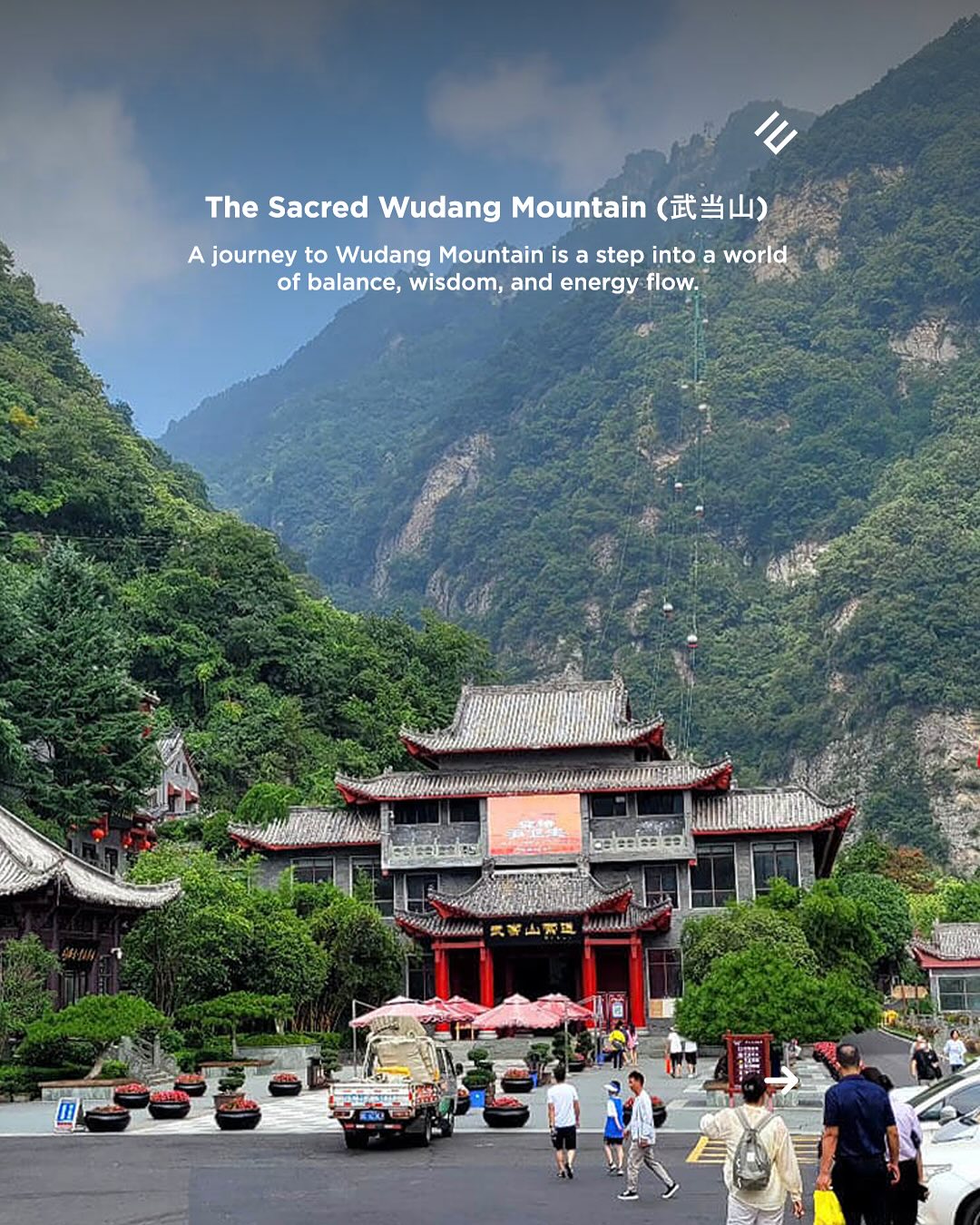
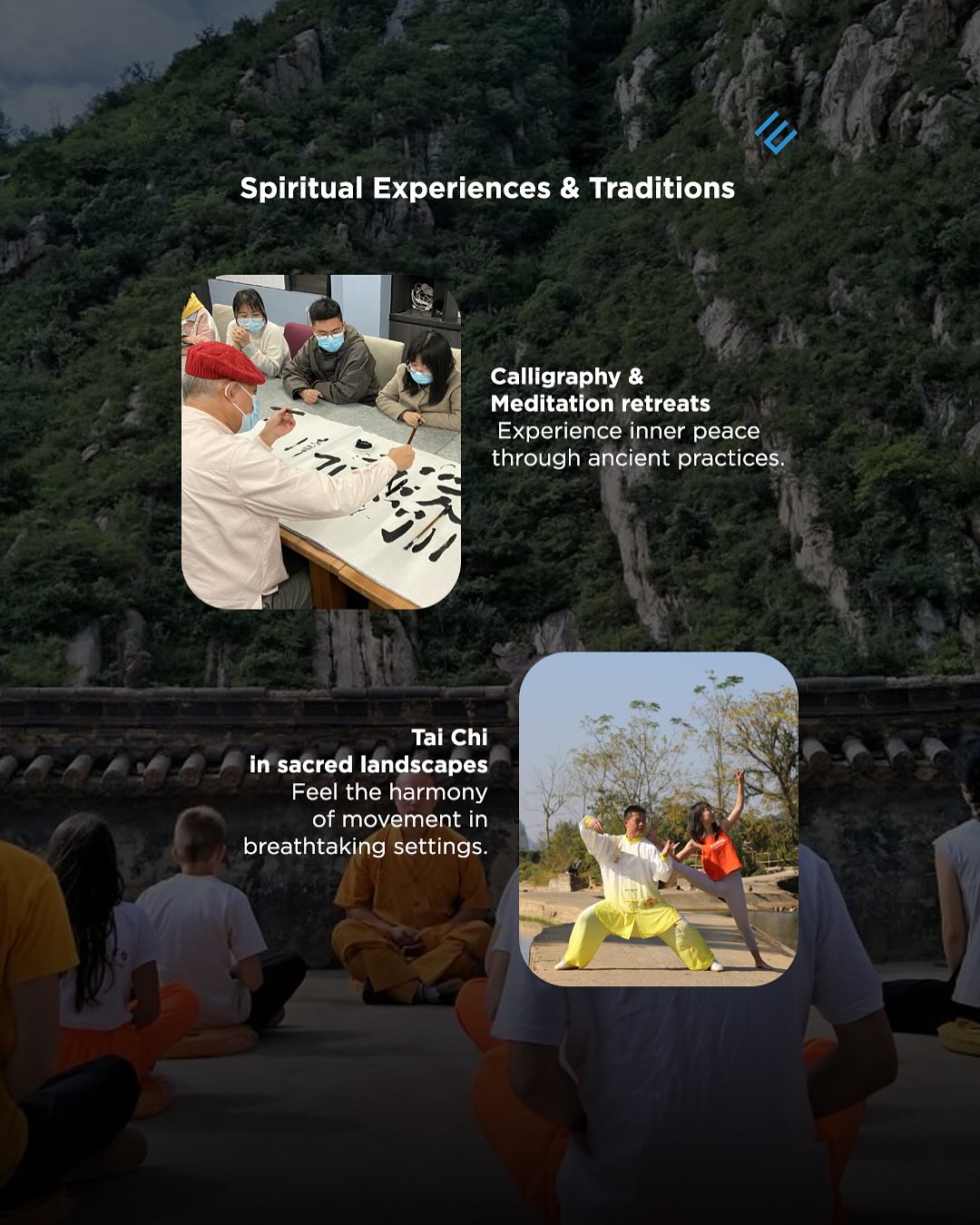
For those drawn to Taoist philosophy, the Wudang Mountains hold immense significance. Often associated with balance, flow, and harmony, Wudang is considered the spiritual home of Taoism and the birthplace of internal martial arts such as Tai Chi.

Temples cling to cliffs and ridges, seemingly suspended between earth and sky. The architecture reflects Taoist principles—simple yet powerful, integrated seamlessly into the landscape. Walking through Wudang feels calm and contemplative, encouraging travelers to slow down and move in rhythm with their surroundings.

Here, spirituality feels gentle rather than grand, inviting inward reflection rather than outward display.

Mount Wutai - A Center of Buddhist Pilgrimage

Another deeply significant destination is Mount Wutai, one of the Four Sacred Mountains of Chinese Buddhism. Known for its numerous monasteries and strong spiritual atmosphere, Mount Wutai has attracted pilgrims from across Asia for centuries.

The mountain’s cool climate, rolling plateaus, and temple-filled valleys create an environment ideal for contemplation. Monks chant softly, prayer flags flutter in the wind, and visitors move quietly through courtyards filled with incense.

Mount Wutai offers a sense of continuity—a reminder that spiritual traditions can endure across generations without losing their essence.

Temples as Living Spaces

What sets China’s sacred sites apart is that they are not frozen in time. Monks still pray, pilgrims still walk ancient paths, and rituals continue as they have for centuries. Visitors are not simply observers; they are guests in living spiritual communities.

This living aspect adds depth to the experience. You don’t just learn about beliefs—you witness them in action. The sound of chanting at dawn, the rhythm of temple bells, and the quiet discipline of daily routines all contribute to an atmosphere that feels authentic and deeply human.

A Different Kind of Travel

Traveling to China’s sacred sites is not about checking landmarks off a list. It is about slowing down. Days are shaped by walking, listening, and observing rather than rushing. Many travelers find themselves reflecting more deeply—on life, priorities, and inner balance.

These journeys often appeal to those seeking:

  • Spiritual or mindfulness retreats

  • Cultural immersion rooted in history and philosophy

  • Nature-based experiences with deeper meaning

  • A break from fast-paced, surface-level travel

In these places, silence is not empty. It is full.

Why Spiritual Travel in China Feels Profound

China’s sacred destinations offer something rare in modern travel: continuity. The same paths walked by pilgrims centuries ago are still walked today. The same teachings continue to guide daily life. The mountains remain, patient and enduring.

This continuity creates a powerful sense of connection—not just to a place, but to humanity’s long search for meaning. Travelers often leave with a quieter mind, a broader perspective, and memories that feel less like photographs and more like insights.

Is This the Journey for You?

If you are drawn to travel that nourishes the mind as much as the senses, China’s sacred sites may resonate deeply. These destinations do not demand belief. They invite curiosity, respect, and openness.

You may arrive seeking history, culture, or scenery—but many leave having found something less expected: stillness.

Would You Visit China’s Sacred Sites?

China’s temples and sacred mountains remind us that travel can be more than movement—it can be transformation.

Would you visit China’s sacred sites for a spiritual retreat?

Tag a friend who would love this journey, and start imagining a trip where history, culture, and inner peace come together in one unforgettable experience.

Thoughtfully Designed Journeys, Just for You

Start planning your thoughtfully designed journey with Axcell Travel Destination.

Wae Rebo – Hiddem Gem in Indonesia

Ever Dreamed of Waking Up Above the Clouds?

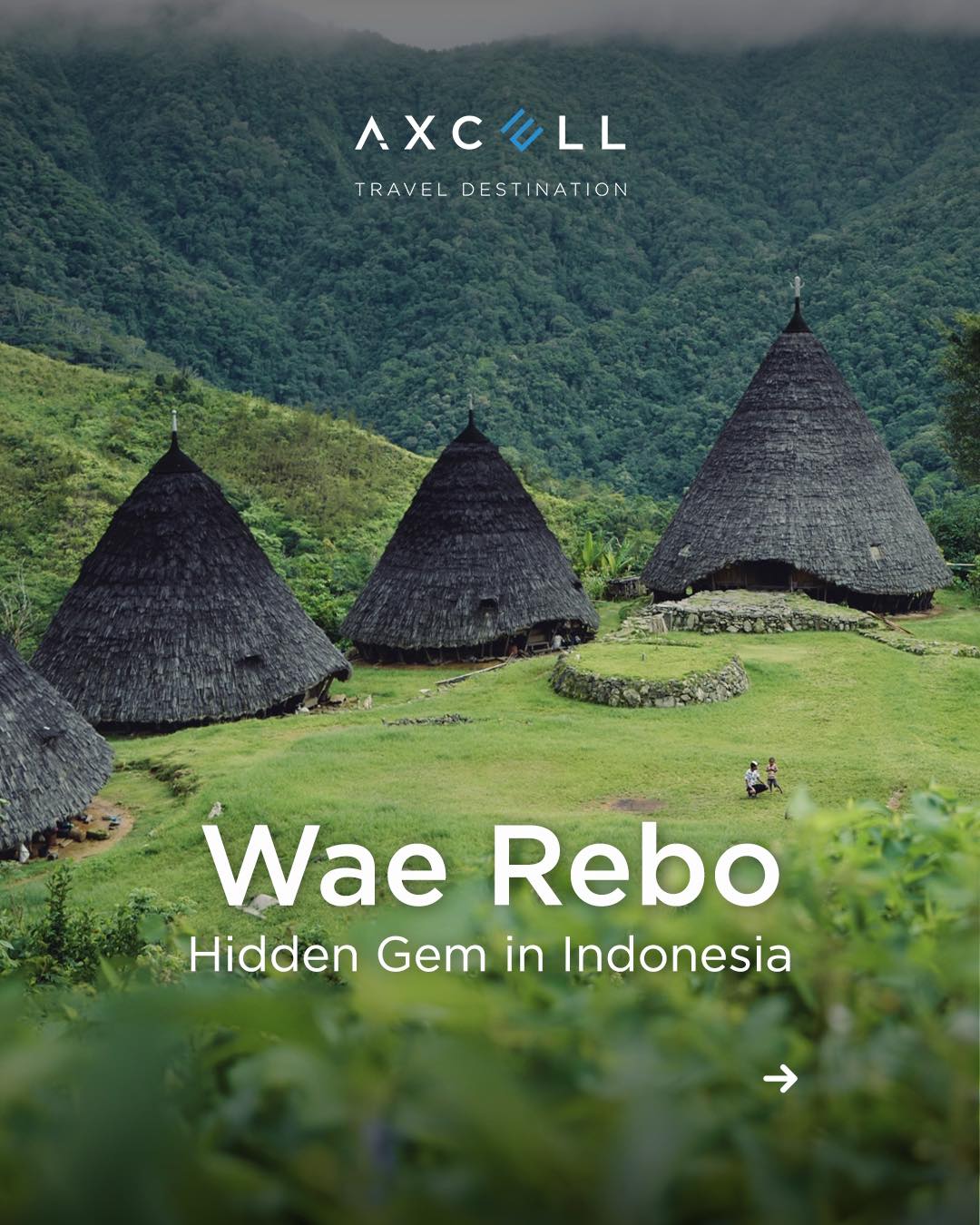
Wae Rebo, a hidden mountain village where time slows and traditions endure. Ever dreamed of waking up above the clouds—where mist drifts past your window, roosters echo across a green valley, and the day begins in quiet harmony with nature? Hidden deep in the mountains of Flores, Wae Rebo is a magical village that feels suspended between earth and sky. Often wrapped in soft fog, this remote settlement offers travelers a rare chance to step into a living culture shaped by patience, respect, and balance with the land.

Wae Rebo isn’t a place you stumble upon. It’s a destination you earn—and that effort is part of its magic.

Wae Rebo
Wae Rebo
A City That Defies Time

Built in the 15th century and hidden from the outside world for centuries, Machu Picchu remains one of humanity’s most remarkable achievements. Its exact purpose is still debated, adding to its mystique. Was it a royal estate, a ceremonial center, an astronomical observatory—or all of these at once?

What is certain is the precision. Stone blocks fit together so perfectly that even today, centuries after construction, the structures remain remarkably intact. Without mortar, wheels, or modern tools, the builders shaped and positioned massive stones with astonishing accuracy—creating architecture designed to endure earthquakes, storms, and time itself.

Walking through Machu Picchu, you don’t just see ruins; you witness mastery.

A Village Lost in Time—and Found in the Mountains

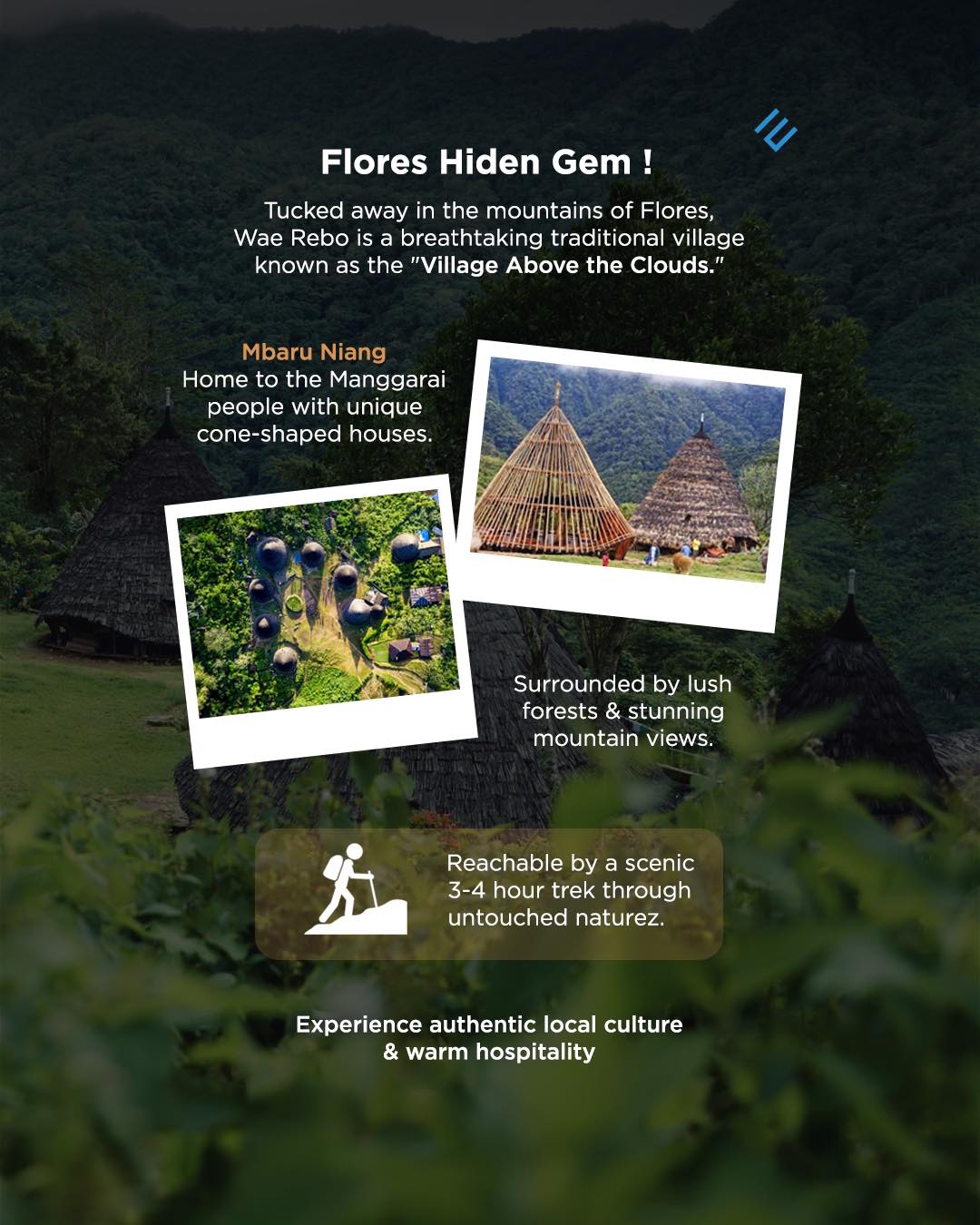
Perched at around 1,200 meters above sea level, Wae Rebo sits in a natural bowl surrounded by forested ridges. From afar, its cluster of iconic cone-shaped houses—known locally as Mbaru Niang—appears almost unreal, like something imagined rather than built. Yet these structures are very real, and they represent generations of knowledge passed down through careful tradition.

Life here follows a rhythm dictated by nature. Days begin with the sound of the forest and end beneath a sky filled with stars. There are no busy streets, no traffic, and no rush. Instead, Wae Rebo invites visitors to slow down—to listen, observe, and participate respectfully in daily village life.

The People and Their Living Heritage

Wae Rebo is home to a close-knit community whose customs have been preserved for centuries. Their traditions are not performances; they are lived experiences. From communal meals to ceremonial gatherings, every aspect of village life reflects shared values of cooperation, gratitude, and harmony.

The Mbaru Niang houses themselves are symbols of this unity. Each structure is multi-level, designed to shelter families, store harvests, and host rituals under one roof. Built from natural materials and maintained collectively, these homes demonstrate architectural wisdom perfectly adapted to the mountain climate.

Staying overnight in Wae Rebo means sleeping inside one of these traditional houses—an experience that feels both humbling and deeply personal.

A Journey That Tests—and Rewards

Getting to Wae Rebo is not easy, and that’s precisely why it remains so special. The journey begins with a 3–4 hour trek through dense forest, rolling hills, and misty trails. The path winds steadily upward, sometimes steep, sometimes gentle, always immersive.

Along the way, the forest reveals itself in layers: towering trees, birdsong, and glimpses of distant valleys through breaks in the canopy. As you walk, modern life falls away. There is no signal, no noise—only the steady rhythm of footsteps and breath.

When the village finally appears through the mist, the reward is immediate and emotional. Many travelers describe the moment as surreal—like stepping into a dream you didn’t realize you were chasing.

Waking Up Above the Clouds

Morning in Wae Rebo is unforgettable. As dawn breaks, clouds often drift through the valley, wrapping the village in soft white silence. Smoke rises gently from kitchen fires, and villagers begin their day with calm purpose.

This is where the phrase “waking up above the clouds” becomes literal. Looking out from the village, you see nothing but sky and green peaks, as if the world below has disappeared. It’s a powerful reminder of how small—and how connected—we are to nature.

Moments like this stay with you long after you leave.

Respectful Travel, Meaningful Connection

Wae Rebo welcomes visitors, but it does so on its own terms. Guests are invited to follow local customs, participate respectfully, and approach the experience with humility. This isn’t about luxury or convenience; it’s about connection.

Meals are shared, stories are exchanged, and evenings are spent together under a single roof. Without distractions, conversations deepen. You learn not just about the village, but about yourself—how you respond to simplicity, silence, and community.

This kind of travel doesn’t just show you a place. It changes how you see the world.

Why Wae Rebo Feels So Rare

In an age of easy access and fast itineraries, Wae Rebo stands apart. Its remoteness protects it. The trek filters visitors, ensuring that those who arrive do so with intention. The result is an experience that feels authentic, unhurried, and profoundly human.

What makes Wae Rebo unforgettable:

  • A mountaintop village often wrapped in clouds

  • Iconic cone-shaped houses built by hand

  • A demanding but rewarding trek through pristine forest

  • Living traditions practiced daily, not staged

  • Deep quiet and a powerful sense of place

This is not a destination for rushing or checking boxes. It’s a destination for being present.

When to Visit and What to Expect

The best time to visit Wae Rebo is during the drier months, when trails are safer and views are clearer—though mist can appear any time, adding to the atmosphere. Prepare for basic accommodations, simple meals, and shared spaces. Comfort here comes from warmth, welcome, and community rather than amenities.

Bring good hiking shoes, an open mind, and respect for local customs. What you’ll receive in return is something far more valuable than comfort: perspective.

A Journey That Lingers

Leaving Wae Rebo is often bittersweet. As you descend back through the forest, the village disappears behind ridges and mist, but the experience remains vivid. Travelers carry home memories of quiet mornings, shared laughter, and the feeling of having touched something genuine.

Wae Rebo doesn’t shout for attention. It whispers—and those who listen are rewarded.

Would You Take the Journey?

If you’ve ever dreamed of waking up above the clouds, of trading convenience for connection, and of discovering a place where time truly slows, Wae Rebo may be calling.

Would you take the journey to this hidden paradise?
Let us know—because some destinations aren’t just visited.
They’re felt, step by step, all the way to the clouds.

Thoughtfully Designed Journeys, Just for You
Start planning your thoughtfully designed journey with Axcell Travel Destination.
Europe's Silent City

Europe’s Silent City – Mdina, Malta

Mdina - The Silent City of Malta, Where History Whispers Through Stone

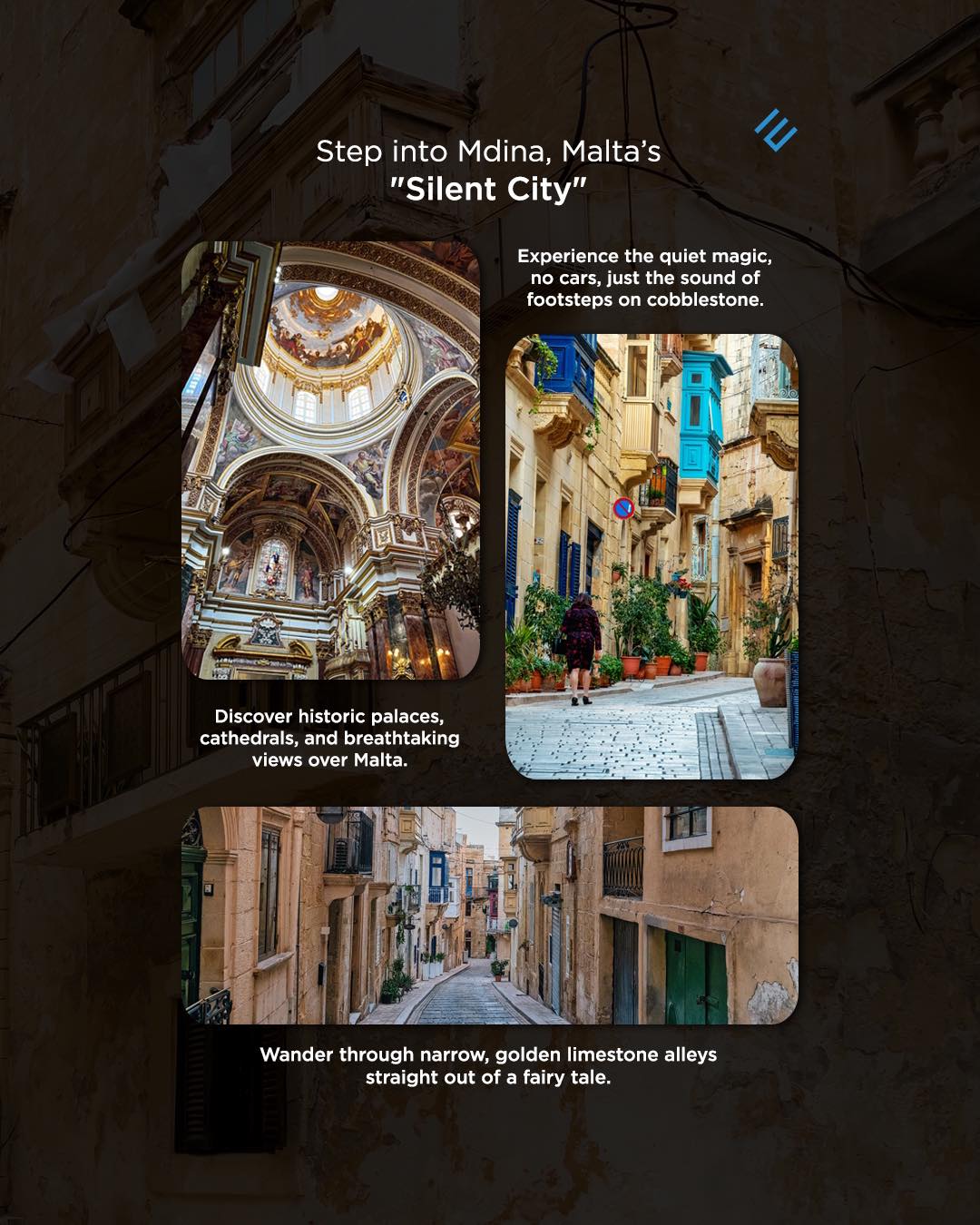
Tucked away in the heart of Malta, Mdina is a city unlike any other. With no traffic, no modern noise, and no rush, Mdina feels suspended in time—an enclosed world of golden limestone walls, narrow alleys, and profound silence. Often called The Silent City, Mdina offers travelers something increasingly rare in today’s world: stillness, atmosphere, and deep historical presence.

Visiting Mdina is not about ticking off attractions.
It is about stepping into a mood, a memory, and a story that has been quietly unfolding for centuries.

Europe's Silent City

A City Shaped by Centuries

Mdina’s history stretches back over 4,000 years, making it one of Europe’s oldest continuously inhabited settlements. Founded long before Malta became a crossroads of civilizations, Mdina has been shaped by Phoenicians, Romans, Arabs, Normans, and the Knights of St. John. Each era left its mark—layered not in chaos, but in remarkable harmony.

Once the capital of Malta, Mdina was the island’s political, religious, and cultural center. Its strategic hilltop location offered protection and visibility, while its massive walls symbolized power and permanence. Even after the capital moved to Valletta, Mdina retained its prestige—becoming a city of nobility, faith, and quiet authority.

Walking through Mdina today feels like walking through living history.

Silence as an Experience

What makes Mdina truly extraordinary is its silence. Cars are largely forbidden within the city walls, reserved only for a handful of residents. Without engines, horns, or crowds, sound fades into subtle details—the echo of footsteps on stone, the whisper of wind through narrow streets, the distant toll of church bells.

This absence of noise is not empty.
It is immersive.

The silence sharpens awareness. You notice textures in the walls, patterns in doorways, shadows shifting across archways. Mdina invites travelers to slow down, breathe deeply, and experience place through presence rather than movement.

Streets That Tell Stories

Mdina’s streets are narrow, winding, and intentionally disorienting—a defensive design meant to confuse invaders. Today, they create a sense of mystery and discovery. Every turn reveals something new: a hidden courtyard, a carved stone balcony, a centuries-old door bearing noble family crests.

Golden limestone buildings glow warmly under the Mediterranean sun, giving the city an almost cinematic quality. At night, lanterns cast soft light onto the walls, transforming Mdina into a dreamlike setting that feels more imagined than real.

It’s no surprise Mdina has been used as a filming location for historical dramas and fantasy worlds—its atmosphere is timeless and transportive.

Architecture of Power and Faith

Mdina’s skyline is dominated by the St. Paul’s Cathedral, a masterpiece of Baroque architecture built on the site where, according to tradition, the Roman governor Publius met the Apostle Paul. Inside, ornate details, marble floors, and sacred art reflect the city’s deep religious heritage.

Beyond the cathedral, palaces and grand residences line the streets—once home to Malta’s noble families. Their imposing façades contrast with the quiet life within the walls, reflecting a city built not for trade or noise, but for dignity and contemplation.

Every structure in Mdina feels intentional. Nothing is accidental.

A City Best Explored Slowly

Mdina is not large, but it rewards slow exploration. Sitting on a stone bench, watching light move across ancient walls, can be as meaningful as visiting landmarks. Cafés tucked into old buildings offer peaceful places to pause, sip coffee, and observe the rhythm of the city—or lack of it.

From Mdina’s bastions, panoramic views stretch across Malta’s countryside all the way to the sea. These viewpoints remind visitors of the city’s strategic importance and offer moments of quiet reflection above the island.

Here, time loosens its grip.

Mdina by Day and Night

By day, Mdina glows. Sunlight reflects off limestone, creating warm hues that change with the hour. Tourists arrive, but even at its busiest, Mdina remains calm. Crowds disperse naturally through its maze-like streets, and moments of solitude are always within reach.

By night, Mdina becomes something else entirely. As day visitors leave, silence deepens. Lanterns illuminate empty streets, shadows lengthen, and the city feels deeply personal—almost sacred. Many travelers say that experiencing Mdina at night is the moment they truly fall in love with it.

It feels like the city is revealing itself only to those who stay.

Why Mdina Feels Different

Mdina stands apart because it has resisted modern intrusion. There are no neon signs, no traffic lights, no rush to adapt. Instead, the city preserves a way of being—one rooted in continuity, restraint, and respect for the past.

What makes Mdina unforgettable:

  • A completely car-free historic core

  • Profound silence and calm

  • Layers of history spanning millennia

  • Cinematic medieval architecture

  • An atmosphere that encourages reflection

It is not a place you rush through.
It is a place you absorb.

A Reminder of What Travel Can Be

In a world where travel often feels fast and crowded, Mdina offers a powerful reminder of another kind of journey—one centered on stillness, atmosphere, and depth. It shows that wonder does not always come from scale or spectacle, but from presence.

Mdina teaches travelers that silence can be just as memorable as sound, and that the most meaningful experiences often happen when we slow down enough to notice them.

Would You Visit This Magical Place?

Mdina is not for everyone—and that is precisely its strength. It calls to travelers who value mood over movement, history over hype, and quiet beauty over constant stimulation.

If you’ve ever dreamed of stepping into a medieval world where time seems to pause, where stone walls whisper stories, and where silence becomes part of the experience, Mdina is waiting.

✨🏰 Would you visit this magical place?

Because some cities don’t ask to be explored.
They ask to be felt.

Thoughtfully Designed Journeys, Just for You

Start planning your thoughtfully designed journey with Axcell Travel Destination.

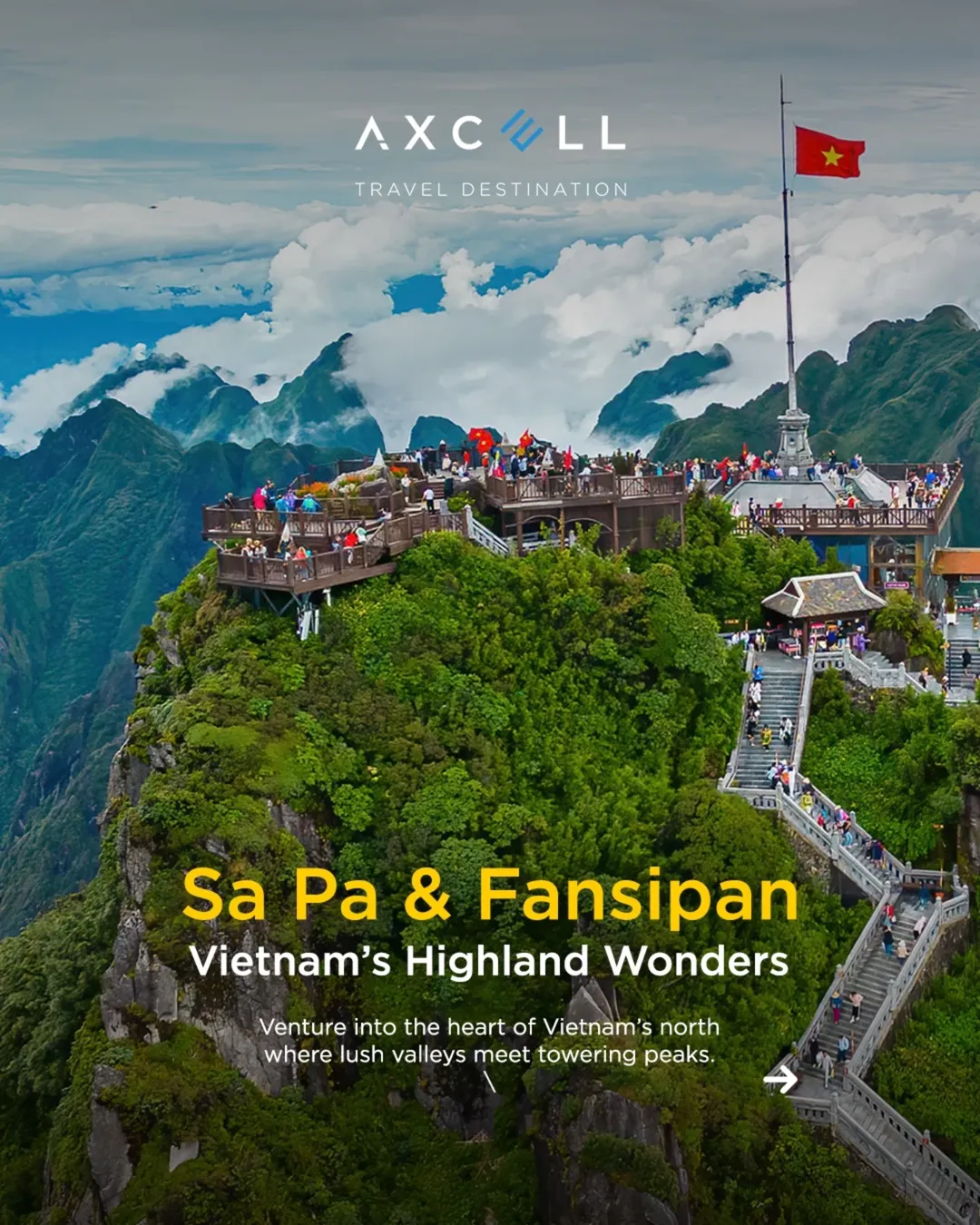
Sa Pa & Fansipan – Vietnam’s Highland Wonders

Discover the Soul of Northern Vietnam

A journey where culture, mountains, and meaning come together

To truly understand Vietnam, you must look beyond its bustling cities and iconic coastlines. Head north, where the land rises dramatically and life moves to an older, more grounded rhythm. Here, misty mountains cradle terraced fields, ancient traditions shape daily life, and the air itself feels lighter and cooler. This is northern Vietnam—a region that blends cultural immersion with high-altitude adventure, offering experiences that linger long after the journey ends.

From the emerald slopes of Sa Pa to the sky-high summit of Fansipan, this journey invites you to explore not just landscapes, but the soul of the highlands.

Sa Pa & Fansipan
Sa Pa & Fansipan
Sa Pa & Fansipan

Sa Pa - Where Mountains and Culture Meet

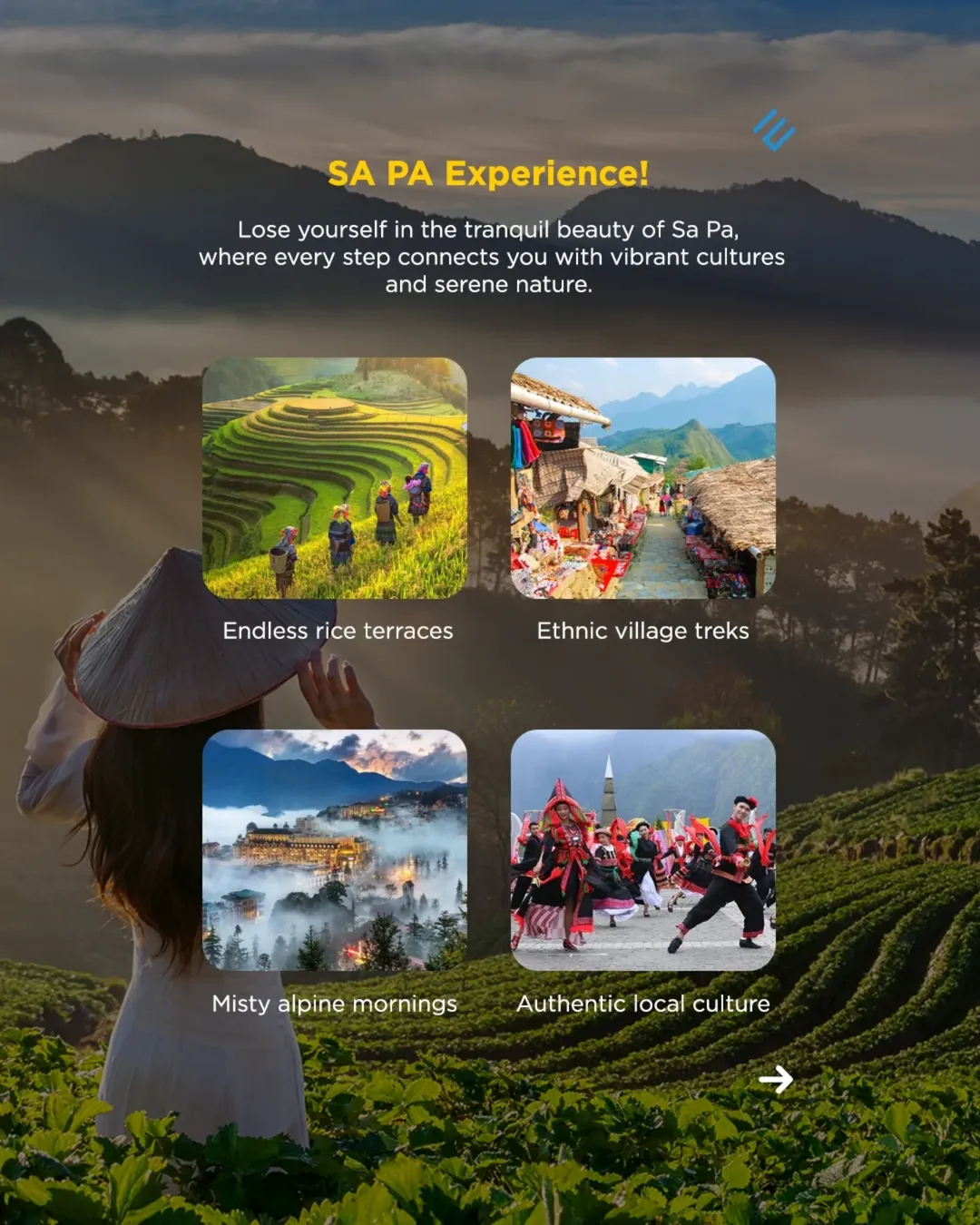
Nestled in the Hoàng Liên Sơn mountain range near the Chinese border, Sa Pa is one of Vietnam’s most captivating destinations. At first glance, its beauty is undeniable—rolling hills carved into intricate rice terraces that glow green in summer and golden during harvest season. But Sa Pa’s true richness lies beyond its scenery.

Walking through Sa Pa is an immersive experience. Trails wind gently through valleys, past cascading fields, bamboo forests, and quiet streams. Each step reveals a slower way of life shaped by the land and seasons. The cool mountain air is refreshing, especially for travelers arriving from warmer parts of Vietnam, making every walk feel restorative.

Meeting Ethnic Minority Communities

What truly defines Sa Pa is its people. The region is home to several ethnic minority groups, including the Hmong, Dao, and Tay communities, each with their own language, customs, and traditional dress. Villages are scattered across the hillsides, connected by footpaths that have been used for generations.

Visiting these communities offers rare insight into a way of life deeply connected to nature. You may see locals working the terraces, weaving textiles by hand, or gathering around communal fires. These encounters are not performances for tourists—they are glimpses into everyday life, rich with resilience, pride, and tradition.

When approached respectfully, cultural exchanges here feel meaningful and personal. Conversations, shared smiles, and moments of quiet observation often become the most memorable parts of the journey.

A Landscape That Changes with the Light

Sa Pa’s beauty is never static. Morning mist drifts through valleys, softening the landscape into layers of green and gray. As the sun rises, terraces emerge one by one, revealing their intricate patterns. By afternoon, clouds roll in again, casting shifting shadows across the mountains.

This ever-changing atmosphere makes Sa Pa feel alive. Whether you’re hiking, photographing, or simply sitting with a cup of tea overlooking the valley, the scenery constantly evolves—inviting you to slow down and stay present.

From Cultural Trails to Alpine Heights

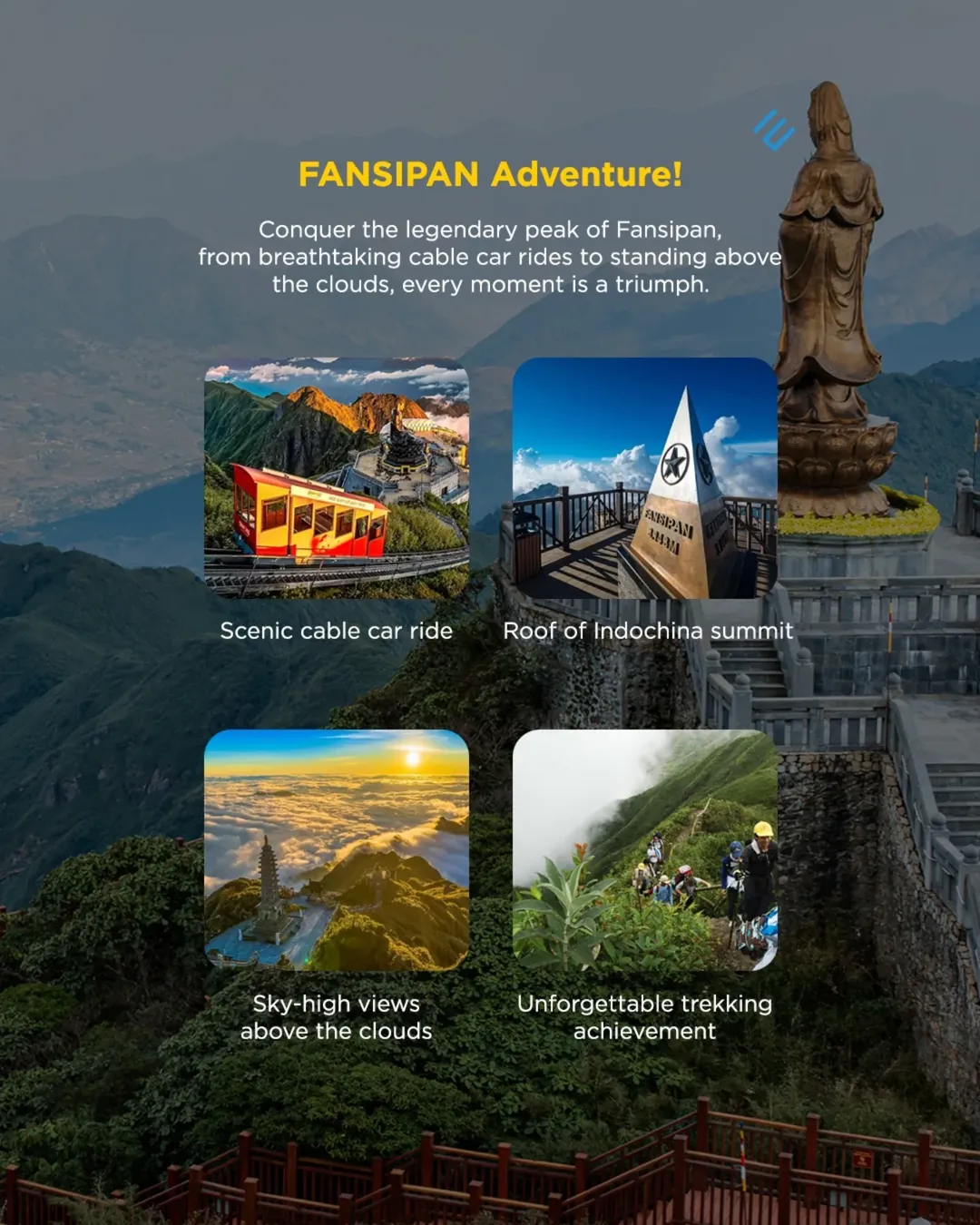
After exploring Sa Pa’s valleys and villages, the journey ascends—both physically and emotionally—to the summit of Fansipan. Known as the “Roof of Indochina,” Fansipan rises to 3,143 meters, making it the highest peak in Vietnam and all of mainland Southeast Asia.

Reaching the top was once reserved for experienced trekkers willing to spend days climbing steep trails. Today, travelers can ascend via one of the world’s most scenic cable car rides, turning the journey into an experience accessible to many—without losing its sense of wonder.

One of the World’s Most Scenic Cable Car Rides

The cable car to Fansipan is an experience in itself. As the cabins glide upward, the world below slowly transforms. Terraced fields shrink into patterns, forests fade into mist, and rugged peaks emerge through the clouds.

The ride offers a rare perspective—one that highlights the scale and raw beauty of northern Vietnam’s highlands. Silence often fills the cabin as travelers take in the view, aware that moments like this are both humbling and unforgettable.

This ascent is not rushed. It is designed to be savored, allowing you to fully absorb the transition from valley life to alpine heights.

Standing Above the Clouds

At the summit of Fansipan, the atmosphere shifts again. The air is thinner, cooler, and incredibly fresh. Clouds drift past temples and stone pathways, sometimes revealing sweeping views, sometimes wrapping everything in quiet mystery.

Standing at the top, you feel a sense of accomplishment—not from effort alone, but from perspective. Below lies a landscape shaped by culture, labor, and tradition. Above is open sky. It’s a moment that invites reflection, gratitude, and awe.

For many travelers, Fansipan becomes more than a viewpoint—it becomes a moment of clarity.

A Journey of Balance and Contrast

What makes this northern Vietnam journey so powerful is its balance. It combines:

  • Human connection through village visits and cultural immersion

  • Natural beauty in rice terraces, valleys, and mountain vistas

  • Adventure and accessibility through scenic trekking and cable car ascents

Few destinations offer such contrast in a single itinerary. One day you’re walking ancient paths through farmland shaped by hand. The next, you’re rising above the clouds toward the highest point in the region.

This balance creates depth. It turns travel into understanding.

Why Northern Vietnam Stays With You

Travelers often leave northern Vietnam with more than photographs. They carry sensations—the chill of mountain air, the rhythm of footsteps on narrow trails, the quiet dignity of village life, the stillness at a cloud-covered summit.

This region encourages travelers to slow down, to observe, and to listen. It rewards curiosity and respect, offering insight into how culture and nature can coexist in harmony.

Let Axcell Travel Craft Your Highland Escape

A journey this rich deserves thoughtful planning. Timing, pacing, route selection, and cultural sensitivity all shape the experience. When done right, the trip feels seamless—allowing you to focus on connection rather than logistics.

Let Axcell Travel Destination craft your perfect northern Vietnam highland escape. From immersive Sa Pa experiences to unforgettable moments atop Fansipan, every detail is designed with care and intention.

📩 DM us or click the link in bio to start planning.

Because discovering the soul of northern Vietnam isn’t about checking destinations off a list—
it’s about walking its paths, meeting its people, and standing still long enough to truly feel it.

Thoughtfully Designed Journeys, Just for You

Start planning your thoughtfully designed journey with Axcell Travel Destination.

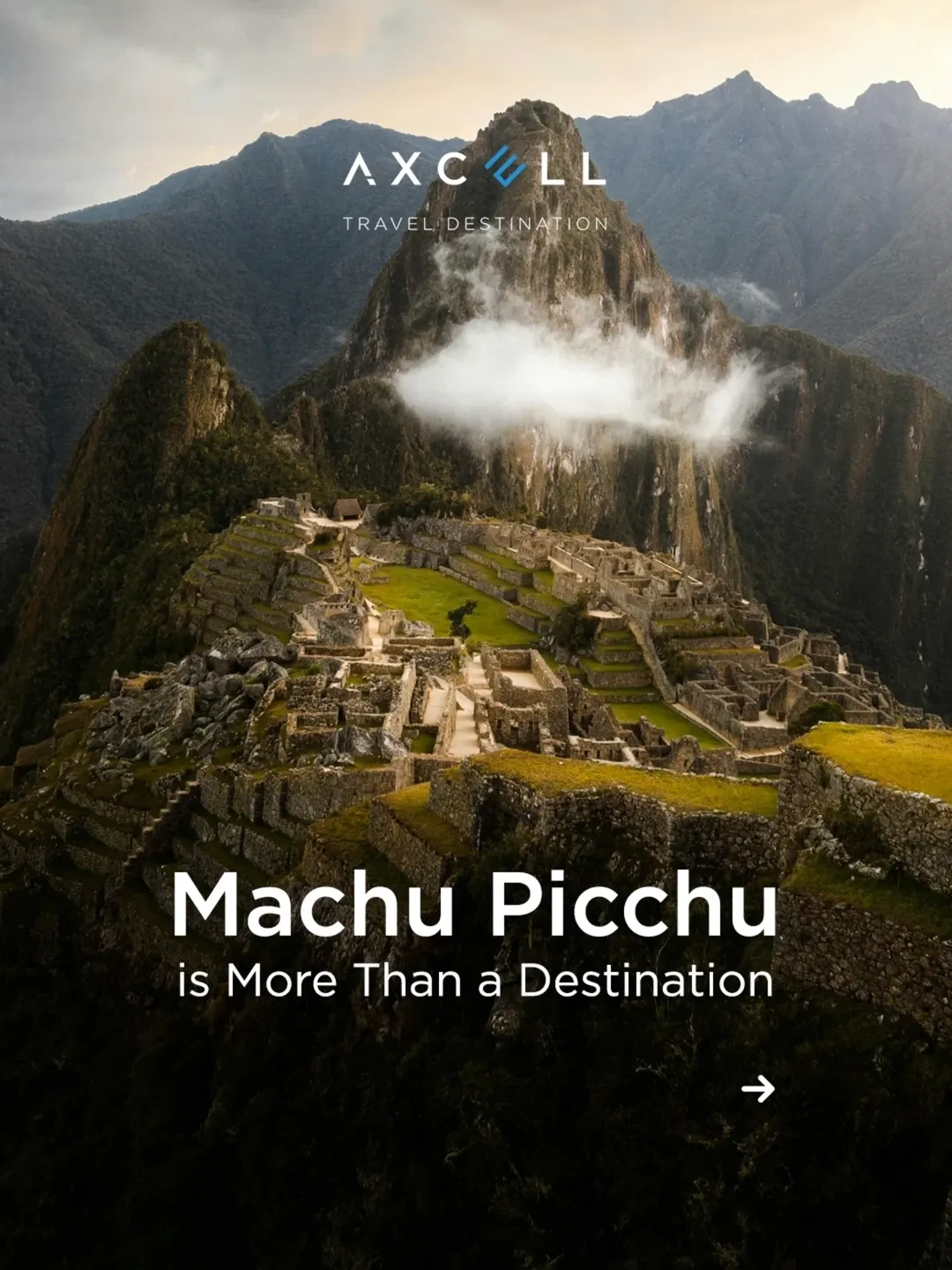
Machu Picchu – is More Than a Destination

Machu Picchu - A Living Story Carved in Stone and Cloud

Where mystery, mastery, and nature exist in perfect harmony

Machu Picchu isn’t just a place—it’s a living story. Suspended between sky and mountain in the Andes of Peru, this ancient citadel feels less like a ruin and more like a conversation across time. Every terrace, temple, and pathway reflects an extraordinary balance between human ingenuity and the natural world.

For many travelers, Machu Picchu is a dream image—a postcard view shrouded in mist at sunrise. But to truly experience it is to move beyond the photograph and step into a layered narrative of mystery, purpose, and profound connection to the land.

Machu Picchu
Machu Picchu
Machu Picchu
Machu Picchu

A City That Defies Time

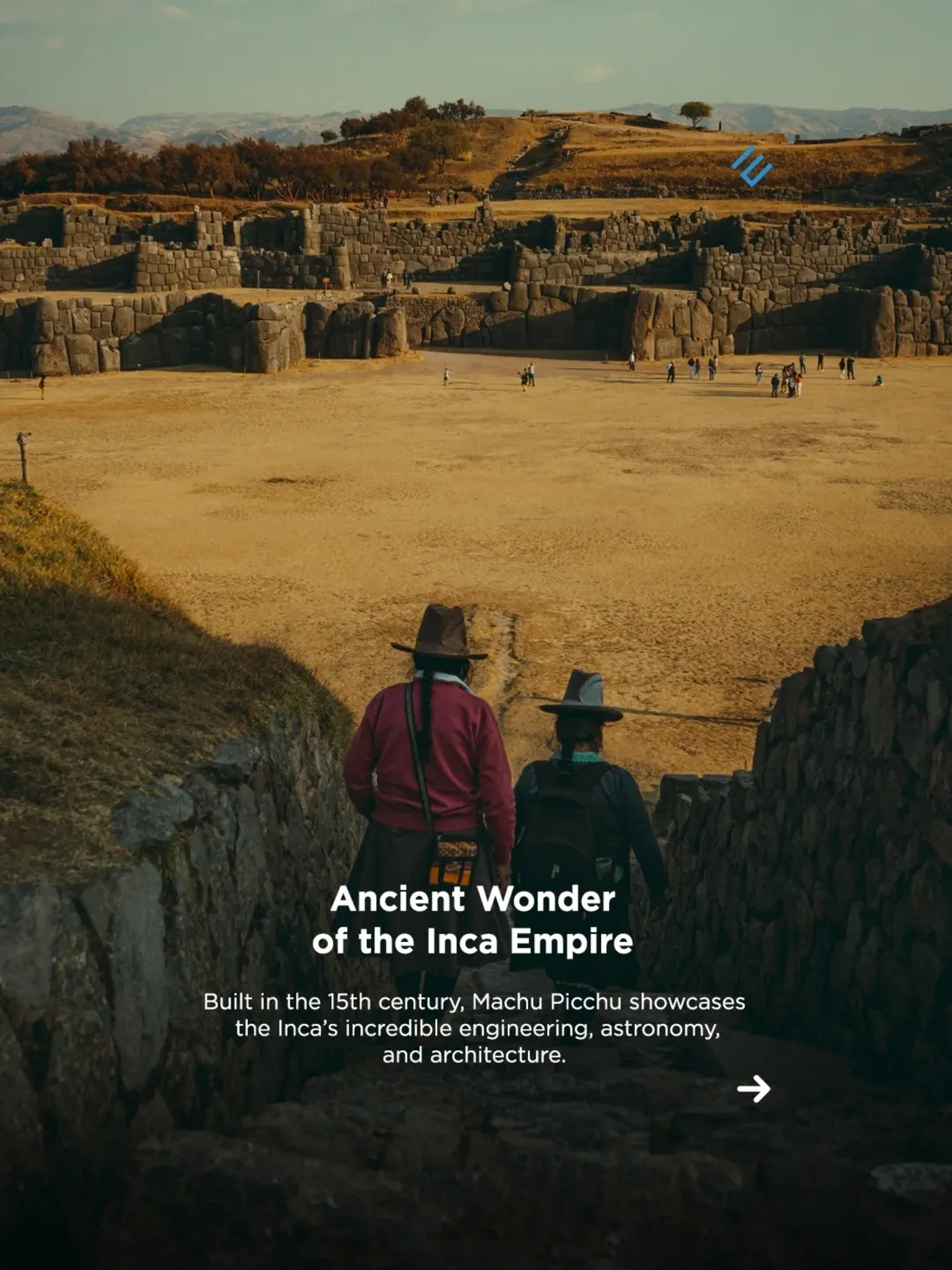
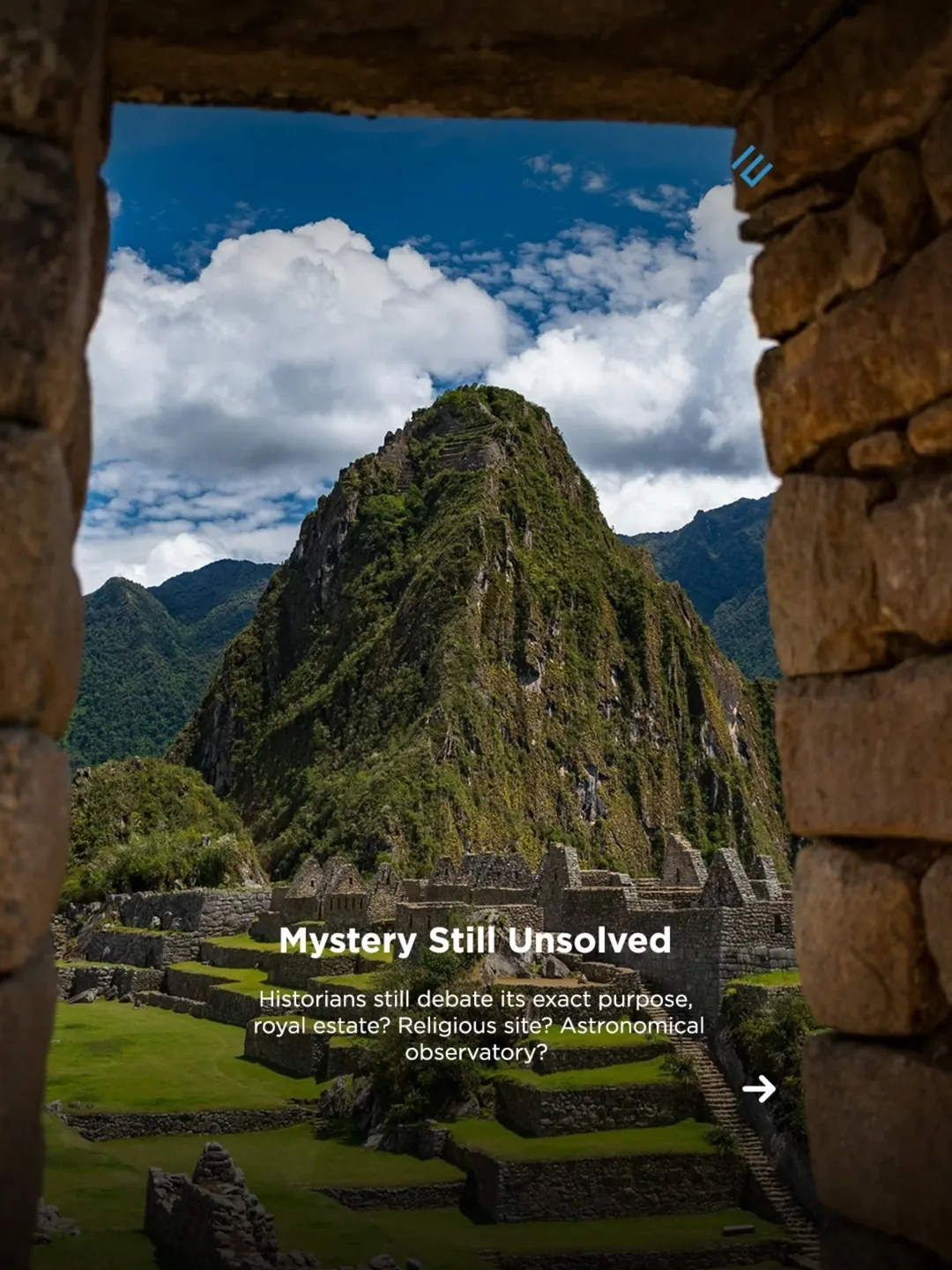
Built in the 15th century and hidden from the outside world for centuries, Machu Picchu remains one of humanity’s most remarkable achievements. Its exact purpose is still debated, adding to its mystique. Was it a royal estate, a ceremonial center, an astronomical observatory—or all of these at once?

What is certain is the precision. Stone blocks fit together so perfectly that even today, centuries after construction, the structures remain remarkably intact. Without mortar, wheels, or modern tools, the builders shaped and positioned massive stones with astonishing accuracy—creating architecture designed to endure earthquakes, storms, and time itself.

Walking through Machu Picchu, you don’t just see ruins; you witness mastery.

Harmony Between Humanity and Nature

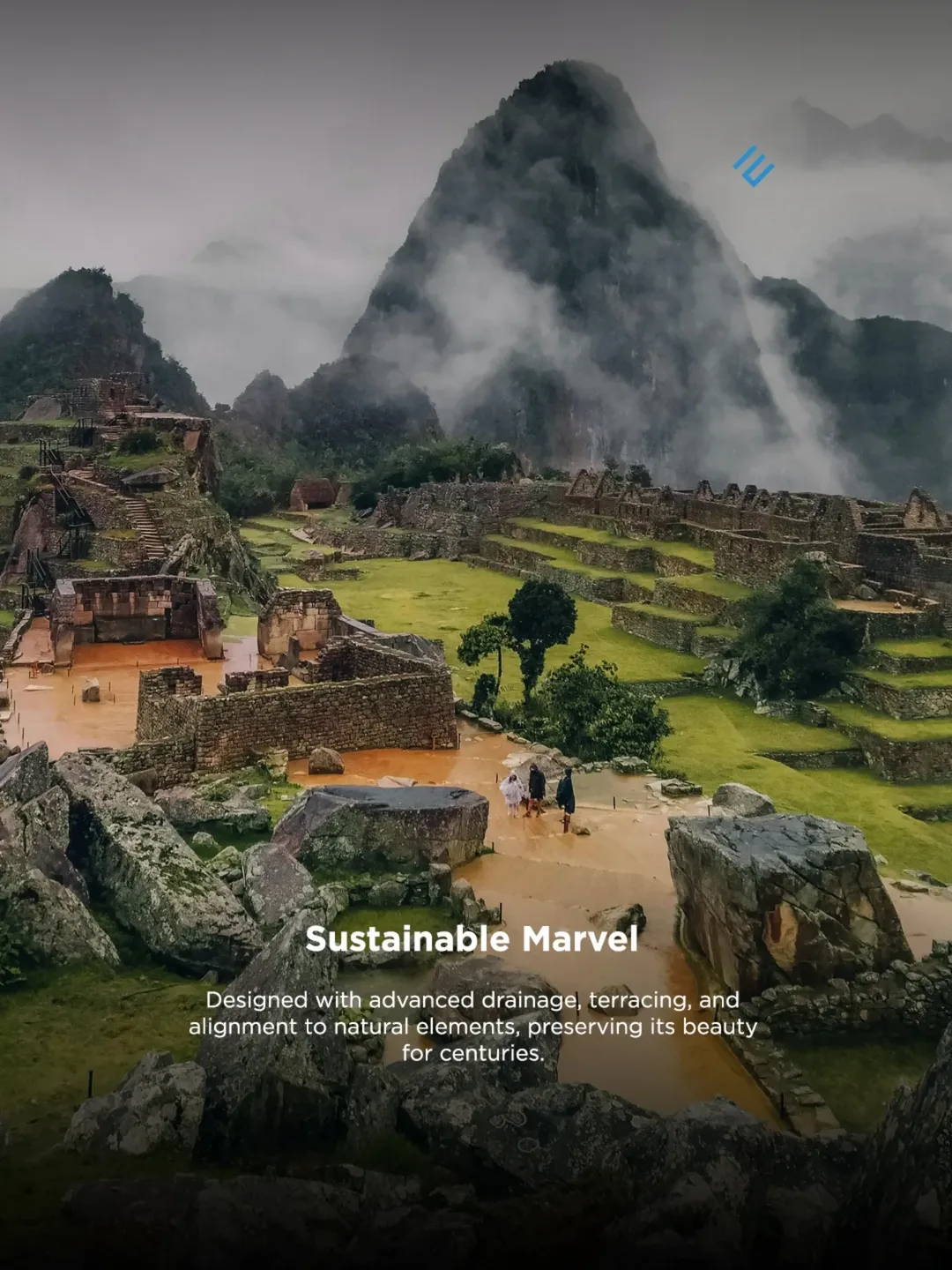
One of the most striking aspects of Machu Picchu is how seamlessly it blends into its surroundings. The city does not dominate the mountain—it follows it. Terraces cascade down steep slopes, stabilizing the land while allowing agriculture to flourish. Buildings align with peaks, valleys, and celestial events, reflecting a worldview deeply rooted in nature.

This harmony wasn’t accidental. It was intentional, philosophical, and spiritual. The people who built Machu Picchu understood that survival depended on respect for the natural world. The result is a site that feels alive—where stone, earth, water, and sky interact in quiet balance.

Even today, clouds roll through the ruins as if the mountain is breathing.

Beyond the Postcard View

Most visitors recognize the classic viewpoint overlooking Machu Picchu, but the site reveals far more to those who explore thoughtfully. Paths wind through residential quarters, sacred temples, and agricultural areas, each telling a different part of the story.

Climbing toward Huayna Picchu offers a dramatic perspective, showing just how daring the site’s location truly is. Exploring quieter corners reveals intimate spaces—places of daily life, ritual, and reflection.

With the right guidance, these details come alive. Suddenly, stone walls are not silent. They speak of beliefs, seasons, astronomy, and a society intricately connected to its environment.

The Journey Matters as Much as the Destination

Reaching Machu Picchu is itself a meaningful experience. Many travelers arrive via the Sacred Valley, passing through villages, rivers, and landscapes that once formed the backbone of an ancient civilization. Others walk sections of the Inca Trail, tracing footsteps laid centuries ago.

These approaches add depth. They contextualize Machu Picchu within a broader world—one shaped by trade routes, agriculture, and spiritual pathways. The anticipation builds slowly, preparing you not just to see the site, but to understand it.

Travel here teaches patience, curiosity, and presence.

A Place of Ongoing Mystery

Despite decades of research, Machu Picchu continues to inspire questions. How was such precision achieved? Why was the city abandoned? How did knowledge of engineering, astronomy, and ecology become so refined?

This sense of mystery is part of Machu Picchu’s power. It invites interpretation rather than providing simple answers. Each visitor brings their own perspective—and leaves with their own understanding.

Rather than diminishing the experience, this uncertainty deepens it. Machu Picchu reminds us that some stories are meant to be explored, not solved.

Why Guided Exploration Makes a Difference

To explore Machu Picchu beyond surface beauty requires insight. Knowledge of history, symbolism, and cultural context transforms a visit into a narrative experience. A guided journey reveals connections between structures, explains alignments with the sun and mountains, and brings clarity to what might otherwise feel overwhelming.

With expert guidance, moments gain meaning. A stone becomes a calendar. A window becomes an astronomical marker. A terrace becomes evidence of agricultural brilliance.

This is how Machu Picchu shifts from being impressive to being unforgettable.

Travel with Intention, Not Just Itineraries

Machu Picchu is not a destination to rush. Weather, light, and timing all influence how the site reveals itself. Early mornings offer mist and quiet. Midday brings clarity and color. Late afternoons soften the landscape with golden tones.

A thoughtfully designed itinerary allows space for these changes—balancing exploration with reflection. It respects the site, the environment, and the traveler’s experience.

This approach turns a visit into a journey of meaning rather than a checklist of sights.

A Place That Changes How You See the World

Many travelers describe Machu Picchu as transformative. Not because of grandeur alone, but because of what it represents: a civilization that achieved sophistication through harmony rather than dominance.

Standing among the ruins, surrounded by peaks and sky, perspective shifts. Modern concerns feel smaller. Time feels deeper. The experience becomes emotional, not just visual.

Machu Picchu leaves an imprint—not on your camera roll, but on your understanding of human possibility.

Craft Your Story Beyond the View

Want to explore Machu Picchu beyond the postcard views?
A journey this meaningful deserves careful design—one that uncovers hidden stories, respects the land, and allows moments to unfold naturally.

With Axcell Travel Destination, your Machu Picchu experience can be crafted with expert insight and personal intention. From guided exploration to seamless logistics, every detail is designed to deepen understanding and connection.

📩 DM us for a personalized Machu Picchu experience.

Because Machu Picchu isn’t just something you visit.
It’s a story you step into—one written in stone, cloud, and human imagination.

Thoughtfully Designed Journeys, Just for You

Start planning your thoughtfully designed journey with Axcell Travel Destination.

Bhutan’s Secret Star

Where Travel Finds Meaning: Discovering Bhutan Beyond the Ordinary

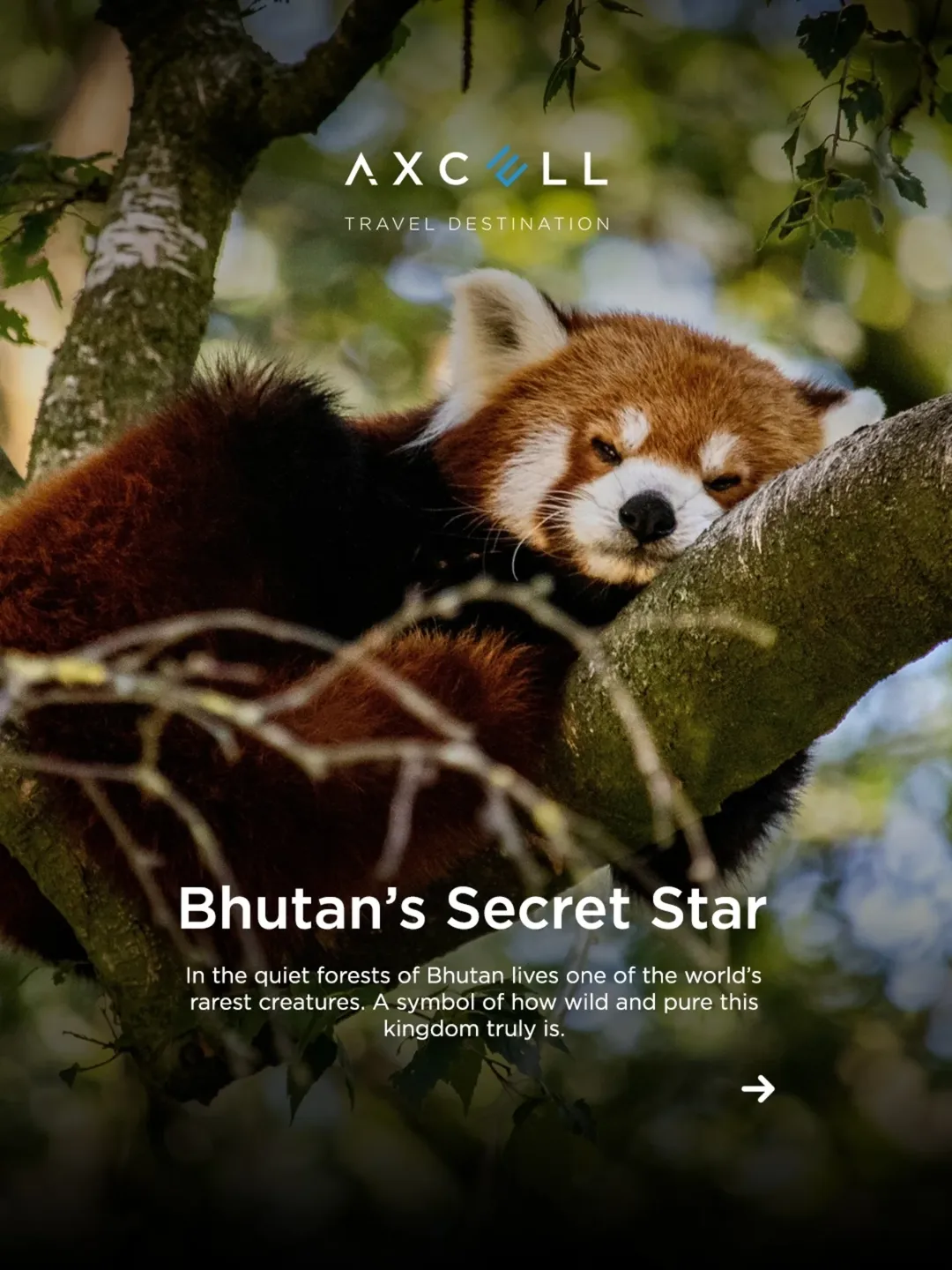
Where else can you walk ancient forest paths, breathe some of the world’s cleanest air, and know that even red pandas are protected by national policy?
In Bhutan, travel isn’t about ticking boxes. It’s about finding meaning.

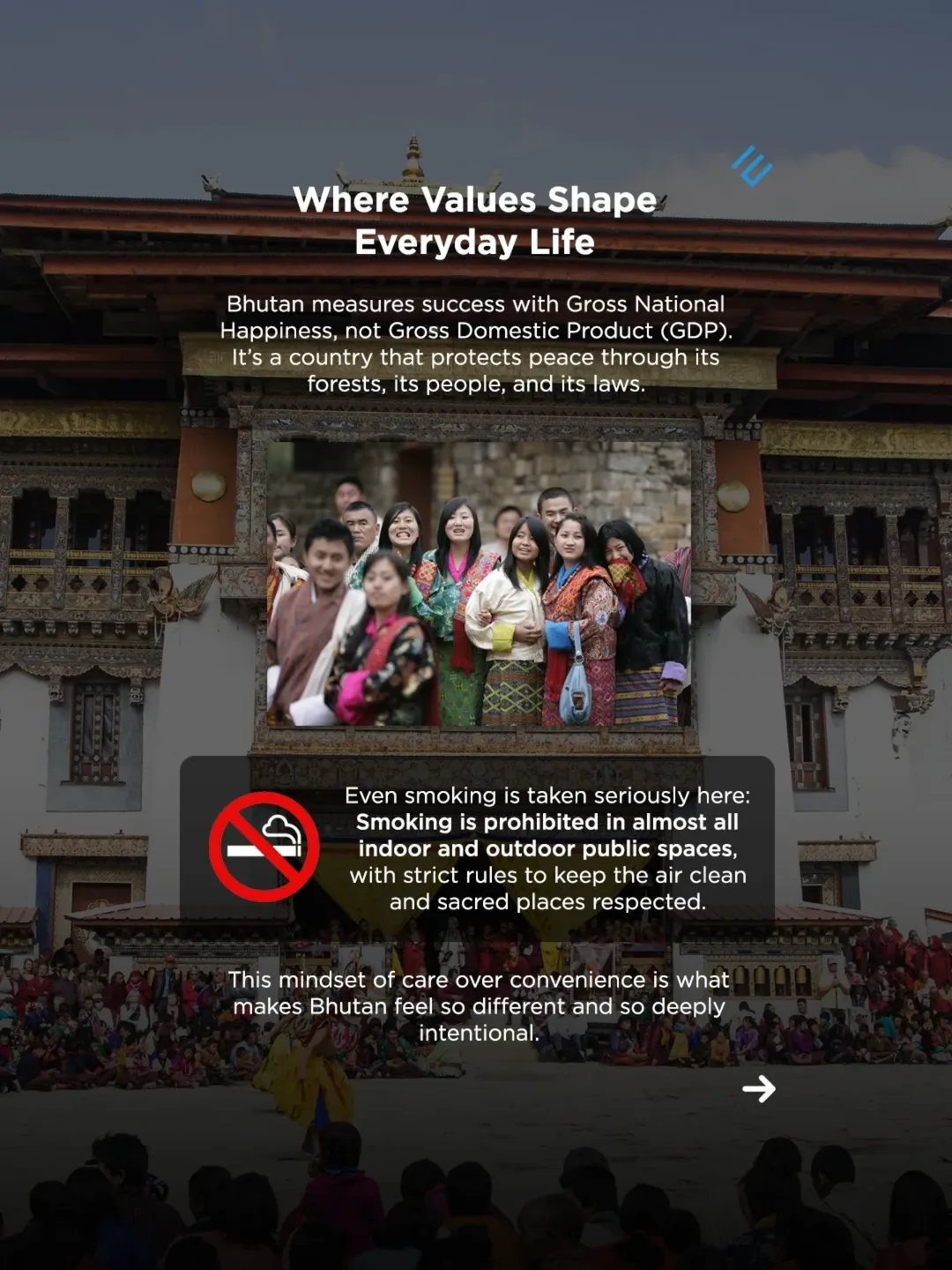
Tucked away in the eastern Himalayas between towering mountain ranges, Bhutan feels like a world apart—quiet, intentional, and deeply rooted in values that place people and nature above profit. This is a country that measures success not by GDP, but by Gross National Happiness. And for travelers, that philosophy transforms every step of the journey.

Bhutan's Secret Star

A Country That Chose a Different Path

Bhutan is one of the few places on Earth that has deliberately chosen quality over quantity in tourism. Rather than opening its doors to mass travel, Bhutan carefully manages visitor numbers to protect its culture, environment, and way of life. The result is a travel experience that feels rare and personal.

Here, landscapes remain largely untouched. Traditions are lived, not staged. And travelers are invited not to consume the destination, but to connect with it.

From the moment you arrive, Bhutan feels intentional—calm, grounded, and refreshingly sincere.

Walking Through Ancient Forests

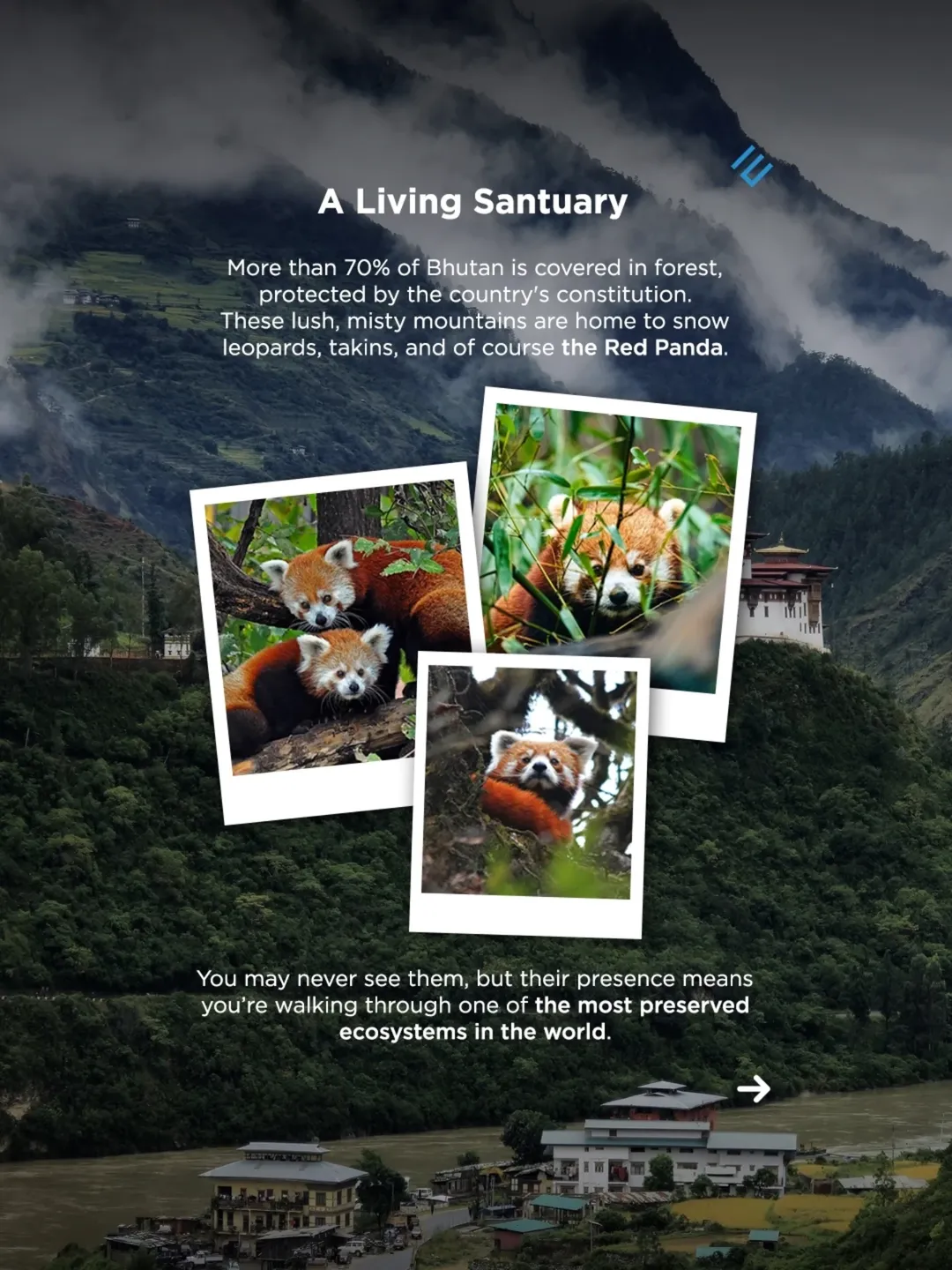
Much of Bhutan is covered in pristine forest, with over 70% of the country remaining under tree cover. Walking through these forests feels timeless. Moss-covered paths wind through old-growth trees, prayer flags flutter softly in the breeze, and the only sounds are birdsong and wind moving through leaves.

These trails are not manicured attractions. They are living ecosystems—paths used by locals, monks, and wildlife alike. As you walk, you feel less like a visitor and more like a quiet participant in something ancient and ongoing.

It’s here that Bhutan’s commitment to conservation becomes tangible. The forests are protected not only for their beauty, but for their role in sustaining life—human and animal alike.

Breathing the World’s Cleanest Air

Bhutan is often cited as having some of the cleanest air on the planet, and it’s not hard to understand why. The country is carbon negative, absorbing more carbon dioxide than it produces. Hydropower supplies most of its energy, plastic use is tightly controlled, and environmental protection is written into the constitution.

For travelers, this means something rare: air that feels crisp, light, and restorative. Breathing deeply in Bhutan’s valleys and mountain passes is an experience in itself. It’s a reminder of what the world can feel like when nature is respected rather than exploited.

This purity changes the rhythm of travel. You walk slower. You sleep better. You feel more present.

A Sanctuary for Wildlife

Bhutan’s conservation efforts extend beyond landscapes to the creatures that inhabit them. The country is home to extraordinary biodiversity, including rare and endangered species. Among them is the elusive red panda—protected within Bhutan’s vast network of national parks and wildlife corridors.

Knowing that such animals are safeguarded adds a deeper layer of meaning to travel here. Forests are not just scenery; they are sanctuaries. Mountains are not just backdrops; they are ecosystems carefully preserved for generations to come.

This harmony between humans and nature is not accidental—it is a core value woven into Bhutanese life.

Culture That Feels Alive

Bhutan’s cultural richness is as striking as its landscapes. Monasteries cling to cliffs, villages follow centuries-old rhythms, and traditional dress is worn daily—not for tourists, but as part of everyday identity.

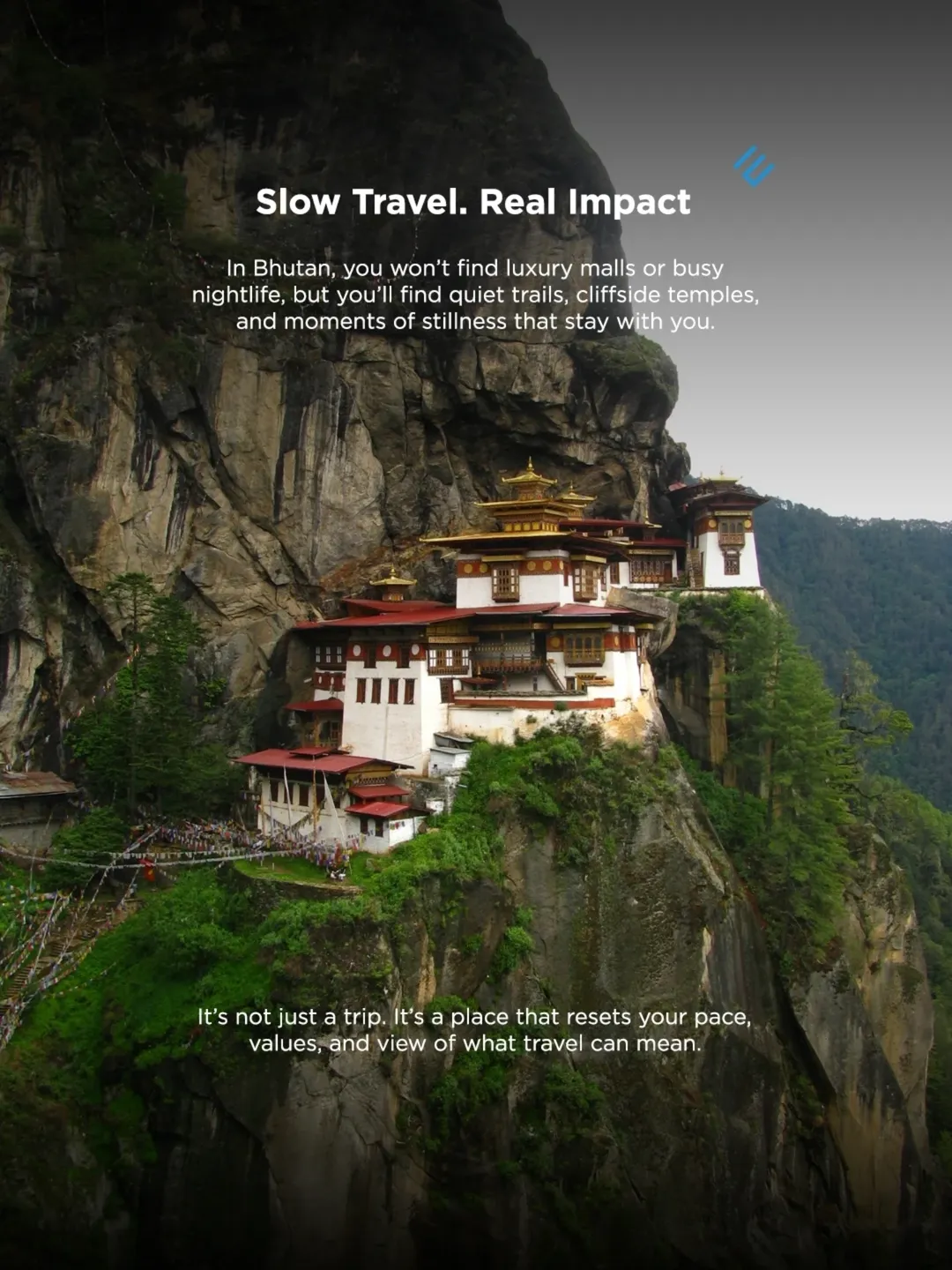
One of the most iconic sights is Paro Taktsang, often called the Tiger’s Nest Monastery. Perched dramatically on a cliffside, it is reached by a forest hike that feels both physical and spiritual. The journey up is as meaningful as the destination itself—a perfect reflection of Bhutan’s approach to life and travel.

Festivals, rituals, and community gatherings are woven naturally into daily life. Travelers don’t observe from behind ropes; they are gently welcomed into moments that feel genuine and unhurried.

Travel That Encourages Reflection

In Bhutan, itineraries are not about seeing everything. They are about experiencing enough. Days are designed with space—space to walk, to sit, to talk, to reflect. Moments of stillness are not filler; they are the point.

You may find yourself pausing beside a mountain road, watching clouds drift through valleys. Or sitting quietly in a temple courtyard, listening to prayer wheels turn. These moments are not planned highlights, yet they often become the most memorable parts of the journey.

Bhutan teaches travelers that meaning is found not in how much you do, but in how deeply you experience what you do.

A Journey Aligned With Values

For conscious travelers, Bhutan feels especially powerful. It demonstrates that tourism can exist without sacrificing integrity. That a country can welcome visitors while protecting its soul. That progress does not have to come at the cost of nature or culture.

Traveling in Bhutan feels aligned—with values of balance, respect, and mindfulness. It’s a place that gently challenges how we think about travel and, often, about life itself.

Why Bhutan Is Unlike Anywhere Else

Bhutan stands apart not because it is inaccessible, but because it is intentional. Everything—from policy to daily routine—is shaped by long-term thinking.

What makes Bhutan truly special:

  • Protected forests and wildlife corridors

  • Exceptionally clean air and carbon-negative practices

  • Deeply rooted spiritual and cultural traditions

  • Thoughtful, low-impact tourism

  • Travel experiences focused on meaning, not volume

This is not a destination you rush through. It’s one you carry with you.

Begin a Journey That Matters

Traveling to Bhutan requires thoughtful planning—understanding seasons, routes, cultural norms, and pacing. When done well, it becomes a seamless, enriching experience that feels personal and profound.

That’s where meaningful travel design makes the difference.

With Axcell Travel Destination, your journey to Bhutan can be crafted with care—balancing exploration, comfort, and respect for the destination. Every detail is shaped to support a deeper connection, not just a smoother trip.

📩 DM us to start your journey.

Because in Bhutan, travel is not about collecting places.
It’s about discovering values, perspective, and meaning—one quiet step at a time.

Thoughtfully Designed Journeys, Just for You

Start planning your thoughtfully designed journey with Axcell Travel Destination.