
3 Michelin Star Restaurants in Singapore

Where Culinary Perfection Reaches Its Highest Form

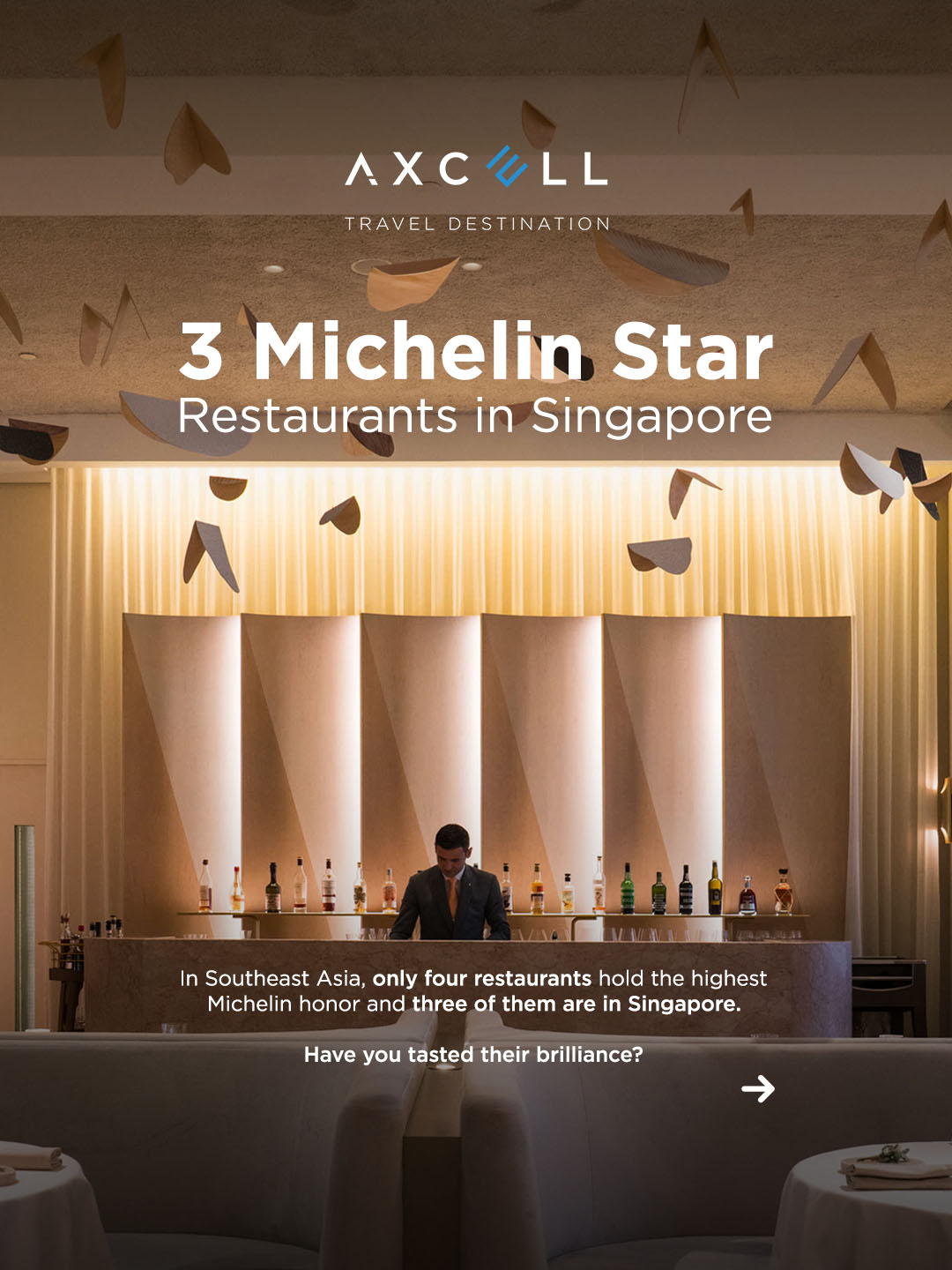
In Southeast Asia, only four restaurants hold the highest honor awarded by the Michelin Guide: three Michelin Stars. Remarkably, three of them are located in one city — Singapore.

This small island nation has transformed itself into a global culinary capital, where heritage hawker stalls coexist with some of the most refined dining rooms in the world. Precision, artistry, and storytelling converge here in extraordinary ways.

To earn three Michelin Stars means a restaurant is “worth a special journey.”
In Singapore, three destinations embody that promise.

Have you tasted their brilliance?
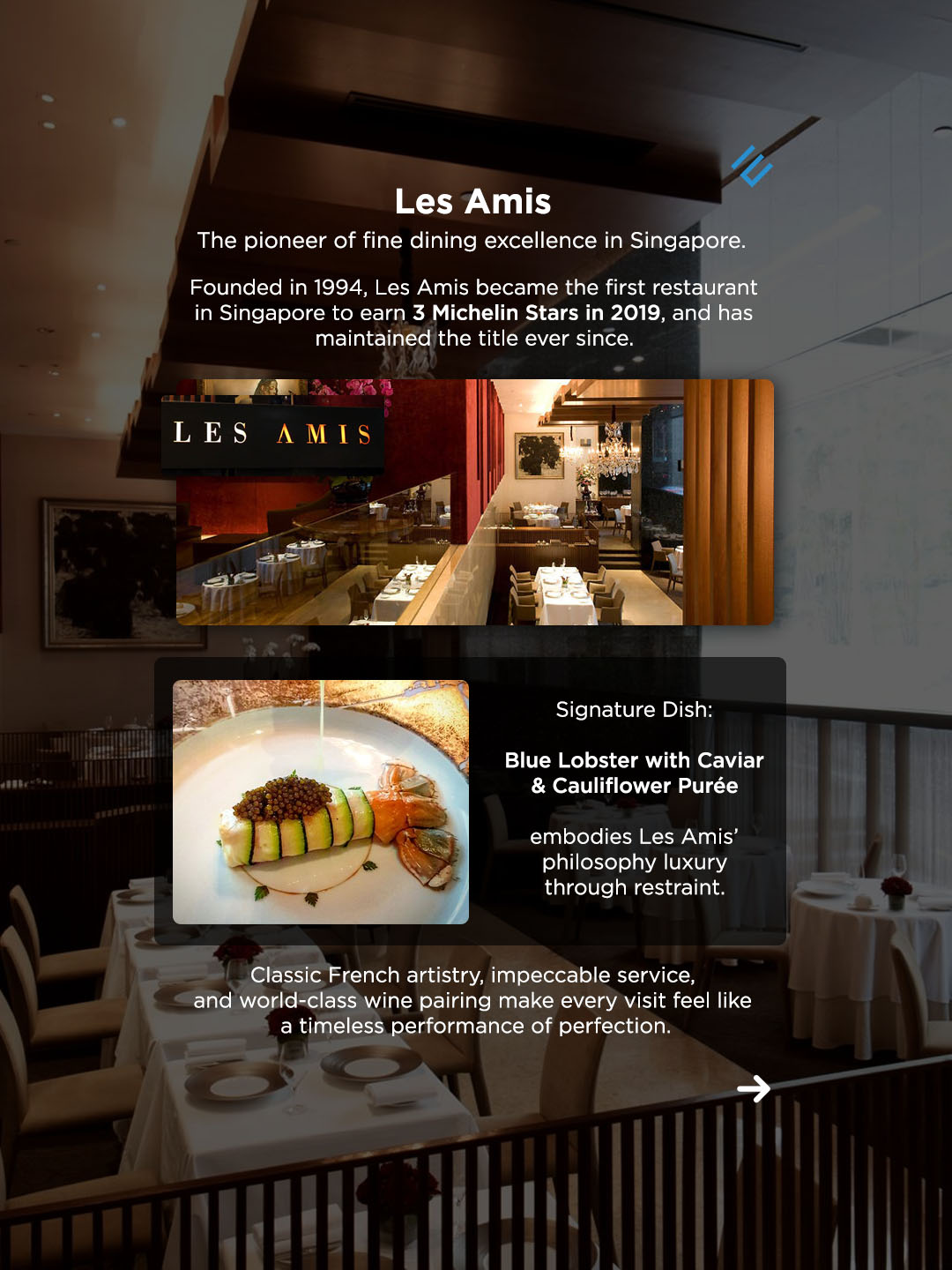
Les Amis

The pioneer of fine dining excellence in Singapore

A Legacy Since 1994

Les Amis was founded in 1994, long before Singapore became synonymous with world-class gastronomy. It was built with a bold vision: to elevate fine dining standards in the region and create a restaurant that could stand alongside Europe’s most respected establishments.

In 2019, Les Amis became the first restaurant in Singapore to earn three Michelin Stars — a milestone that redefined the city’s culinary landscape. Since then, it has maintained its prestigious title, proving that excellence is not a moment but a commitment.

Signature Dish — Blue Lobster with Caviar & Cauliflower Purée

The Blue Lobster with Caviar & Cauliflower Purée embodies the philosophy of Les Amis: luxury through restraint.

Rather than overwhelming the palate, the dish highlights the natural sweetness of the lobster, complemented by the briny elegance of caviar and the silky smoothness of cauliflower purée.

The balance is deliberate.
The flavors are precise.
Nothing is excessive.

It is classic French artistry executed with unwavering discipline.

A Timeless Performance of Perfection

Dining at Les Amis feels almost theatrical. Service flows seamlessly. Plates arrive with quiet confidence. The wine cellar — one of the most impressive in Asia — elevates each course through masterful pairings.

Every detail is refined. Every moment intentional.

Les Amis does not seek to surprise through extravagance. Instead, it perfects the classics — reminding guests that true luxury lies in mastery.

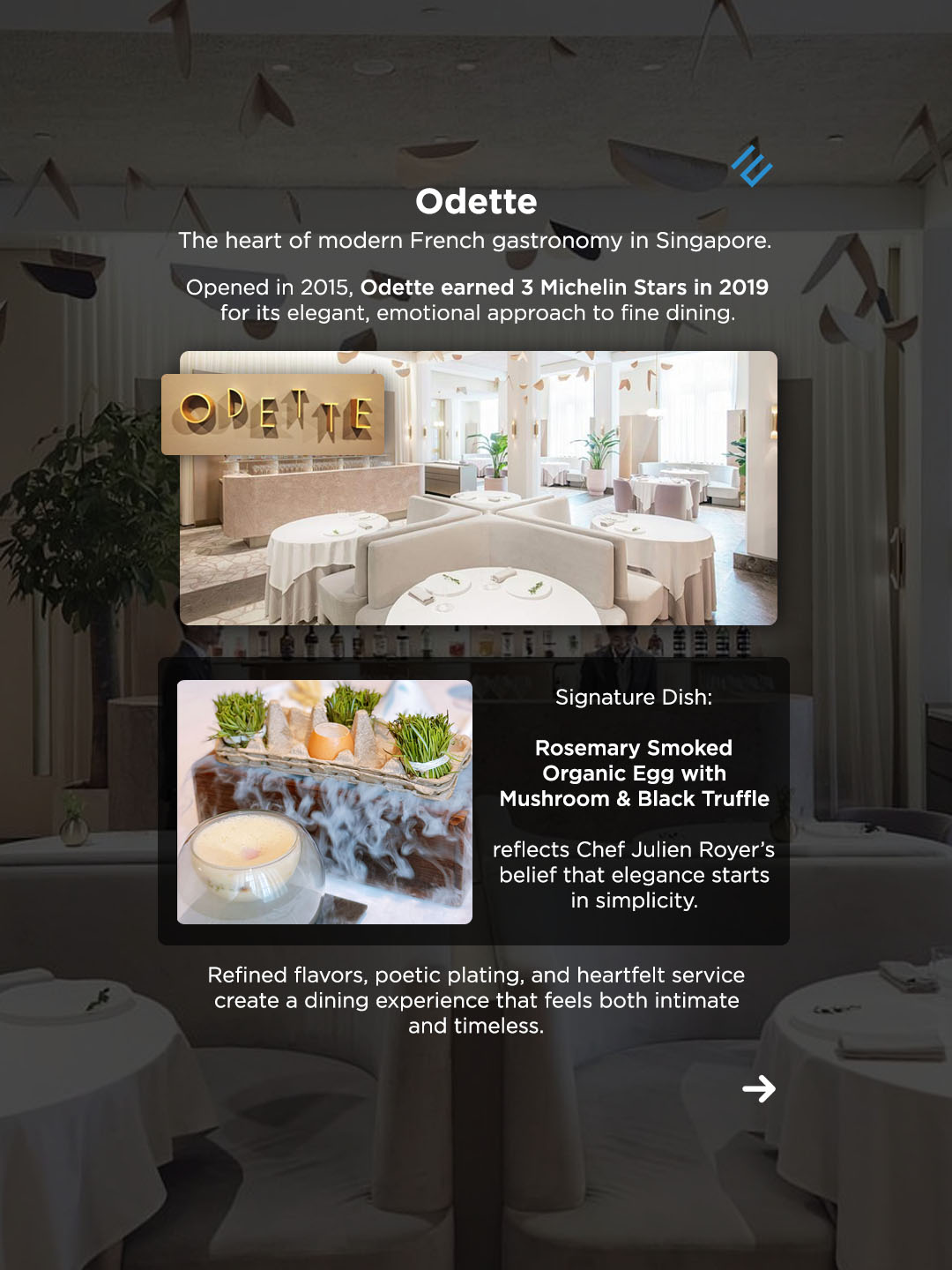
Odette

The heart of modern French gastronomy in Singapore

Elegance in Simplicity

Opened in 2015, Odette quickly rose to international acclaim. In 2019, it was awarded three Michelin Stars for its refined yet emotional approach to fine dining.

Led by Chef Julien Royer, Odette is guided by a belief that elegance begins with simplicity. Ingredients are treated with reverence. Presentation is delicate yet expressive.

The restaurant’s dining room — soft, pastel-toned, and intimate — sets the stage for a deeply personal experience.

Signature Dish — Rosemary Smoked Organic Egg with Mushroom & Black Truffle

This dish is deceptively simple. A perfectly cooked organic egg, gently smoked with rosemary, paired with earthy mushrooms and aromatic black truffle.

Yet beneath its simplicity lies technical precision and emotional depth.

The egg’s velvety texture contrasts with the umami richness of mushroom and truffle. The rosemary smoke adds a whisper of warmth.

It reflects Chef Royer’s philosophy: the finest ingredients need only thoughtful handling.

A Dining Experience That Feels Intimate

At Odette, refinement does not feel distant. Instead, it feels welcoming.

Service is heartfelt. The pacing is calm. Each course unfolds like a chapter in a story — personal, deliberate, moving.

Odette proves that fine dining can be both grand and gentle.

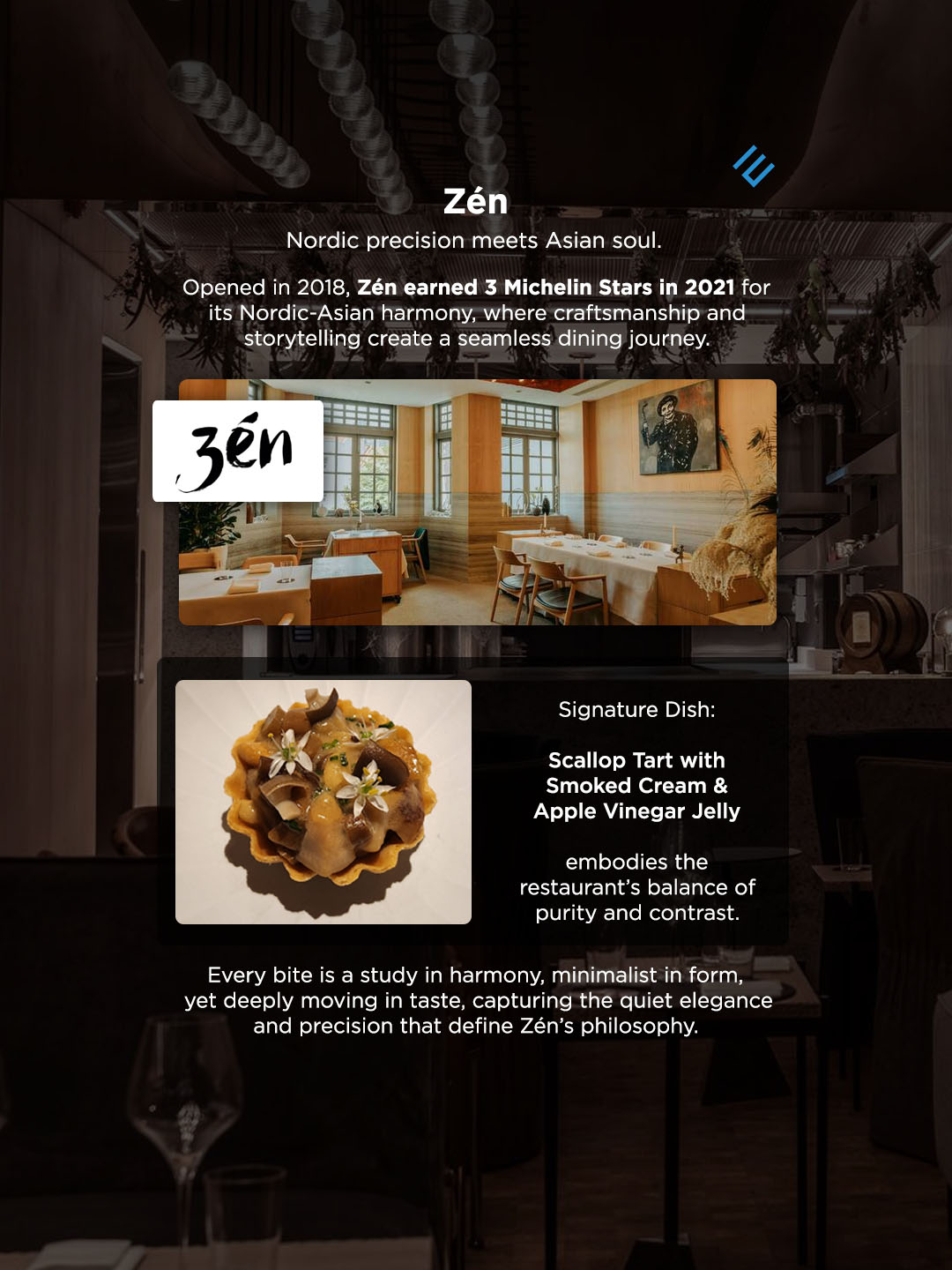
Zén

Nordic precision meets Asian soul

A Seamless Culinary Journey

Opened in 2018, Zén earned three Michelin Stars in 2021. Inspired by Nordic cuisine yet deeply connected to Asian ingredients, Zén offers a tasting experience built on harmony and storytelling.

The restaurant’s structure itself reflects progression — guests move across levels of the building as the meal evolves, creating a sense of immersion and continuity.

At Zén, dining is a journey — not just a sequence of plates.

Signature Dish — Scallop Tart with Smoked Cream & Apple Vinegar Jelly

The Scallop Tart captures the essence of Zén’s philosophy: purity and contrast.

The scallop is delicate and sweet. The smoked cream adds depth. The apple vinegar jelly introduces brightness and acidity.

Minimalist in appearance, the dish reveals complexity with each bite.

It is quiet yet profound.
Simple yet layered.
Precise yet emotional.

Craftsmanship and Storytelling

Nordic cuisine values seasonality, preservation techniques, and purity of flavor. Zén integrates these principles while embracing Asian influences.

The result is a dining experience that feels both structured and soulful.

Every detail — from plating to pacing — reflects discipline. Yet the overall journey feels seamless and organic.

Zén embodies quiet elegance.

Why Singapore Holds Three of Southeast Asia’s Four 3-Star Restaurants

Singapore’s rise as a fine dining capital is no coincidence.

The city blends:

  • Global talent

  • Strong culinary investment

  • A culture of precision and excellence

  • Access to world-class ingredients

Within a compact urban landscape, diners can explore heritage street food and internationally celebrated gastronomy in the same evening.

The presence of Les Amis, Odette, and Zén within one city speaks to Singapore’s dedication to culinary mastery.

Three Michelin Stars are awarded only when a restaurant demonstrates exceptional cuisine, worth traveling for. That three such establishments thrive side by side reflects a remarkable standard.

Have You Tasted Their Brilliance?

Fine dining at this level is not merely about luxury.

It is about discipline.
It is about artistry.
It is about respect for ingredients and guests alike.

At Les Amis, you witness classical perfection refined over decades.
At Odette, you feel elegance expressed through emotion and simplicity.
At Zén, you experience harmony between Nordic structure and Asian soul.

Together, they define the pinnacle of Southeast Asia’s gastronomic excellence.

To dine at any one of these restaurants is to embark on a special journey.
To experience all three is to understand why Singapore stands at the forefront of global fine dining.

The question remains:

Which table will you reserve first?

Thoughtfully Designed Journeys, Just for You

Start planning your thoughtfully designed journey with Axcell Travel Destination.

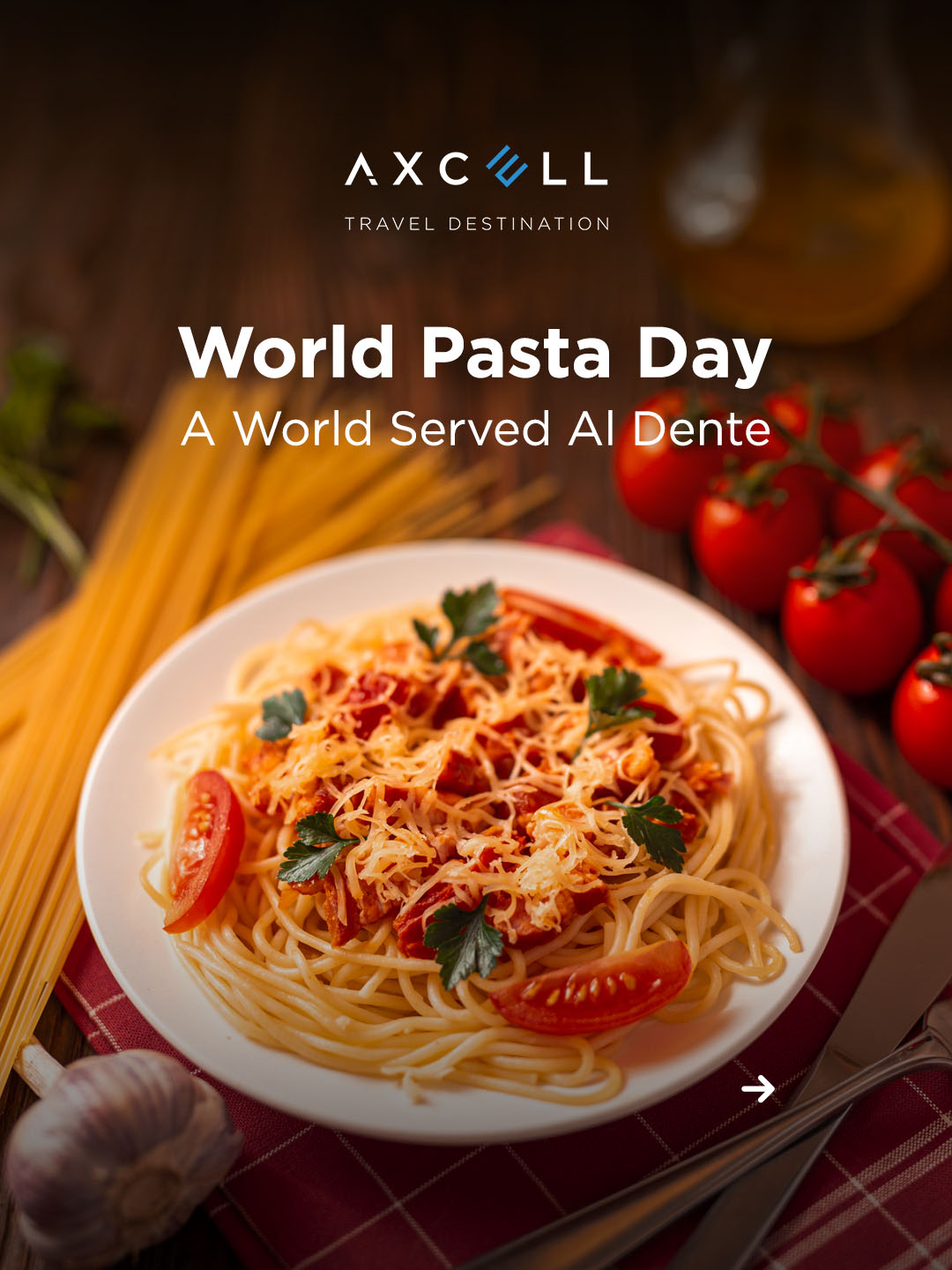
World Pasta Day

A World Served Al Dente

Where mystery, mastery, and nature exist in perfect har

Every year on October 25, kitchens across Italy — and far beyond — celebrate one of the world’s most beloved comfort foods: pasta.

But pasta is more than a dish.

It is memory.
It is craftsmanship.
It is heritage served on a plate.

From sun-dried strands in southern villages to Michelin-starred reinterpretations in modern cities, pasta carries the rhythm of Italian life. It represents shared meals, animated conversations, and the simple joy of gathering around a table.

On World Pasta Day, we celebrate not only flavor — but a timeless story woven from grain, hands, and heart.

mony

Machu Picchu isn’t just a place—it’s a living story. Suspended between sky and mountain in the Andes of Peru, this ancient citadel feels less like a ruin and more like a conversation across time. Every terrace, temple, and pathway reflects an extraordinary balance between human ingenuity and the natural world.

For many travelers, Machu Picchu is a dream image—a postcard view shrouded in mist at sunrise. But to truly experience it is to move beyond the photograph and step into a layered narrative of mystery, purpose, and profound connection to the land.

Where It All Began

A timeless story of grain, hands, and soul

Ancient Roots & Mediterranean Sun

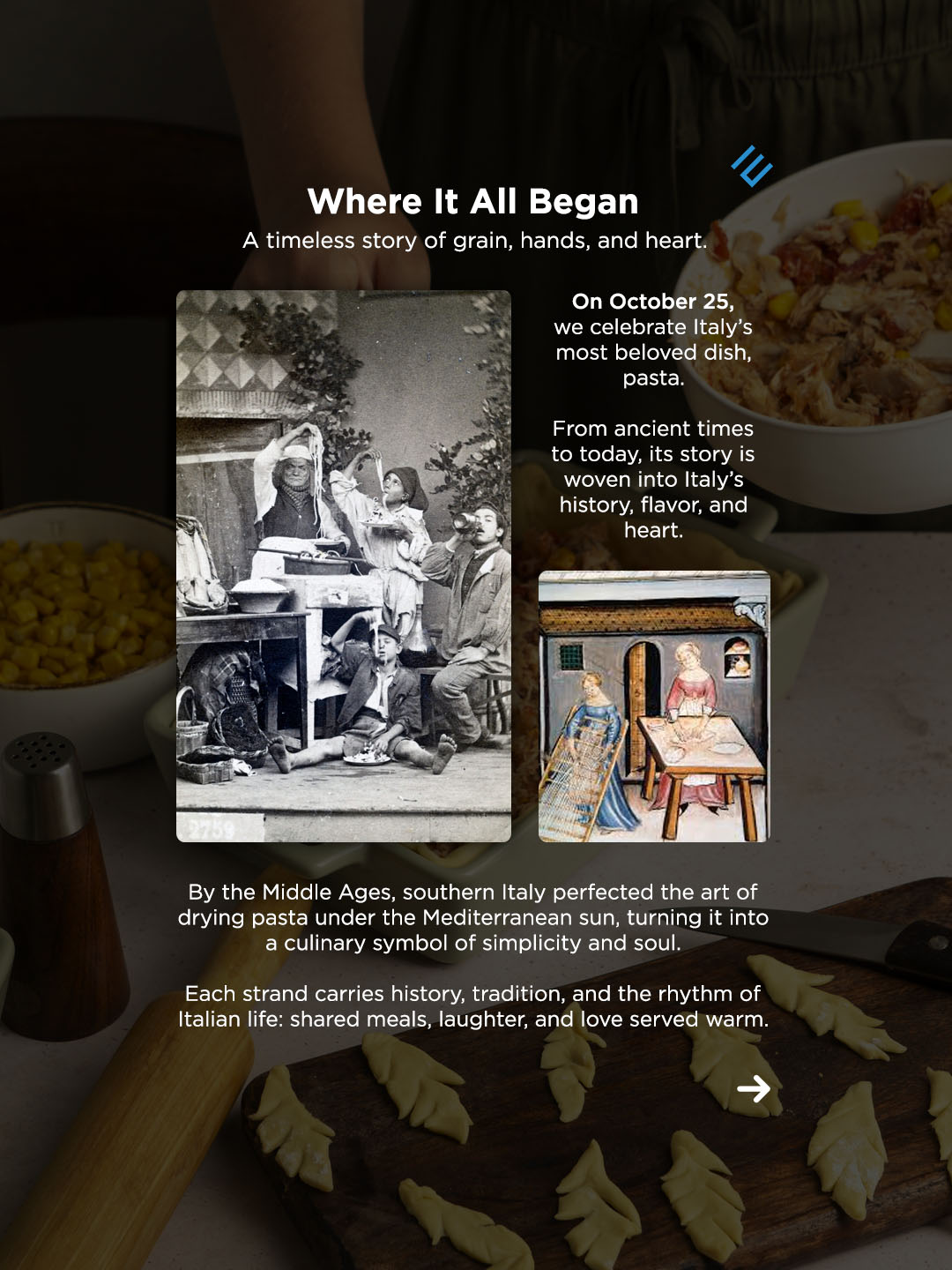
Long before it became a global staple, pasta was born from necessity and ingenuity. Ancient civilizations across the Mediterranean worked with grain and water to create durable, nourishing food.

By the Middle Ages, southern Italy had perfected the art of drying pasta under the Mediterranean sun. Coastal towns, especially around Naples and Sicily, developed techniques to stretch, shape, and preserve pasta for long journeys.

Drying pasta allowed it to travel.
And once it traveled, it conquered the world.

The simplicity of flour and water transformed into culinary poetry.

Pasta as a Cultural Symbol

In Italy, pasta is not simply eaten — it is respected.

Each region developed its own shapes, textures, and traditions. Recipes were guarded within families. Sauces evolved from local ingredients — tomatoes from the south, butter and sage from the north, seafood along the coasts.

Every strand carries:

  • Regional identity

  • Seasonal ingredients

  • Generational knowledge

  • The warmth of shared tables

Pasta is Italy’s edible heartbeat.

How Many Kinds of Pasta Exist?
More than 350 shapes — each with a story

Italy boasts over 350 recognized varieties of pasta. From delicate ribbons to intricate stuffed pockets, each shape serves a purpose.

Texture matters. Thickness matters. Shape matters.

The way pasta holds sauce defines the experience.

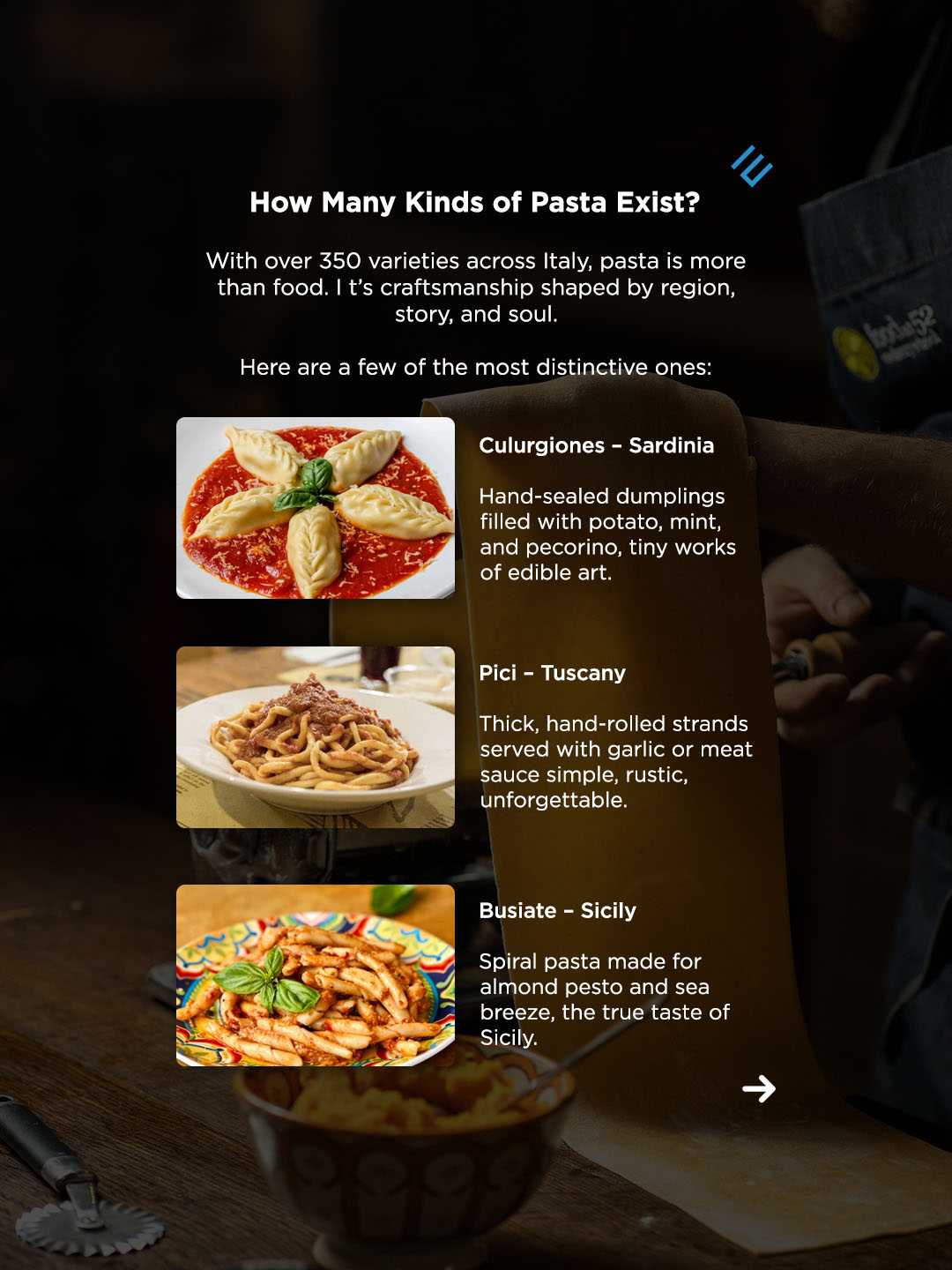
Here are three distinctive varieties that reflect Italy’s regional craftsmanship.

Culurgiones — Sardinia’s Edible Art

From the island of Sardinia comes Culurgiones — hand-sealed dumplings filled with potato, mint, and pecorino cheese.

Their braided closure resembles delicate wheat stalks, symbolizing prosperity and gratitude. Traditionally prepared for celebrations and harvest festivals, they are tiny works of edible art.

The filling is creamy yet aromatic, with mint offering unexpected freshness. Each dumpling reflects patience and skill — sealed carefully by hand.

In Sardinia, making Culurgiones is both cooking and storytelling.

Pici — Tuscany’s Rustic Pride

In the rolling hills of Tuscany, simplicity reigns.

Pici are thick, hand-rolled strands made with just flour and water. No eggs. No complexity. Just technique.

Often served with aglio e olio (garlic and olive oil) or rich meat ragù, Pici capture Tuscany’s rustic elegance.

Their slightly uneven texture allows sauce to cling beautifully, creating a hearty, satisfying bite.

Pici proves that simplicity, when done well, becomes unforgettable.

Busiate — Sicily’s Spiral of Flavor

In Sicily, Busiate spirals into shape.

Traditionally formed by wrapping dough around a thin rod, Busiate’s corkscrew structure is perfect for capturing sauces — especially pesto alla Trapanese, made with almonds, tomatoes, and basil.

The shape reflects Sicily’s coastal heritage — airy, sun-kissed, and full of flavor.

Busiate tastes like sea breeze and Mediterranean sunshine.

Four Legendary Pasta Spots in Italy

Where devotion meets mastery

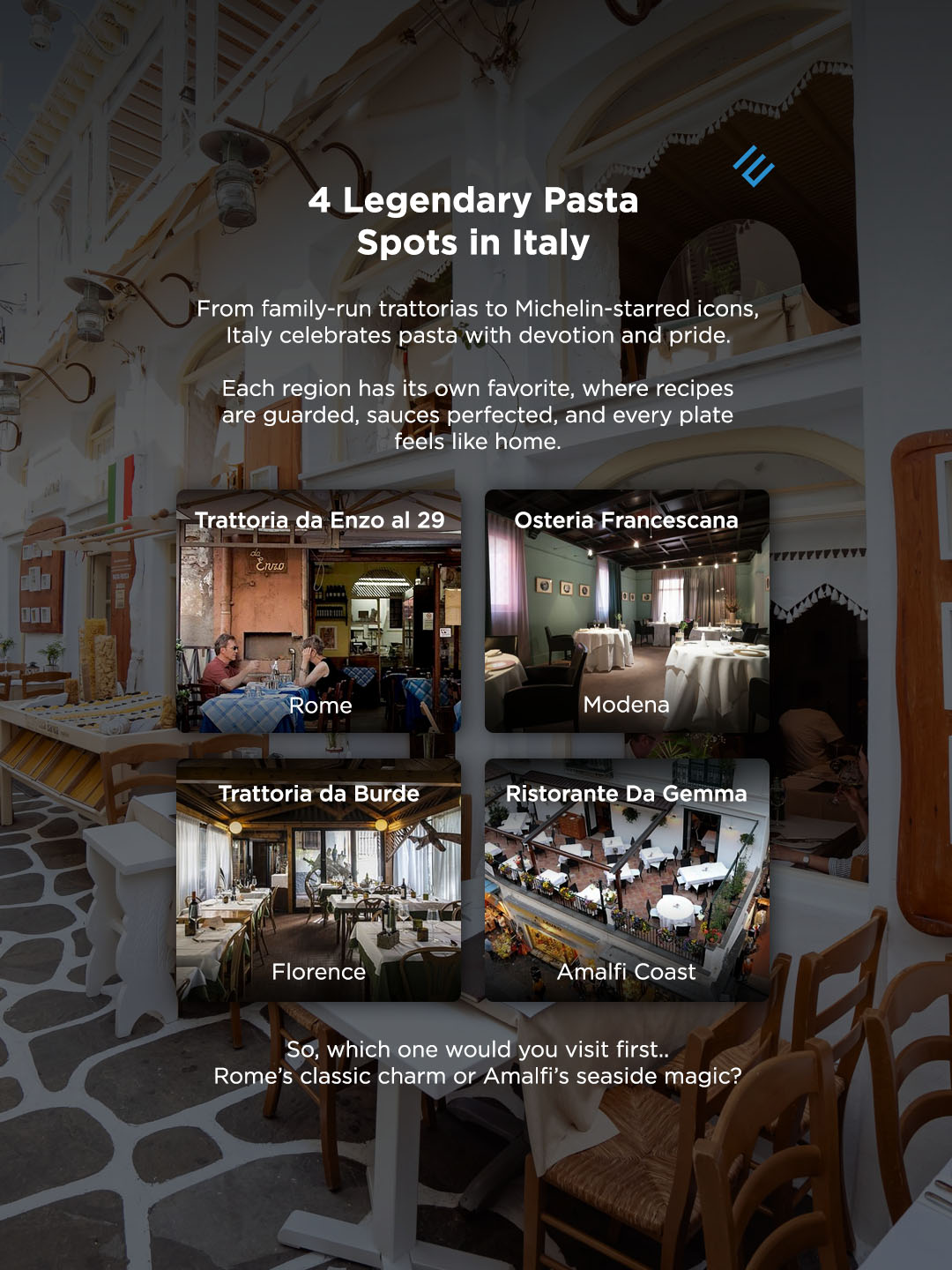
Across Italy, pasta is honored in both humble trattorias and world-renowned restaurants. Here are four legendary places where pasta is more than a menu item — it is a legacy.

Trattoria da Enzo al 29 — Rome’s Classic Charm

Located in the heart of Rome, Trattoria da Enzo al 29 is beloved for its authentic Roman classics.

Here, carbonara is silky and unapologetically rich. Amatriciana is bold and peppery. Every plate reflects tradition without compromise.

Tables are close together. Conversations are lively. It feels like home.

Osteria Francescana — Modena’s Culinary Icon

In Modena, Osteria Francescana redefines pasta through innovation.

Led by Chef Massimo Bottura, this three-Michelin-star restaurant transforms traditional dishes into contemporary masterpieces.

It proves that pasta can evolve — without losing its roots.

Trattoria da Burde — Florence’s Heritage

In Florence, Trattoria da Burde celebrates Tuscan tradition.

Here, hearty ragù and hand-rolled pasta embody regional pride. The atmosphere is warm, the wine flows generously, and recipes remain loyal to history.

It is Florence on a plate.

Ristorante Da Gemma — Amalfi Coast Elegance

Overlooking the Mediterranean in Amalfi Coast, Ristorante Da Gemma pairs pasta with seaside magic.

Seafood linguine glistens under lemon-scented air. The view stretches endlessly across blue horizons.

Dining here feels cinematic — romantic, refined, unforgettable.

Why Pasta Unites the World

From village kitchens to global tables

Though born in Italy, pasta now belongs to the world.

It adapts effortlessly. It welcomes new sauces, new spices, new interpretations. Yet its soul remains unchanged: flour, water, and intention.

Pasta bridges cultures because it invites gathering.

It invites:

  • Long lunches

  • Sunday dinners

  • Laughter over wine

  • Recipes passed from grandparents to grandchildren

On World Pasta Day, we celebrate not just a dish — but connection.

Served with Love, Always Al Dente

Pasta reminds us that the simplest ingredients can create the richest experiences.

From Sardinia’s delicate Culurgiones to Tuscany’s rustic Pici and Sicily’s vibrant Busiate, each shape carries regional pride.

From Rome’s intimate trattorias to Amalfi’s coastal elegance, every plate tells a story.

On October 25, as we honor World Pasta Day, we celebrate more than flavor.

We celebrate tradition.
We celebrate craftsmanship.
We celebrate the joy of sitting together at a table.

Because in the end, pasta is not just food.

It is love — served warm, shared generously, and always best enjoyed al dente.

Thoughtfully Designed Journeys, Just for You

Start planning your thoughtfully designed journey with Axcell Travel Destination.

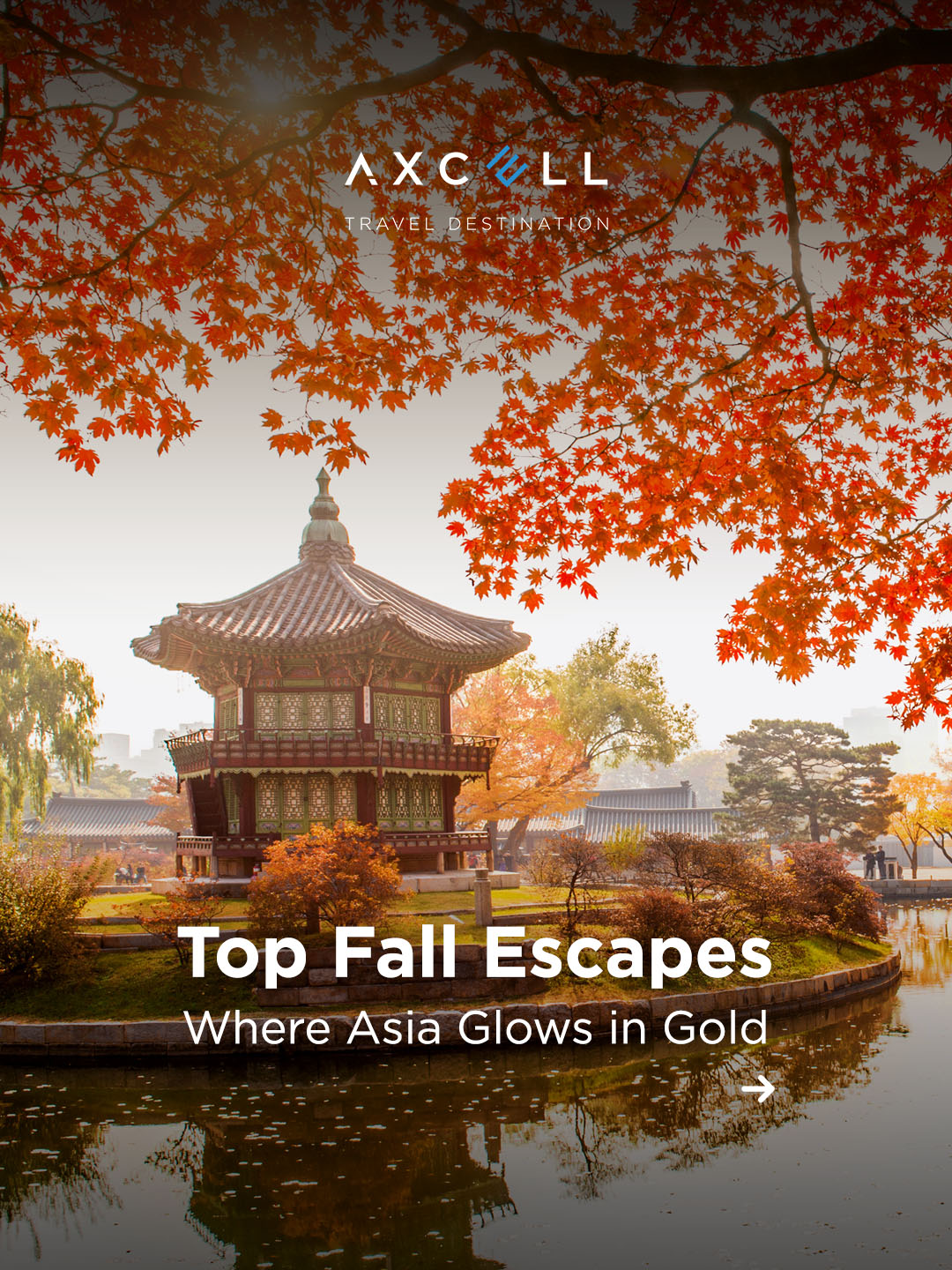
Top Fall Escapes

Where Asia Glows in Gold

As summer fades and the air turns crisp, Asia transforms into a canvas of amber, crimson, and gold. Temples shimmer beneath maple leaves. Riverside paths glow under canopies of ginkgo trees. Mist rolls gently across mountain towns lit by lanterns.

Autumn in Asia is not loud — it is luminous.

It invites slower walks, warmer drinks, softer light, and deeper appreciation of beauty that lasts only a few weeks. From Japan’s refined temple gardens to Korea’s romantic tree-lined paths and Taiwan’s nostalgic hillside alleys, fall paints the continent in unforgettable color.

This is the season of golden moments.

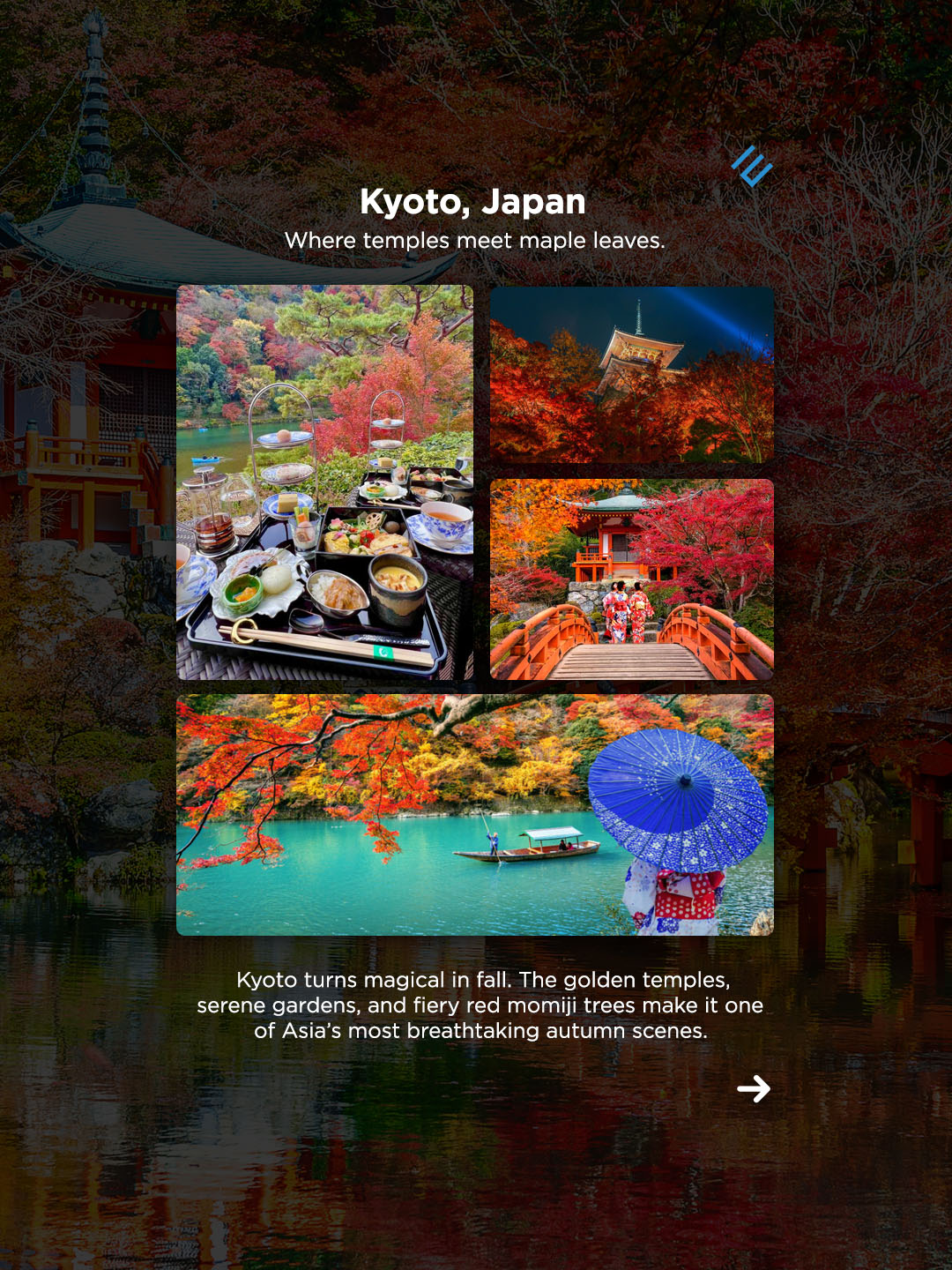
Kyoto, Japan

Where temples meet maple leaves

In autumn, Kyoto becomes poetry in motion. The city, once Japan’s imperial capital, blends centuries-old tradition with nature’s most dramatic display.

As temperatures cool from late October to early December, fiery red momiji (maple leaves) frame wooden temples, stone pathways, and tranquil ponds.

Kyoto in fall is not just beautiful.
It is transcendent.

The Golden Reflection of Kinkaku-ji

One of the most iconic autumn sights is Kinkaku-ji, the Golden Pavilion. Its gold-leaf exterior gleams even brighter against crimson foliage reflected in the surrounding pond.

The contrast is mesmerizing — shimmering gold beneath deep scarlet leaves.

Visitors often arrive early in the morning, when mist lingers and crowds are minimal. In those quiet moments, Kyoto feels suspended between past and present.

Arashiyama’s Fiery Hills

Across town, the Arashiyama district bursts into color. The hills surrounding the Togetsukyo Bridge become layered waves of red, orange, and yellow.

A slow walk through the bamboo grove followed by a riverside tea break creates the perfect autumn ritual.

Here, nature and tradition exist in harmony.

A Season of Reflection

Autumn in Kyoto aligns beautifully with Japanese aesthetics — especially wabi-sabi, the appreciation of impermanence. Leaves fall quickly, reminding visitors that beauty is fleeting.

And that is precisely why it feels so precious.

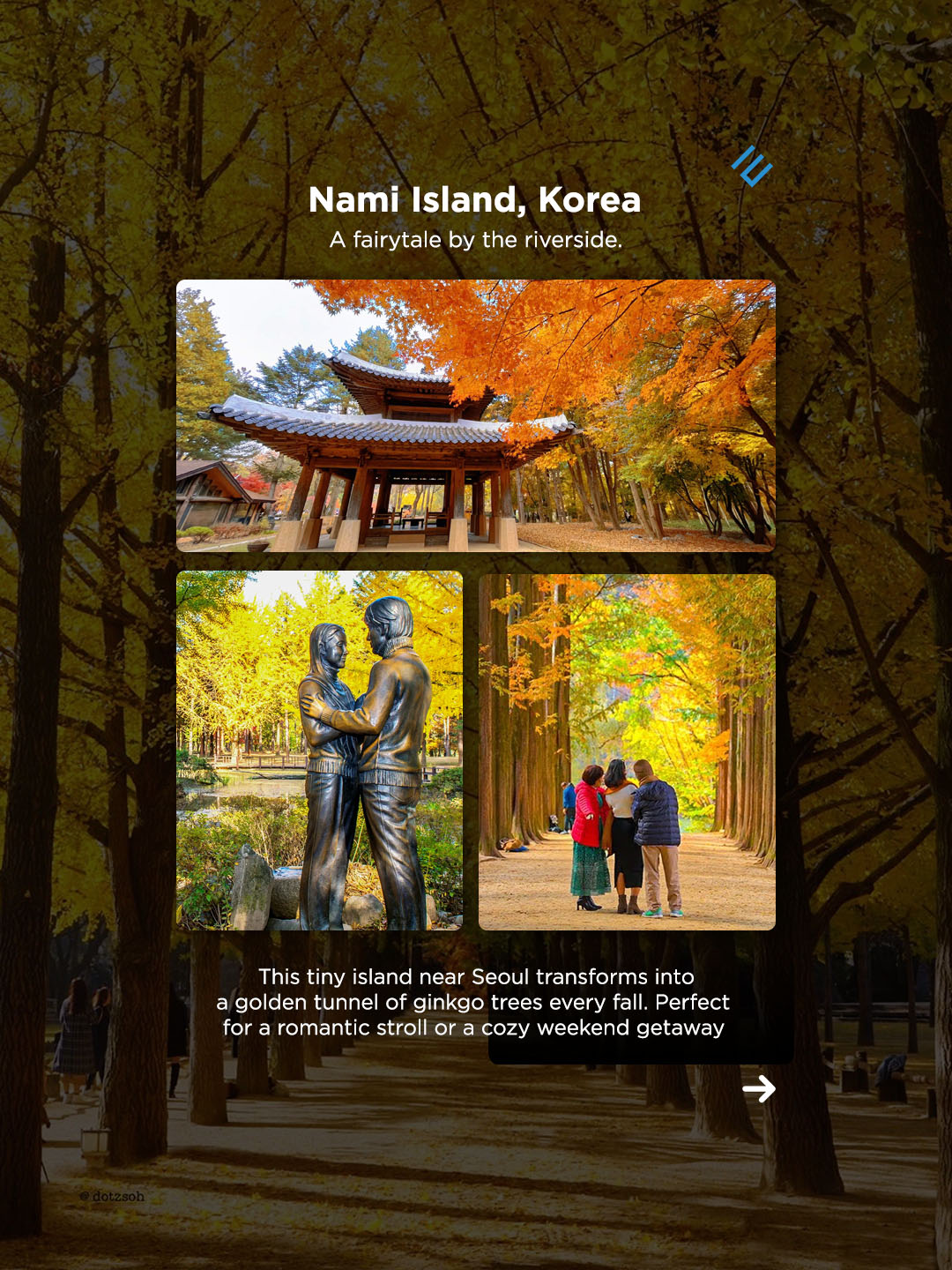
Nami Island, Korea

A fairytale by the riverside

Just outside Seoul lies Nami Island, a small crescent-shaped island that transforms into a golden dream each fall.

By late October and November, towering ginkgo trees form glowing tunnels along tree-lined paths. Their fan-shaped leaves turn brilliant yellow, carpeting the ground like sunlight frozen in time.

Walking here feels cinematic — and that’s no coincidence. Nami Island gained fame as a filming location for Korean dramas, adding romantic nostalgia to its natural charm.

The Golden Ginkgo Tunnel

The most photographed stretch of the island is its iconic ginkgo lane. As sunlight filters through the canopy, everything glows warmly.

Couples stroll hand in hand. Friends pause for photos. Families cycle slowly beneath falling leaves.

The mood is intimate yet joyful — like stepping into a living postcard.

Riverside Calm

Beyond the tree-lined paths, the Han River flows quietly around the island. Wooden benches invite you to sit and watch leaves drift gently across the water.

Autumn here feels soft — less dramatic than Kyoto’s fiery reds, but equally enchanting in its golden serenity.

A Perfect Weekend Escape

Because of its proximity to Seoul, Nami Island is ideal for a cozy weekend getaway. Combine it with a countryside café visit or a light jacket and warm coffee for the full autumn experience.

Sometimes, the most magical destinations are the smallest.

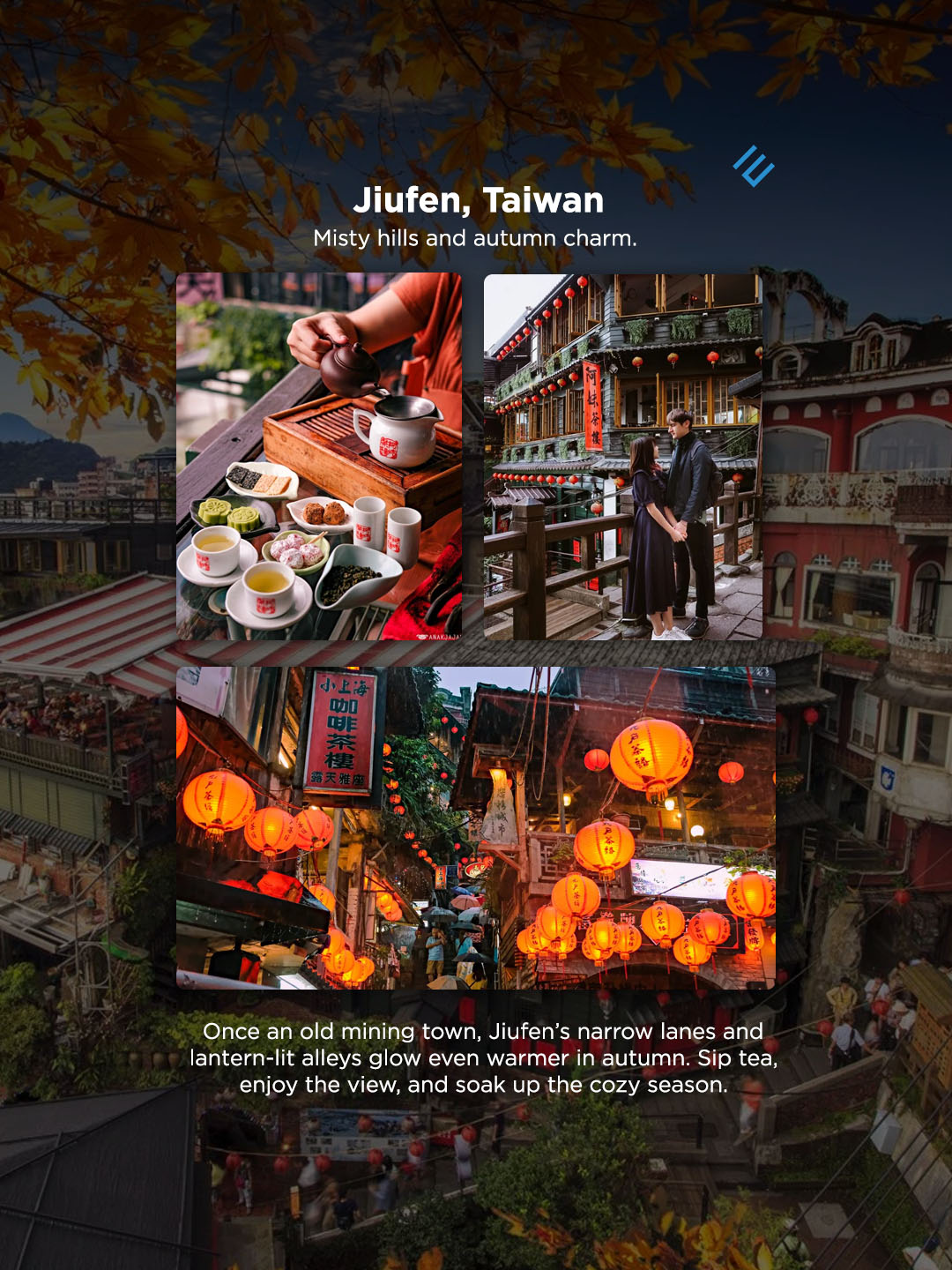
Jiufen, Taiwan

Misty hills and autumn charm

Perched in the hills of northern Taiwan, Jiufen feels like a place suspended in time.

Once a gold mining town, Jiufen is now known for its narrow alleyways, traditional tea houses, and glowing red lanterns.

In autumn, mist rolls over the hills more frequently, softening the landscape and adding cinematic depth to every view.

Lantern-Lit Evenings

As dusk falls, Jiufen transforms. Red lanterns illuminate stone stairways and wooden balconies, casting warm light against cool autumn air.

The combination of mist, mountain views, and glowing lanterns creates an atmosphere that feels almost mythical.

It is easy to lose track of time wandering these narrow lanes.

Tea with a View

One of Jiufen’s greatest pleasures is sitting in a traditional tea house overlooking the coastline.

Sip oolong tea slowly. Watch clouds drift across distant mountains. Listen to soft conversations and clinking porcelain cups.

Autumn makes this ritual even more intimate — cooler air, clearer skies, and quieter crowds.

Nostalgia in Every Corner

Jiufen’s history as a mining town adds texture to its beauty. Weathered facades, winding staircases, and layered rooftops reflect resilience and transformation.

In fall, these elements feel warmer, cozier, more reflective.

It is a place where past and present meet gently.

Why Autumn Is Asia’s Most Magical Season

Soft light, slow travel, golden memories

Across Asia, autumn carries a different energy than summer or spring.

The light becomes softer. The crowds thin slightly. The air invites long walks and unhurried conversations.

In Kyoto, maple leaves blaze in dramatic color.
On Nami Island, ginkgo trees glow like golden corridors.
In Jiufen, lanterns flicker against misty hills.

Each destination offers a different interpretation of the season:

  • Japan: Refined elegance and fleeting beauty

  • Korea: Romantic warmth and riverside calm

  • Taiwan: Nostalgic charm and mountain serenity

Autumn encourages presence. It slows your pace and sharpens your senses.

When Asia Turns to Gold

Travel is often about movement — flights, trains, schedules, checklists.

But autumn asks something different.

It asks you to pause.

To stand beneath maple leaves in Kyoto.
To walk through golden ginkgo tunnels on Nami Island.
To sip tea in a lantern-lit corner of Jiufen.

These are not loud experiences. They are luminous ones.

When Asia glows in gold, it reminds us that beauty does not need to shout. It simply needs the right light, the right season, and the willingness to notice.

And for a few precious weeks each year, the continent becomes a masterpiece painted in amber and crimson.

If you’re seeking travel that feels warm, reflective, and quietly unforgettable — autumn is waiting.

Thoughtfully Designed Journeys, Just for You

Start planning your thoughtfully designed journey with Axcell Travel Destination.

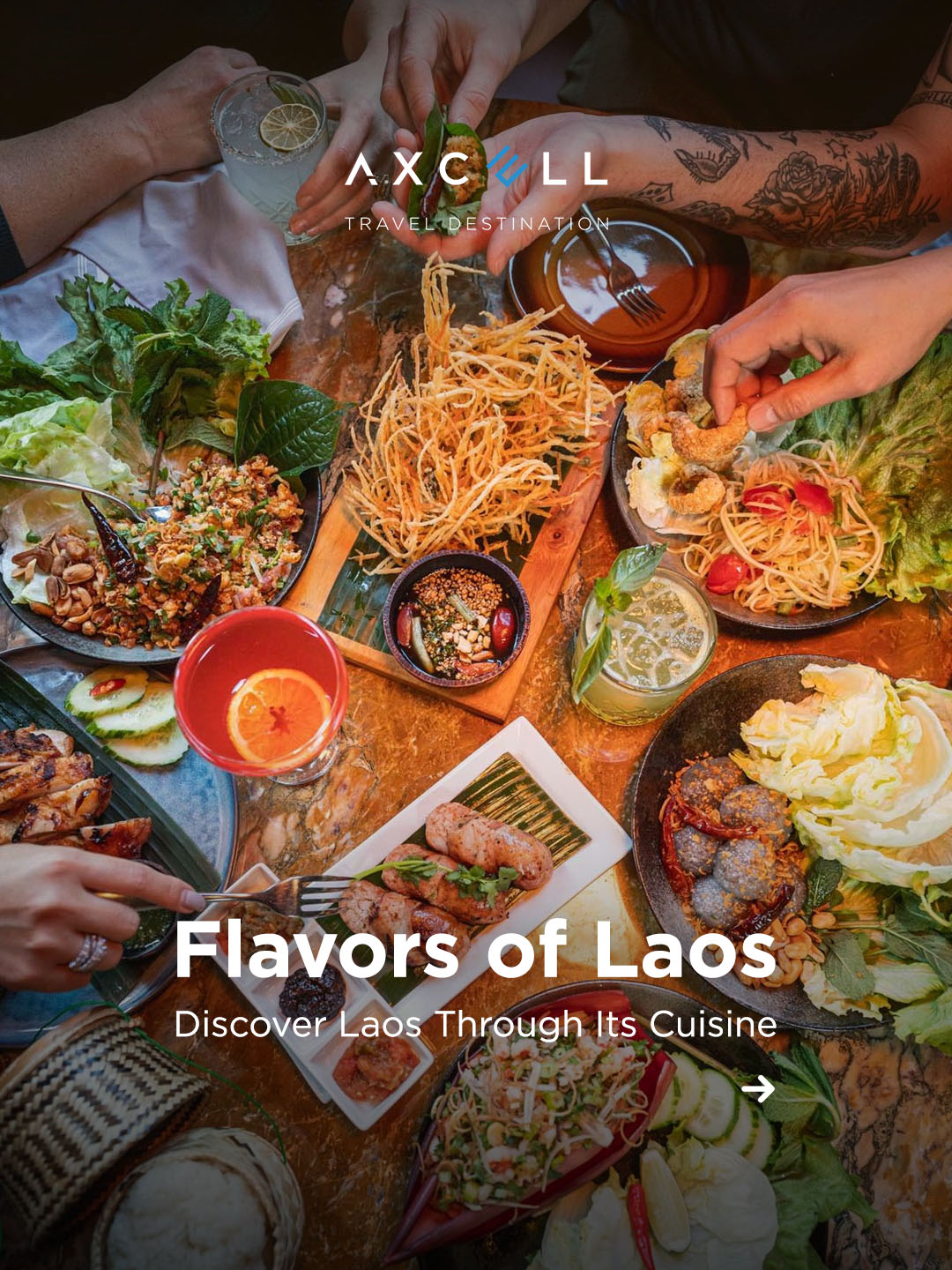
Flavors of Laos

Discover Laos Through Its Cuisine

There is a quiet magic to Laos. Mornings begin with saffron-robed monks walking softly through mist-covered streets. The Mekong River flows steadily past wooden homes and temple walls. Markets awaken not with noise, but with rhythm — the chopping of herbs, the clatter of baskets, the scent of charcoal rising into warm air.

To understand Laos, you must sit at its table.

Laotian cuisine is not flashy. It does not compete for attention. Instead, it invites you to slow down, taste carefully, and notice the balance of flavors — spicy yet fresh, earthy yet bright, simple yet deeply layered.

From vibrant minced salads to fragrant herbal stews, Lao food reflects its landscapes: rivers rich with fish, forests filled with aromatic plants, and mountains that shape both climate and culture.

This is not simply about dishes.
It is about identity, tradition, and community.

The Soul of Lao Cuisine

Freshness, fire, and harmony

A Land Connected to the Mekong

Laos is defined by the Mekong River. Flowing through the country from north to south, it shapes agriculture, fishing traditions, and daily life. River fish appear in countless dishes, often grilled, steamed, or wrapped in banana leaves.

The landscape determines the plate.
Mountain herbs, wild vegetables, freshwater fish, and sticky rice form the backbone of Lao cooking.

Food here is local because it has always needed to be.

Sticky Rice – The Heart of Every Meal

Unlike many neighboring countries, Laos centers its cuisine on sticky rice (khao niao). Served in small woven bamboo baskets, it is eaten by hand — gently rolled into small portions and dipped into shared dishes.

Sticky rice is more than a staple. It is ritual.

Meals are communal. Plates are placed in the center. Everyone shares. There is no rush, no individual servings arranged with precision. The beauty lies in togetherness.

Herbs Over Heavy Sauces

Where Thai cuisine may lean toward rich curries, Lao food often highlights raw herbs and bright acidity. Mint, dill, coriander, lemongrass, and lime juice dominate many recipes.

Spice is present, but it enhances rather than overwhelms. Fermented fish sauce adds depth. Toasted rice powder brings nuttiness.

The result is cuisine that feels alive — layered yet clean.

Signature Dishes That Define Laos

Four iconic flavors you cannot miss

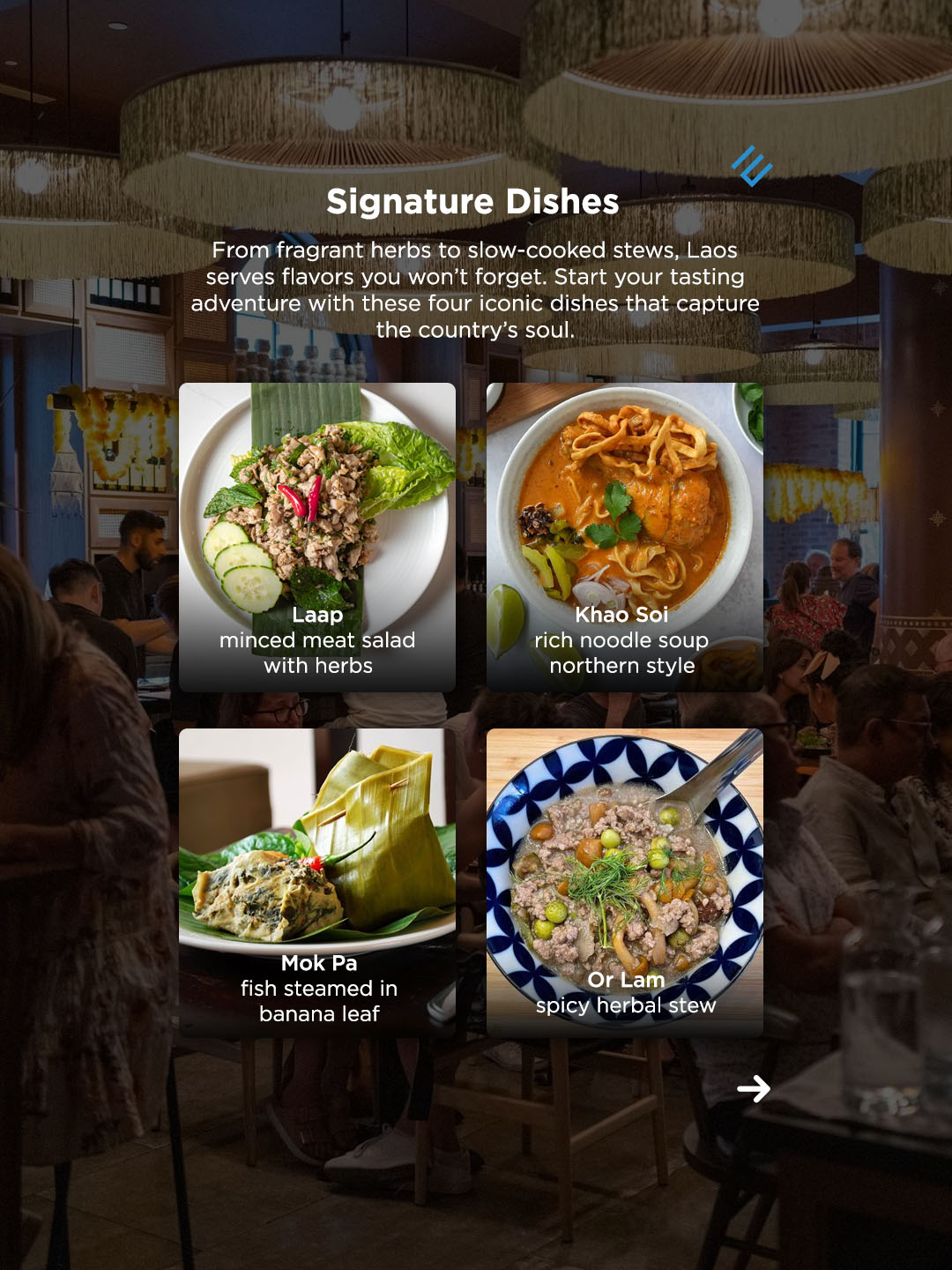
Laap — The National Dish

Laap is often described as the national pride of Laos. At first glance, it appears simple: minced meat mixed with herbs. But its flavor tells a far richer story.

Typically made with chicken, pork, beef, or fish, Laap combines:

  • Fresh mint and coriander

  • Lime juice

  • Fish sauce

  • Chili flakes

  • Toasted rice powder

The toasted rice powder gives Laap its signature texture and nutty aroma. The herbs add brightness. Lime provides acidity. Chili introduces warmth.

Laap is commonly served during celebrations — weddings, festivals, and family gatherings. It represents prosperity and unity.

One bite delivers contrast: cool herbs against spice, tang against savory depth. It is refreshing and bold at once.

Khao Soi — Northern Comfort in a Bowl

In northern Laos, especially around Luang Prabang, mornings often begin with Khao Soi.

Unlike the coconut-rich Thai version, Lao Khao Soi features a tomato-based broth simmered with minced pork, fermented soybean paste, and garlic. Hand-cut rice noodles soak up the rich flavors.

It is hearty but not heavy — ideal for cool mornings in the highlands.

Sitting in a small roadside stall with a steaming bowl of Khao Soi, you feel the warmth of the dish and the hospitality of its maker.

Mok Pa — Wrapped in Banana Leaf

Mok Pa reflects Laos’ intimate relationship with its rivers.

Fresh river fish is seasoned with lemongrass, kaffir lime leaves, chili, and herbs. It is then wrapped in banana leaves and gently steamed.

When unwrapped, fragrant steam rises softly — carrying the scent of forest and water.

Steaming preserves the fish’s natural sweetness, while the herbs infuse delicate complexity. The banana leaf adds a subtle, earthy aroma.

It is simple, elegant, and deeply local.

Or Lam — The Herbal Stew of Luang Prabang

In Vientiane, the riverside along the Mekong becomes a relaxed dining destination at sunset.

Food stalls and open-air restaurants serve grilled meats, papaya salad, sticky rice, and cold drinks as the sky turns golden.

There is no hurry. Conversations stretch long into the evening.

Dining here is about atmosphere as much as flavor.

Where to Taste Authentic Lao Flavors

From riverside evenings to bustling markets

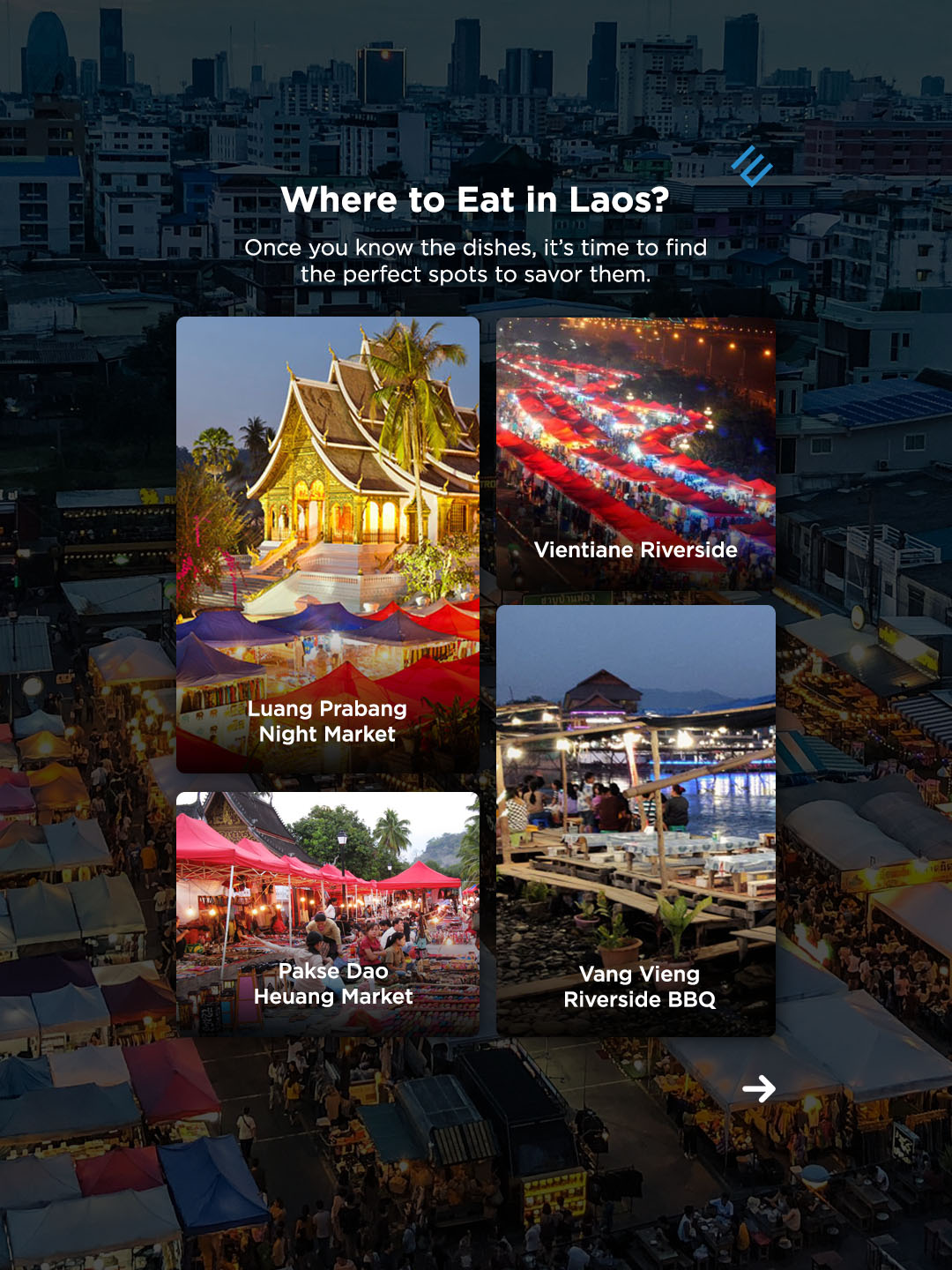
Vientiane Riverside

In Vientiane, the riverside along the Mekong becomes a relaxed dining destination at sunset.

Food stalls and open-air restaurants serve grilled meats, papaya salad, sticky rice, and cold drinks as the sky turns golden.

There is no hurry. Conversations stretch long into the evening.

Dining here is about atmosphere as much as flavor.

Luang Prabang Night Market

The Night Market in Luang Prabang is a sensory delight. Vegetarian buffets display colorful dishes, while grilled fish and coconut desserts tempt passersby.

Lantern lights illuminate temple rooftops nearby. Aromas drift through the evening air.

It is a place where travelers and locals mingle over shared flavors.


Pakse’s Dao Heuang Market

In southern Laos, Pakse offers Dao Heuang Market — a vibrant morning hub of produce, spices, and river fish.

Here you see the ingredients that shape Lao cuisine: bundles of mint, baskets of chilies, jars of fermented paste, and freshly caught fish glistening on ice.

It is the raw beginning of every dish.

Vang Vieng Riverside BBQ

In Vang Vieng, riverside barbecue spots offer grilled skewers and sticky rice against a backdrop of limestone mountains.

After a day exploring caves and rivers, smoky grilled meats taste especially satisfying.

It is casual, authentic, and deeply memorable.

Cooking in Luang Prabang

From tasting to understanding

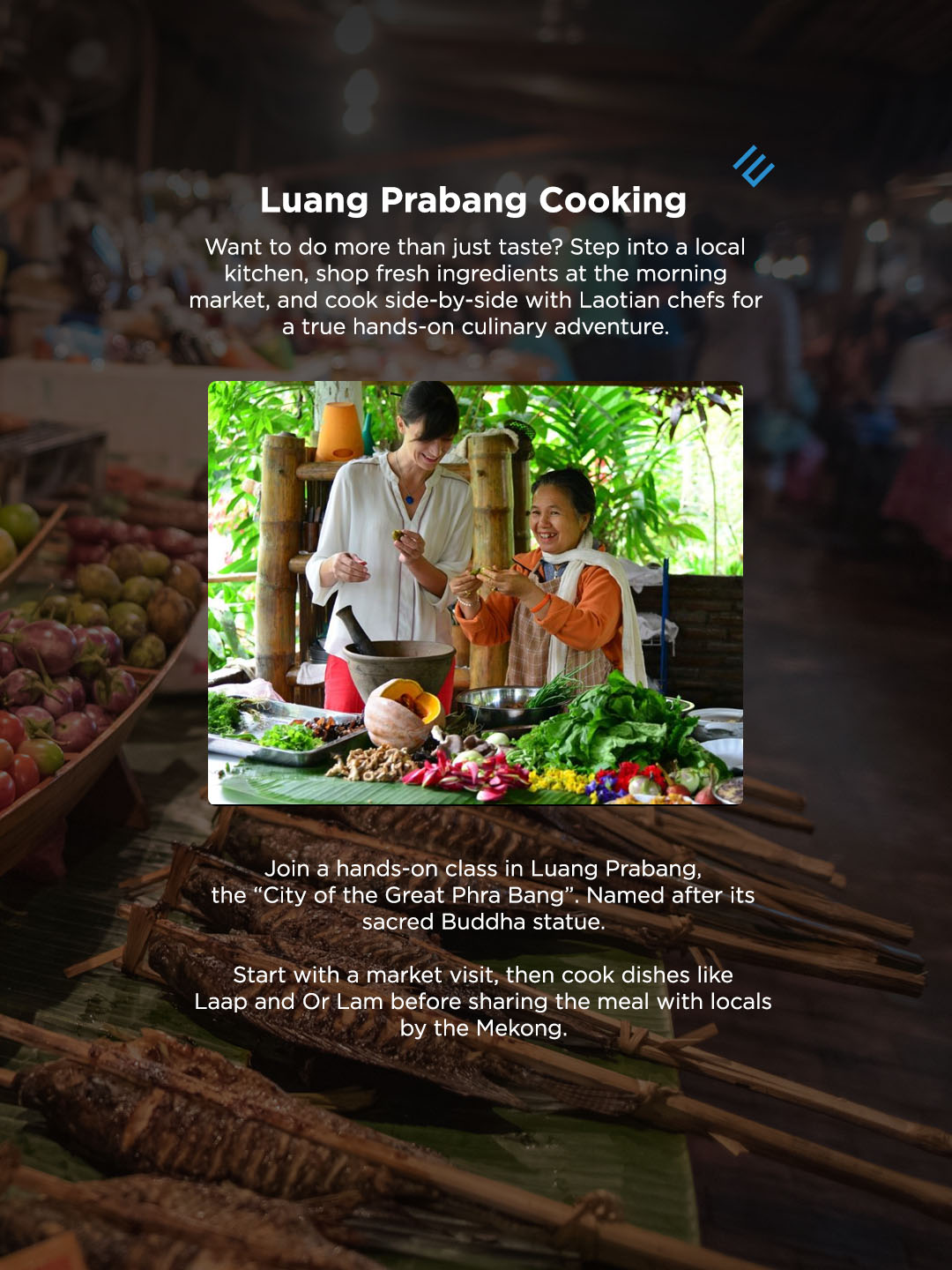
In Luang Prabang — often called “The City of the Great Phra Bang” — cooking classes offer a deeper connection to Lao culture.

A typical experience includes:

  • Visiting the morning market to select fresh herbs and fish

  • Learning traditional preparation techniques

  • Cooking dishes like Laap and Or Lam

  • Sharing your meal beside the Mekong River

Cooking here teaches more than recipes. It reveals patience, respect for ingredients, and the value of community.

It transforms travelers into participants

Tasting the Spirit of Laos

Laos does not overwhelm you with spectacle.
It welcomes you quietly.

Its cuisine mirrors that spirit — bold yet balanced, simple yet deeply meaningful.

From the herbal brightness of Laap to the warming depth of Or Lam, from riverside sunsets in Vientiane to lantern-lit nights in Luang Prabang, every meal becomes part of the journey.

When you eat in Laos, you taste more than flavor.
You taste landscape.
You taste tradition.
You taste connection.

And long after the journey ends, what remains is not just memory —

but the lingering warmth of a meal shared along the Mekong.

Thoughtfully Designed Journeys, Just for You

Start planning your thoughtfully designed journey with Axcell Travel Destination.

Europe’s Grape Harvest Season

From France to Italy, the Grapes Are Calling

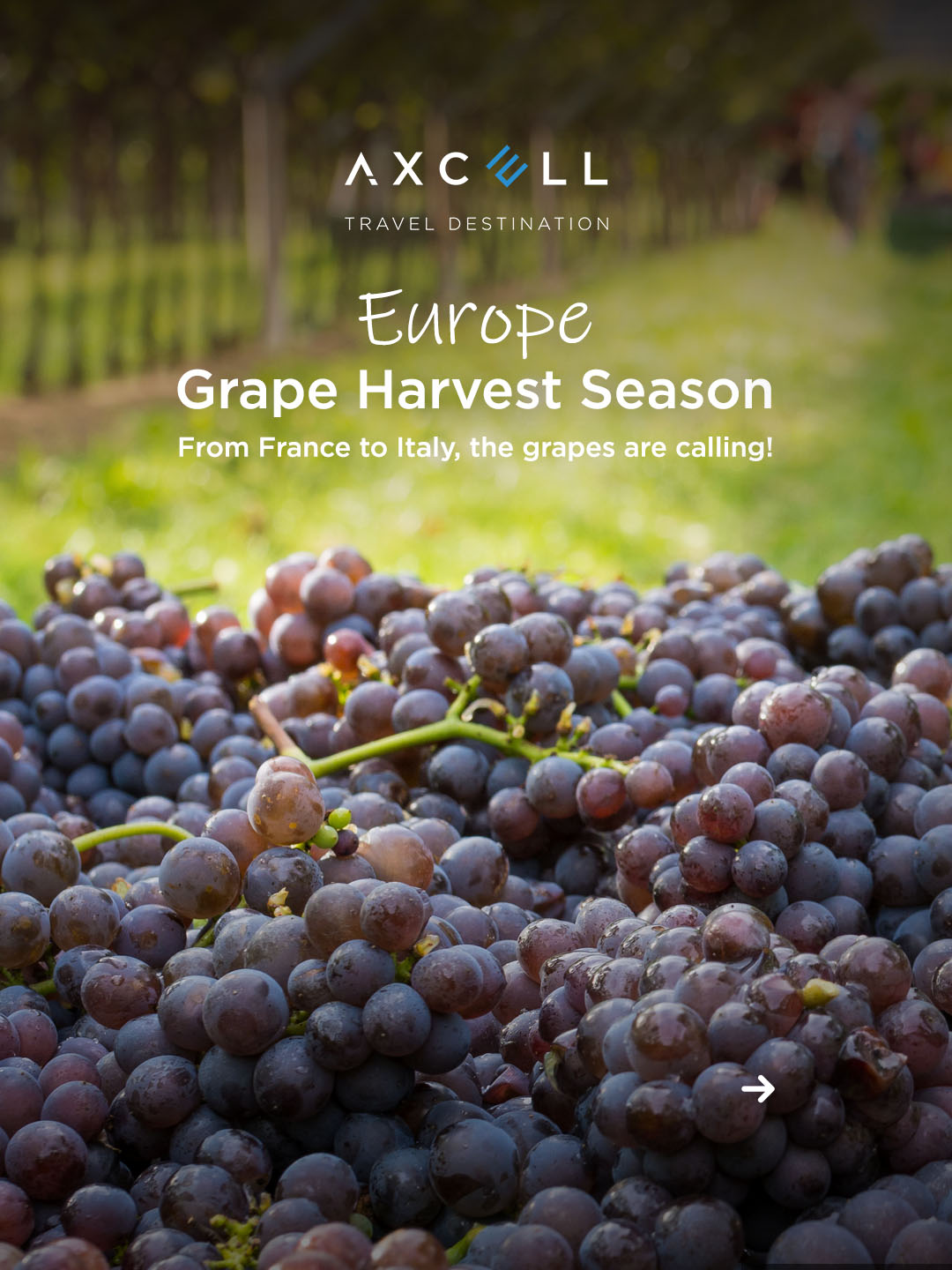
As summer softens into autumn, something magical happens across Europe’s most celebrated wine regions. Vineyards shift from quiet green landscapes into buzzing scenes of energy and tradition. Workers gather at sunrise. Church bells echo through villages. Wooden baskets fill with deep purple and golden fruit.

From late August to October, Europe enters grape harvest season—a time when agriculture, culture, and celebration blend into one of the continent’s most vibrant experiences.

Whether you dream of strolling through Bordeaux, cycling among the rolling hills of Tuscany, dancing in the streets of La Rioja, or admiring terraced vineyards in the Douro Valley, harvest season offers something unforgettable.

This is not just about wine.
It’s about heritage, community, and joy.

Timing & Traditions

When vineyards come alive

The Perfect Moment

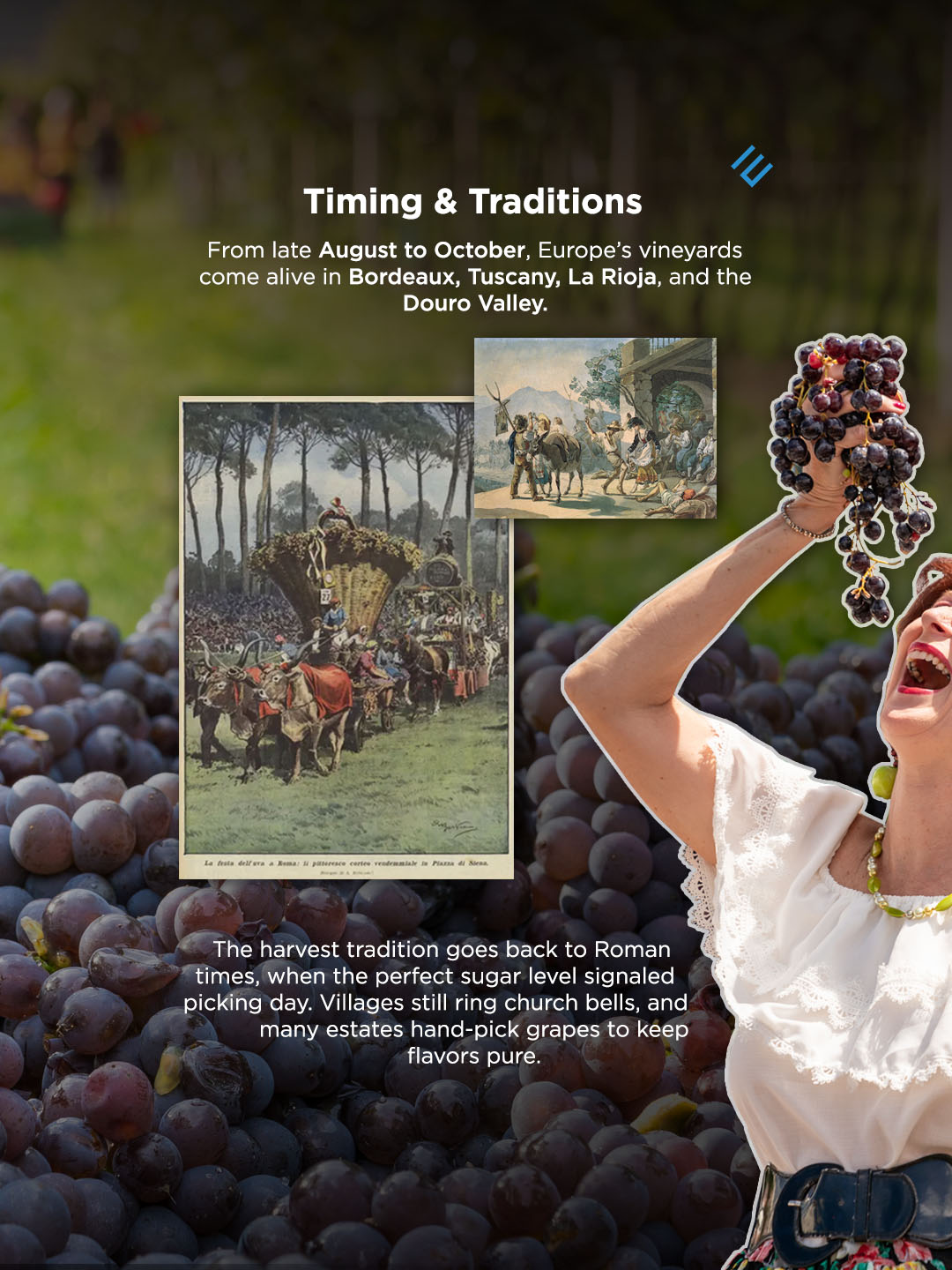
Harvest season depends on one crucial factor: sugar levels in the grapes.

Winemakers carefully monitor ripeness throughout summer. When grapes reach the ideal balance between sugar and acidity, picking begins. This decision can shift by days—or even hours—depending on weather conditions.

The tradition dates back to Roman times, when wine was already central to Mediterranean life. Even today, some vineyards rely on age-old methods to determine the perfect harvest day.

Villages in Celebration

In many European regions, harvest time feels like a communal ritual.

  • Church bells ring to announce the start of picking.

  • Families gather to work side by side.

  • Meals are shared in vineyard fields.

Despite modern machinery, many prestigious estates still hand-pick grapes. The goal is precision—selecting only the finest fruit to preserve flavor and character.

Harvest is not rushed. It is respected.

Pick, Dance & Sip

When work becomes a festival

While harvest is serious business for winemakers, it is also a celebration.

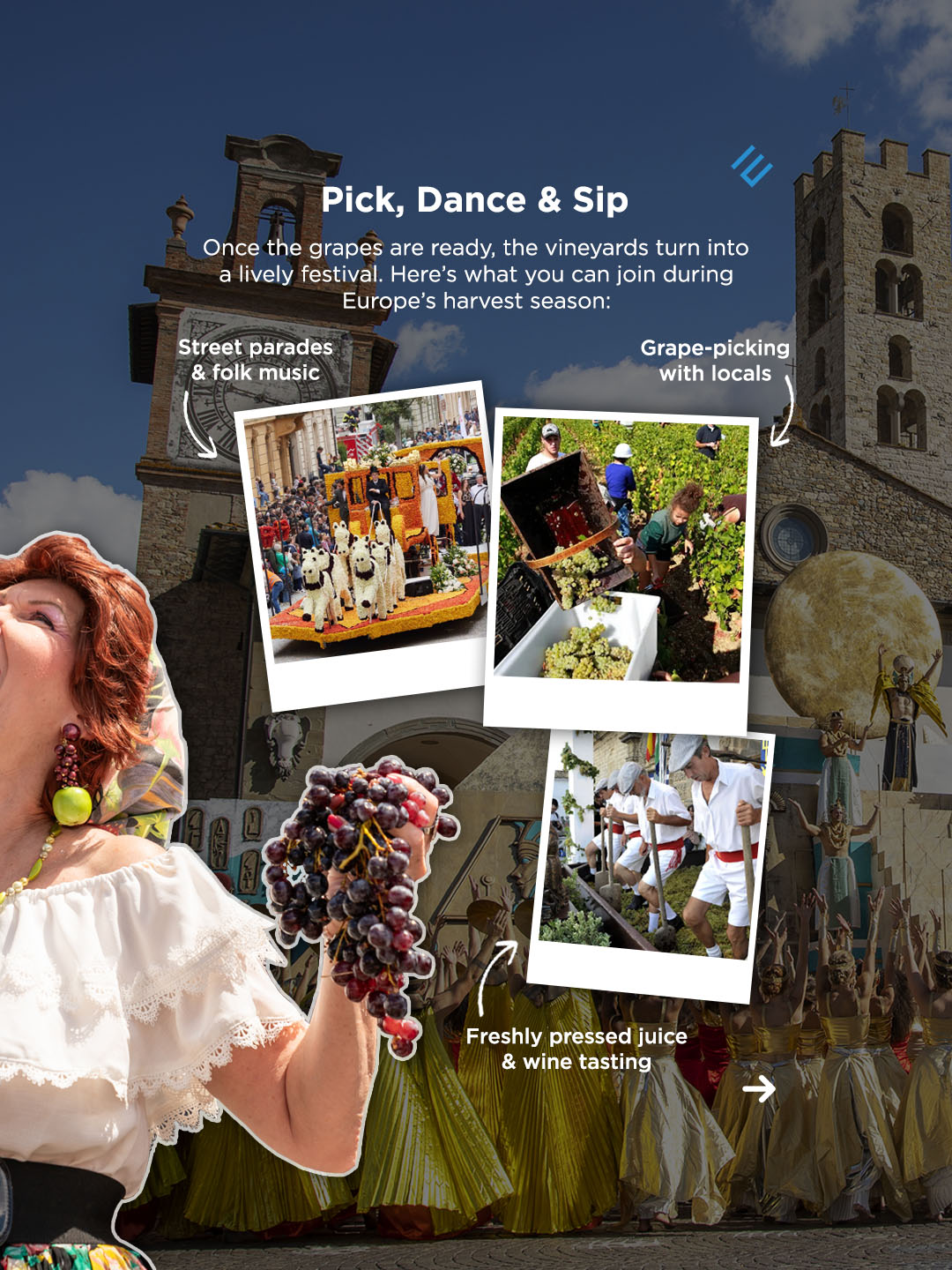
Join the Grape Picking

In certain regions, visitors can participate in grape harvesting.

With a basket in hand, you walk between vines heavy with fruit. The rhythm becomes almost meditative—cut, place, move, repeat.

It’s a rare opportunity to experience winemaking at its most authentic stage.

Street Parades & Folk Music

Once the day’s picking is done, villages often transform into lively gatherings.

Expect:

  • Traditional costumes

  • Folk music performances

  • Local street food

  • Dancing that continues into the evening

Harvest season blends rural charm with festive energy.

Freshly Pressed & Ready to Taste

Before wine fully ferments, you can taste freshly pressed grape juice—sweet, vibrant, and full of promise.

Wine tastings during harvest feel different. You’re not just sampling a finished product—you’re witnessing its beginning.

France - Vendanges

Elegance and tradition

In France, the grape harvest is known as Vendanges.

Regions like Bordeaux and Burgundy treat this period as sacred. Some châteaux open their doors for special tastings and vineyard tours.

In smaller towns, harvest parades fill cobblestone streets. Locals gather in celebration of both labor and legacy.

French harvest season reflects refinement—but also community spirit.

Italy - Festa dell’Uva

Colorful, joyful, unforgettable

In Italy, harvest becomes pure theater.

The Festa dell’Uva (Grape Festival) takes place in towns across Tuscany and beyond. Expect:

  • Decorated floats

  • Wine competitions

  • Food markets

  • Piazza celebrations

The Italian approach blends culinary passion with deep-rooted tradition. Wine flows freely. Laughter echoes through medieval streets.

Harvest here feels warm, social, and vibrant.

Spain - La Rioja Wine Harvest

Bold flavors, bold celebrations

Spain’s La Rioja region marks harvest season with energetic festivities.

Events may include:

  • Grape stomping ceremonies

  • Concerts and street parties

  • Regional wine tastings

Spanish harvest celebrations are lively and expressive, reflecting the bold character of Rioja wines themselves.

It’s impossible to stand still when music fills the square.

Portugal - Douro Grape Festival

Terraced beauty and timeless craft

The Douro Valley’s steep terraced vineyards create one of Europe’s most dramatic harvest landscapes.

During festival season, visitors can:

  • Join guided harvest experiences

  • Taste port wine in historic cellars

  • Explore riverside villages

Portugal’s harvest feels intimate and scenic—a blend of hard work and heartfelt tradition.

Why Harvest Season Is So Special

Harvest season offers something that typical wine tourism cannot.

You witness:

  • The labor behind every bottle

  • The timing and skill required

  • The emotional investment of winemakers

You feel connected not only to a place—but to its people.

It’s travel that engages all senses:

Sight: Rows of ripe grapes glowing in autumn light.
Sound: Church bells and laughter in village squares.
Taste: Fresh wine, rustic bread, local cheese.
Touch: Warm sun on your skin as you walk through vineyards.

Raise a Glass to Europe’s Most Vibrant Season

From France’s refined Vendanges to Italy’s joyful Festa dell’Uva, from Spain’s spirited Rioja celebrations to Portugal’s scenic Douro harvest, Europe’s grape season is more than an agricultural event.

It is a cultural moment.

It reminds us that wine is not just a drink—it is a story. A story shaped by soil, climate, and generations of tradition.

Traveling during harvest season allows you to witness that story unfold in real time.

So when late summer turns to autumn and vineyards glow with ripening fruit, consider answering the call.

Because somewhere in Europe, the grapes are ready.

And the celebration is waiting.

Thoughtfully Designed Journeys, Just for You

Start planning your thoughtfully designed journey with Axcell Travel Destination.

Japan’s Shinkansen

The Bullet Train Revolution

In 1964, the world watched as Japan introduced something extraordinary: the first high-speed rail line, known as the Shinkansen.

At a time when commercial aviation was still developing and most trains moved at conventional speeds, Japan launched a sleek, futuristic train that redefined what rail travel could be. It wasn’t just faster—it was safer, smoother, and astonishingly punctual.

More than six decades later, the Shinkansen remains one of the most advanced rail systems in the world. It is not merely transportation. It is a symbol of innovation, discipline, and national pride.

From 1964 to Today

How the Bullet Train Changed Rail Travel Forever

The Birth of a Revolution

The first Shinkansen line, the Tōkaidō Shinkansen, connected Tokyo and Osaka in time for the 1964 Tokyo Olympics. It instantly reduced travel time between Japan’s two largest cities and showcased Japan’s post-war technological progress to the world.

The train’s aerodynamic nose and streamlined design looked like something from the future. It earned the nickname “bullet train” because of its speed and shape.

More importantly, it proved that high-speed rail could be safe, reliable, and commercially successful.

Expanding Across the Nation

Today, the Shinkansen network stretches from the southern island of Kyushu to the northern reaches of Hokkaido.

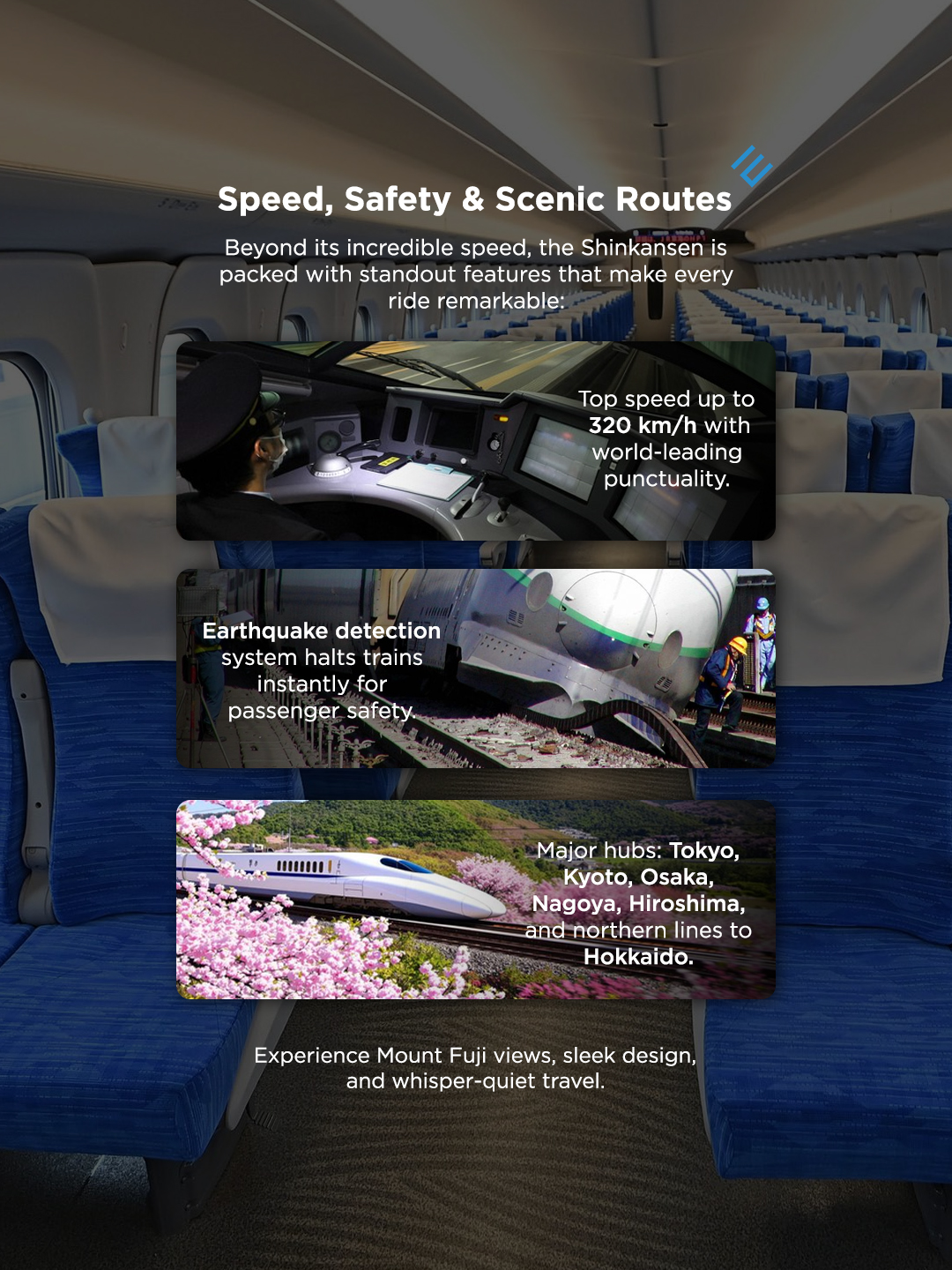
Major hubs include:

  • Tokyo

  • Kyoto

  • Osaka

  • Nagoya

  • Hiroshima

The network now includes more than nine train series, such as the N700, E5, and luxury Gran Class lines. Each generation introduces improvements in speed, aerodynamics, comfort, and energy efficiency.

What began as a single line has become the backbone of domestic travel in Japan.

Speed, Precision & Innovation

Engineering excellence at 320 km/h

World-Leading Speed

Modern Shinkansen trains reach top speeds of up to 320 km/h.

Yet speed alone does not define the experience. What truly sets the Shinkansen apart is its remarkable punctuality. Delays are measured in seconds, not minutes. Annual average delay times are famously minimal, often less than a minute.

For commuters, business travelers, and tourists alike, reliability is part of the system’s identity.

Earthquake Detection & Safety

Japan is one of the most earthquake-prone countries in the world. Designing a high-speed rail network in such conditions required extraordinary engineering.

The Shinkansen incorporates:

  • Advanced earthquake detection systems

  • Automatic emergency braking

  • Seismometers along tracks

If seismic activity is detected, trains halt instantly. Since its launch in 1964, the Shinkansen has maintained an exceptional safety record.

Speed never compromises security.

Scenic Routes & Unforgettable Views

More than just fast travel

One of the most magical aspects of riding the Shinkansen is the scenery.

Mount Fuji from Your Window

On the route between Tokyo and Osaka, passengers are often treated to spectacular views of Mount Fuji.

On clear days, the snow-capped peak rises dramatically in the distance—a postcard-perfect moment framed by large panoramic windows.

Unlike airplanes, which lift you above the clouds, the Shinkansen keeps you grounded in the landscape.

Whisper-Quiet Travel

Despite traveling at extraordinary speeds, the Shinkansen is remarkably quiet. The ride feels smooth, almost gliding. Conversations are comfortable. There’s minimal vibration.

The design prioritizes passenger comfort, combining efficiency with serenity.

Comfort on Board

Luxury and practicality combined

Seating Options for Every Traveler

Passengers can choose between:

  • Standard Class

  • Green Car (first-class equivalent)

  • Gran Class (premium luxury seating)

Gran Class cabins offer spacious reclining seats, attentive service, and complimentary meals on select routes.

Business travelers appreciate the efficiency. Tourists appreciate the comfort. Everyone appreciates the cleanliness.

A Culture of Courtesy

On board, you’ll notice something distinct: quiet respect.

Passengers speak softly. Phones are on silent. Cleanliness is immaculate. Staff bow as they enter and exit carriages.

This attention to detail reflects Japanese hospitality and cultural discipline.

A Model for the World

Influencing global rail systems

The Shinkansen set the blueprint for high-speed rail worldwide.

Countries across Europe and Asia have adopted similar systems inspired by Japan’s model. Yet the original remains iconic.

The bullet train is more than infrastructure—it’s a national achievement that reshaped mobility.

More Than a Train

The Shinkansen is not just about moving from one city to another.

It represents:

  • Precision engineering

  • Commitment to safety

  • Respect for passengers

  • Harmony between speed and calm

From its debut in 1964 to today’s sleek N700 and E5 series, the Shinkansen continues to evolve while staying true to its core principles.

When you board a bullet train in Japan, you’re not simply commuting—you’re participating in a legacy of innovation.

And as the countryside glides past your window at 320 km/h, you realize something extraordinary:

Sometimes the journey itself is the revolution.

Thoughtfully Designed Journeys, Just for You

Start planning your thoughtfully designed journey with Axcell Travel Destination.

Discover the Netherlands

A Cycling Paradise Like No Other

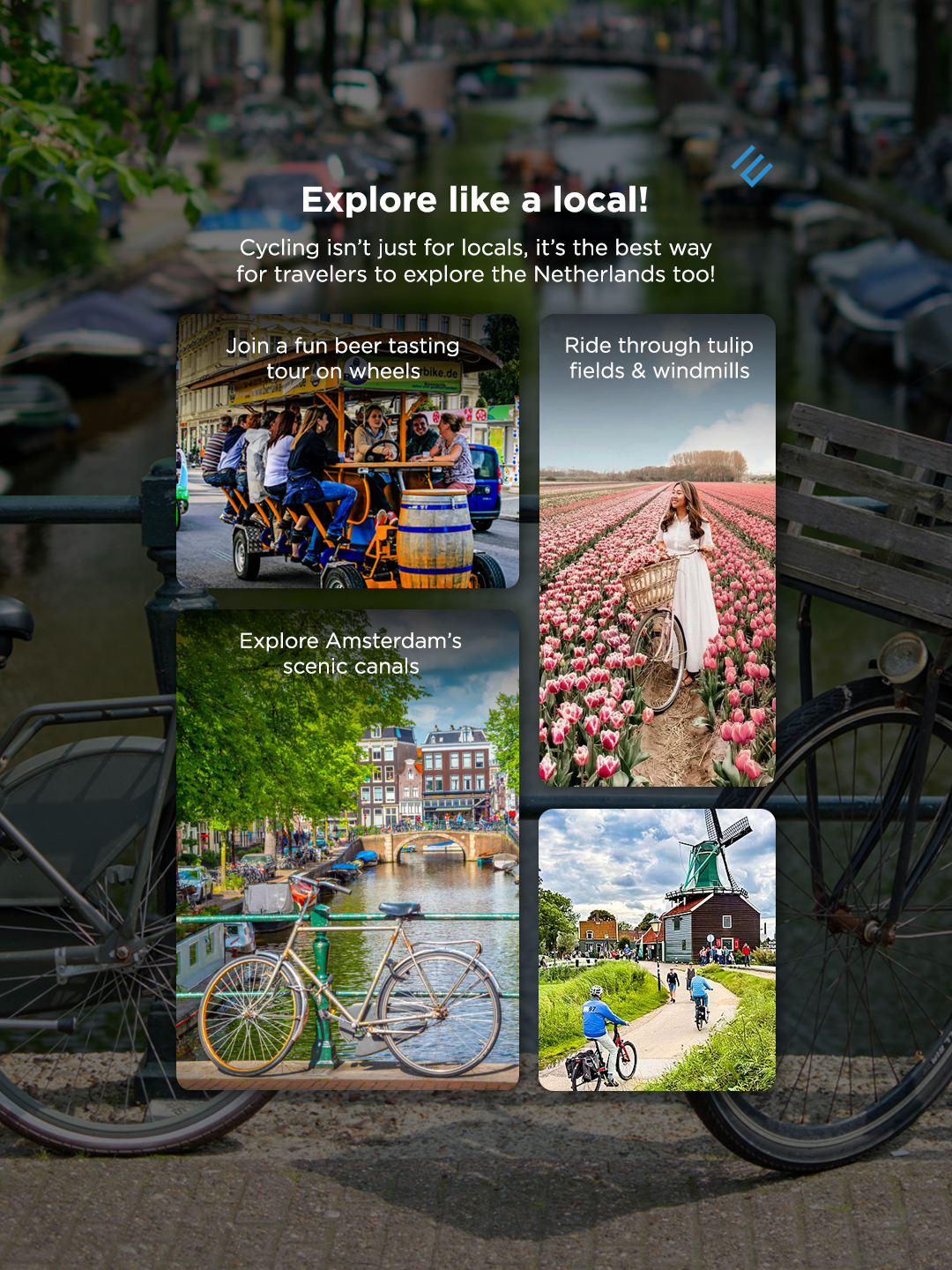
There’s a country where bicycles outnumber people.

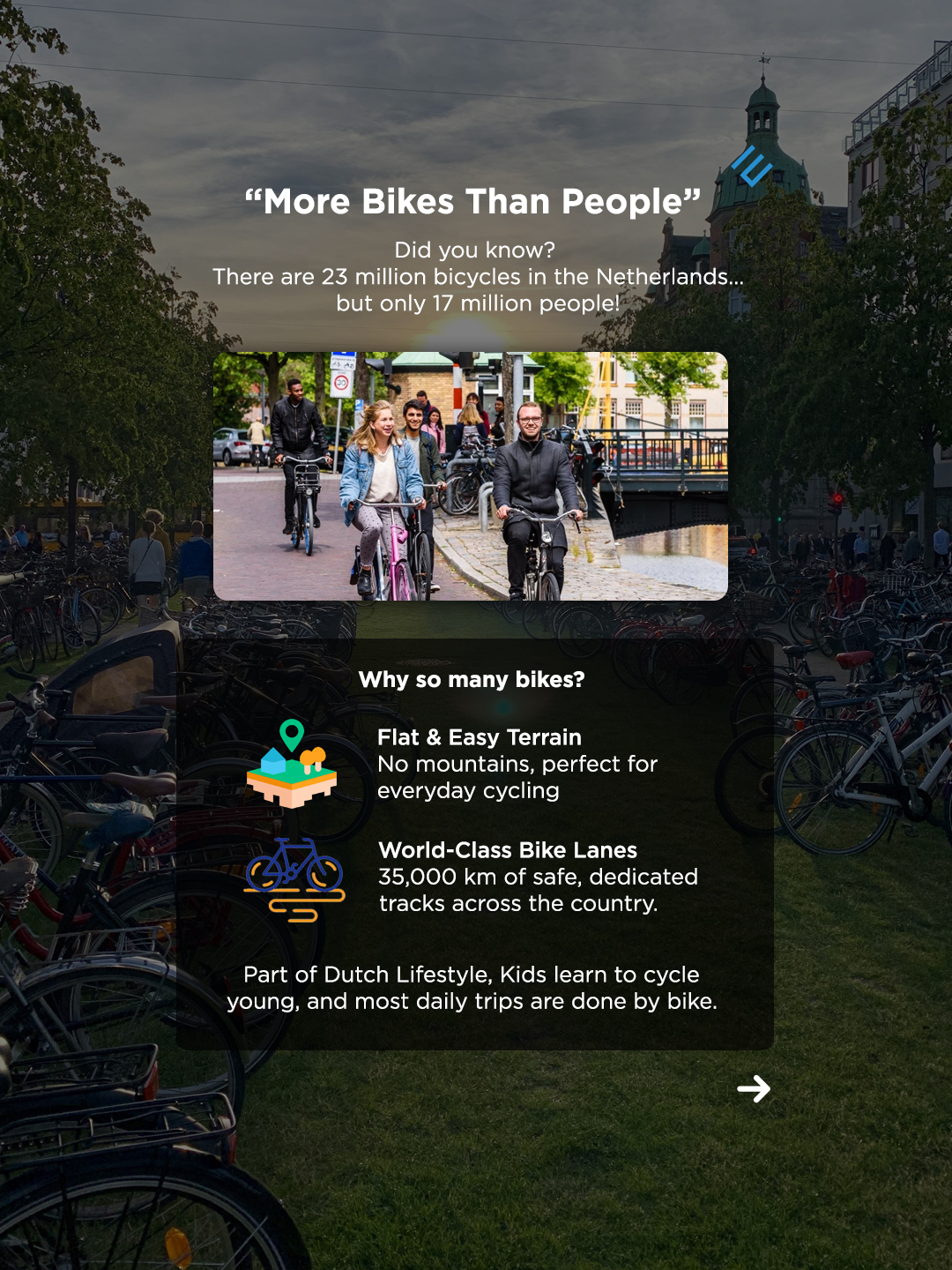
In the Netherlands, there are approximately 23 million bicycles for just 17 million residents. That’s more bikes than people—and it’s not just a fun statistic. It’s a way of life.

From city streets to countryside paths, cycling defines the Dutch experience. It shapes urban design, daily routines, and even national identity.

For travelers, it offers something even better: the chance to explore the Netherlands like a local—on two wheels.

Why So Many Bikes?
The perfect environment for pedaling

Flat & Easy Terrain

One of the biggest reasons cycling thrives in the Netherlands is geography.

The country is famously flat. There are no towering mountain ranges or steep hills to conquer. Instead, you’ll find smooth terrain stretching across towns, farmland, and coastal areas.

For commuters, this means:

  • No exhausting climbs

  • Comfortable daily rides

  • Easy navigation for all ages

Cycling here feels effortless.

World-Class Bike Infrastructure

The Netherlands boasts more than 35,000 kilometers of dedicated bike lanes.

These lanes are:

  • Clearly marked

  • Separate from car traffic

  • Maintained year-round

  • Designed with safety in mind

In many cities, bike lanes are wider than car lanes. Traffic lights, roundabouts, and intersections are built specifically for cyclists.

It’s not just bike-friendly—it’s bike-prioritized.

A Lifestyle from Childhood

Cycling is deeply woven into Dutch culture.

Children learn to ride at a young age. Parents transport kids in specially designed bike seats or cargo bikes. Teenagers commute to school on bicycles. Adults use bikes for groceries, work, and social outings.

Owning a bike isn’t a hobby—it’s normal.

It’s practical. Sustainable. Efficient.

Explore Amsterdam Like a Local

Canals, culture, and cobblestone charm

In Amsterdam, bicycles dominate the streets.

You’ll see:

  • Bikes parked along canal railings

  • Cyclists gliding past historic townhouses

  • Dedicated bike bridges crossing waterways

The city’s layout makes cycling not only convenient but scenic.

Ride Along the Canals

Amsterdam’s iconic canals offer some of the most picturesque cycling routes in Europe.

Pedaling along these waterways allows you to:

  • Admire 17th-century architecture

  • Stop at cozy cafés

  • Visit museums

  • Explore hidden neighborhoods

Unlike cars or buses, bikes allow you to move freely, stopping whenever something catches your eye.

Try a Beer Tasting Tour on Wheels

One uniquely Dutch experience? A guided cycling beer tour.

These tours combine:

  • Easy cycling routes

  • Stops at local breweries

  • Tastings of craft Dutch beers

It’s social, fun, and perfectly aligned with the relaxed Dutch lifestyle.

Beyond the City - Tulips & Windmills

The countryside calls

The magic of Dutch cycling extends far beyond urban streets.

Ride Through Tulip Fields

In spring, colorful tulip fields stretch across the countryside in vibrant reds, yellows, and purples.

Cycling through these landscapes feels surreal—like riding through a painting.

Unlike tour buses, bicycles allow you to:

  • Pause for photos

  • Explore smaller rural roads

  • Experience fresh countryside air

It’s intimate and immersive.

Visit Windmills by Bike

The Netherlands is famous for its historic windmills, especially at Kinderdijk.

Cycling routes connect windmills, rivers, and scenic farmland, offering peaceful journeys through open landscapes.

The combination of flat paths, fresh breeze, and historic views makes it ideal for travelers of all fitness levels.

Why Cycling Is Perfect for Travelers

Slow travel at its best

Freedom and Flexibility

Cycling gives you control over your pace.

You can:

  • Take shortcuts

  • Avoid traffic

  • Discover hidden alleys

  • Stop wherever inspiration strikes

It turns sightseeing into exploration.


Accessible for Everyone

You don’t need to be a professional cyclist.

Rental shops offer:

  • Standard city bikes

  • Electric bikes (e-bikes)

  • Child seats

  • Cargo bikes

Even first-time visitors quickly adapt to the rhythm of Dutch cycling culture.

Sustainable & Eco-Friendly

The Netherlands is known for its environmental consciousness. Choosing a bicycle aligns perfectly with sustainable travel values.

You reduce emissions, minimize congestion, and connect more closely with your surroundings.

A Culture Built Around Two Wheels

Cycling in the Netherlands isn’t trendy—it’s foundational.

Infrastructure, policy, and mindset all support this lifestyle. Cities are quieter, air is cleaner, and daily life feels less rushed.

It’s a reminder that transportation can be human-centered rather than car-dominated.

For visitors, this means experiencing cities that feel livable, not chaotic.

More Than Just a Mode of Transport

The Netherlands proves that a bicycle can shape an entire country.

From Amsterdam’s scenic canals to tulip-lined countryside paths and historic windmills, cycling transforms travel into something personal and immersive.

It slows you down just enough to notice the details—reflections on water, the scent of flowers, the sound of spinning wheels on pavement.

So when you visit the Netherlands, don’t just take photos from a bus window.

Rent a bike.
Follow the locals.
Let the road guide you.

Because in the Netherlands, the best way to explore isn’t by car or train—it’s by bicycle.

Thoughtfully Designed Journeys, Just for You

Start planning your thoughtfully designed journey with Axcell Travel Destination.

TOP 5 Train Hotels Around the World

Luxury on Rails - Where the Journey Becomes the Destination

In a world obsessed with speed, luxury train hotels offer something beautifully different: slow travel.

Instead of rushing through airports and crowded terminals, these legendary trains invite you to settle in, sip champagne, and watch the world glide past your window. They combine the romance of vintage rail journeys with five-star hospitality, transforming transportation into a fully immersive experience.

From Europe’s golden age glamour to high-altitude adventures in South America, here are five of the most iconic train hotels around the world.

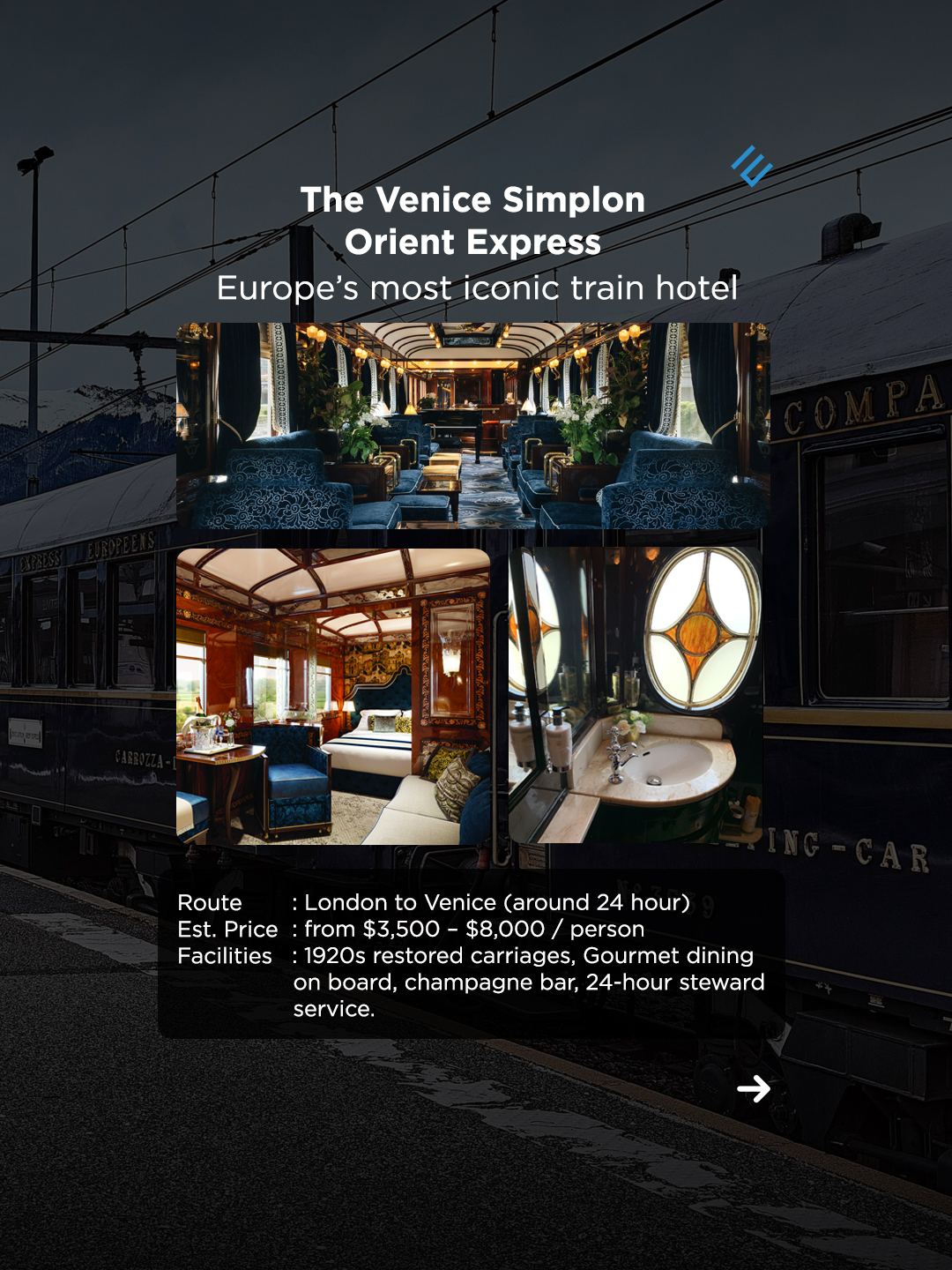
Venice Simplon-Orient-Express

Europe’s Most Iconic Train Hotel

Operated by Belmond, the Venice Simplon-Orient-Express is synonymous with timeless elegance.

Route & Experience

One of its most famous journeys runs from London to Venice, taking approximately 24 hours.

Passengers travel through rolling countryside and Alpine scenery while immersed in 1920s-inspired luxury.

Facilities & Highlights

  • Restored 1920s carriages

  • Gourmet dining crafted by expert chefs

  • Champagne bar

  • 24-hour steward service

Each cabin reflects Art Deco design, complete with polished wood panels and plush upholstery. Evenings often call for formal attire, enhancing the sense of stepping back into a golden era of travel.

Estimated Price

From approximately $3,500–$8,000 per person, depending on cabin category.

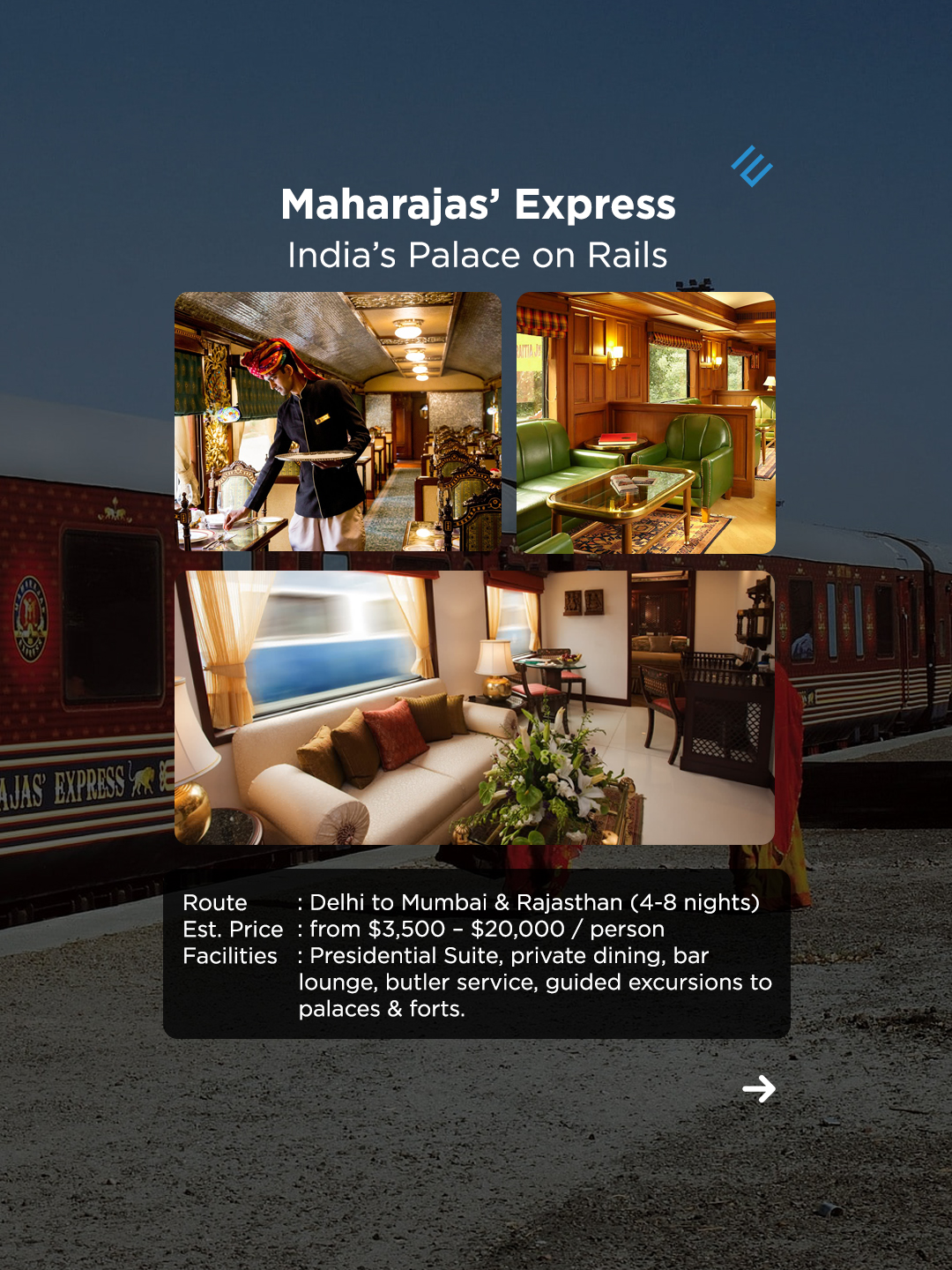
Maharajas’ Express

India’s Palace on Rails

The Maharajas’ Express redefines opulence on Indian railways.

Route & Duration

Popular routes include journeys from Delhi to Mumbai and across Rajasthan, lasting 4–8 nights.

Travelers explore iconic destinations such as Jaipur, Udaipur, and Agra along the way.

Facilities & Highlights

  • Presidential Suite

  • Private dining

  • Elegant bar lounge

  • Butler service

  • Guided excursions to palaces and forts

The interiors mirror royal palaces, with rich fabrics, ornate décor, and personalized service.

Estimated Price

From around $3,500 up to $20,000 per person for the Presidential Suite.

This is luxury at its grandest.

Rocky Mountaineer

The Window to the Canadian Rockies

For those who dream of dramatic mountain landscapes, the Rocky Mountaineer delivers unforgettable scenery.

Route & Duration

The train operates between Vancouver and destinations like Banff or Jasper in the Canadian Rockies, typically lasting 2–4 nights.

Facilities & Highlights

  • Glass-domed viewing coaches

  • Outdoor viewing platforms

  • Gourmet meals served at your seat

  • Storytelling hosts

Unlike overnight trains, Rocky Mountaineer allows passengers to sleep in partner hotels along the route, maximizing daylight viewing.

Estimated Price

From approximately $1,500–$6,000 per person, depending on service level.

The Blue Train

Africa’s Five-Star Hotel on Wheels

South Africa’s Blue Train has been synonymous with prestige since the 1940s.

Route & Duration

The classic journey runs between Pretoria and Cape Town, covering approximately 31 hours.

Facilities & Highlights

  • Luxury suites with private bathrooms

  • Personal butler service

  • Fine dining

  • Cigar lounge

  • Observation carriage

The Blue Train blends colonial-era romance with modern five-star comfort.

Estimated Price

From approximately $1,300–$3,500 per person.

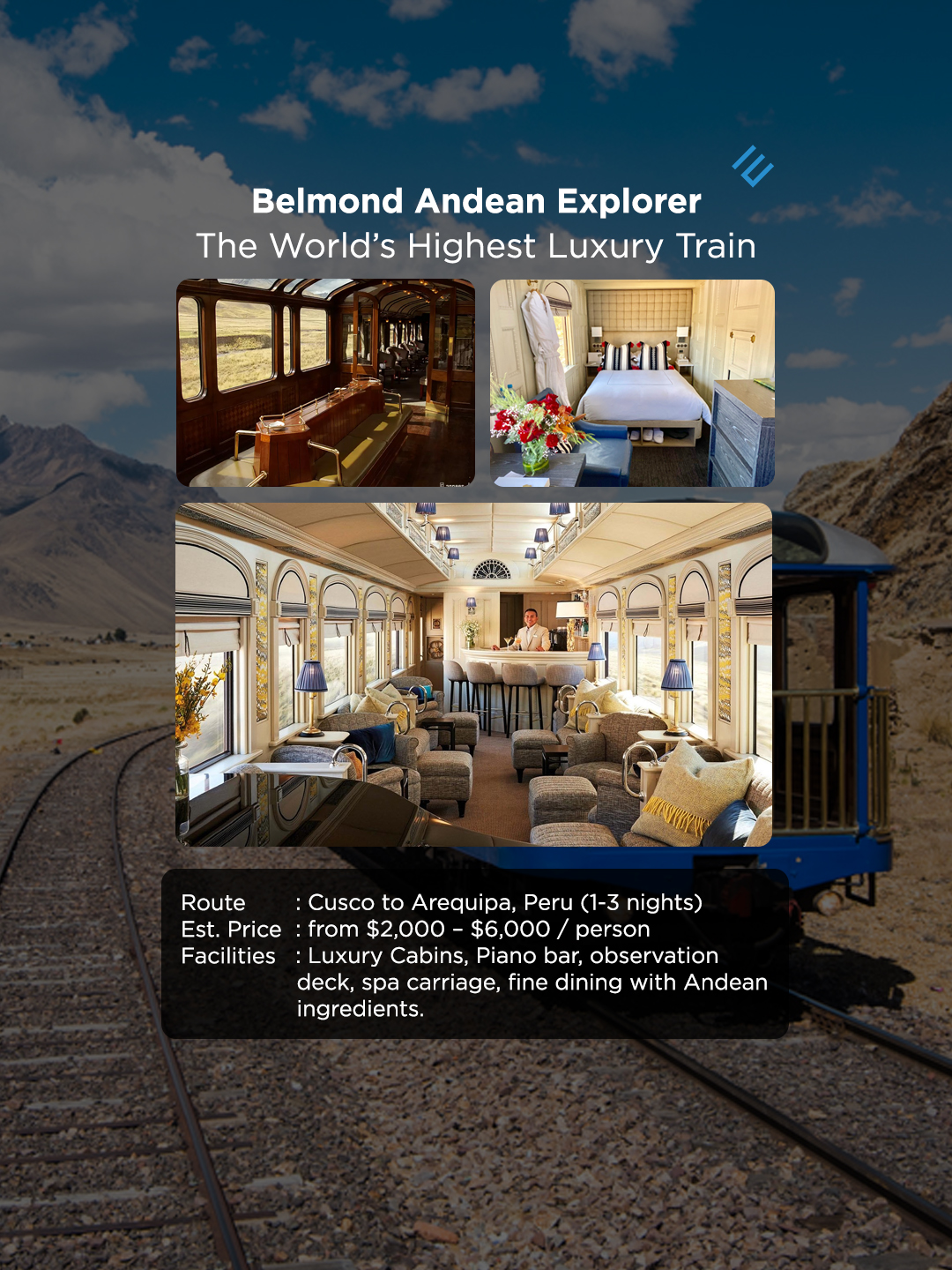
Belmond Andean Explorer

The World’s Highest Luxury Train

Also operated by Belmond, the Belmond Andean Explorer travels through the Peruvian Andes.

Route & Duration

Routes connect Cusco to Arequipa over 1–3 nights.

The journey crosses high-altitude plains, remote villages, and breathtaking Andean landscapes.

Facilities & Highlights

  • Luxury cabins

  • Piano bar

  • Observation deck

  • Spa carriage

  • Fine dining featuring Andean ingredients

Traveling at some of the highest railway altitudes in the world, this train offers both comfort and adventure.

Estimated Price

From approximately $2,000–$6,000 per person.

Why Choose a Train Hotel?

Luxury train travel offers something modern flights cannot:

  • Slow, immersive journeys

  • Scenic views uninterrupted by clouds

  • Personalized service

  • Elegant dining experiences

Rather than simply reaching a destination, the train becomes the destination.

Every sunrise over mountains, every countryside village passing by, becomes part of the story.

Where the Journey Is the Luxury

From Europe’s iconic Orient Express to India’s royal Maharajas’ Express, from Canada’s glass-domed Rocky Mountaineer to South Africa’s Blue Train and Peru’s Andean Explorer, these train hotels redefine travel.

They remind us that luxury isn’t just about five-star accommodation—it’s about atmosphere, storytelling, and timeless elegance.

In a fast-moving world, perhaps the ultimate indulgence is slowing down… and watching the world roll by from a beautifully appointed carriage.

Because sometimes, the most extraordinary destinations aren’t places.

They’re journeys.

Thoughtfully Designed Journeys, Just for You

Start planning your thoughtfully designed journey with Axcell Travel Destination.

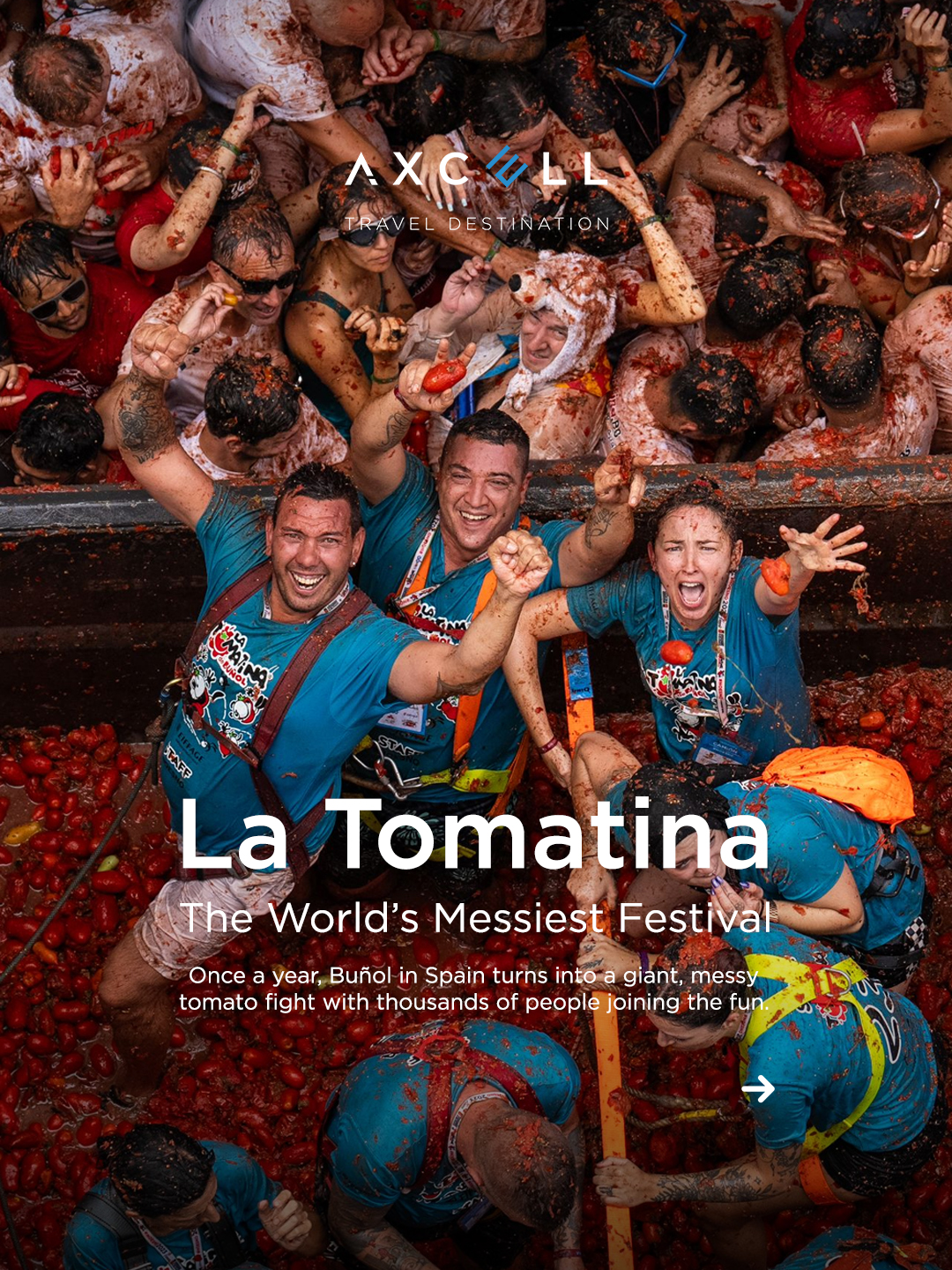
La Tomatina

The World’s Messiest Festival

Once a year, the quiet town of Buñol in Spain transforms into a sea of red.

Thousands of people gather. Trucks roll into narrow streets. And within minutes, over 100 tons of ripe tomatoes are flying through the air.

Welcome to La Tomatina — the world’s most famous food fight.

It’s messy.
It’s chaotic.
It’s unforgettable.

An Epic Tomato Fight in Buñol

From playful chaos to global tradition

How It All Began

La Tomatina dates back to 1945, when a playful street scuffle during a local parade led to participants grabbing vegetables from a nearby market stand and throwing them at one another.

What started as spontaneous mischief turned into an annual tradition.

Over time, the event gained popularity, eventually becoming internationally recognized. Today, more than 20,000 people participate each year.

One Hour of Pure Chaos

The festival takes place every last Wednesday of August.

Here’s how it unfolds:

  • Trucks loaded with tomatoes enter the town square.

  • A signal marks the official start.

  • For one hour, participants throw tomatoes at each other.

Within minutes, the streets are completely red.

The rule is simple: throw, dodge, laugh, repeat.

What Makes La Tomatina So Special?

More than just a food fight

A Shared Experience

Unlike many festivals centered around performances or spectatorship, La Tomatina is fully participatory.

There’s no stage.
No performers.
No audience.

Everyone becomes part of the action.

Strangers laugh together. Tourists and locals unite in playful chaos. Language barriers disappear under layers of tomato pulp.

A Town Transformed

For one hour, Buñol feels unrecognizable.

Cobblestone streets become slippery red rivers. Buildings are splashed with tomato juice. The air smells sweet and acidic.

It’s absurd. It’s surreal. And that’s exactly why people love it.

Ready to Get Messy? Here’s How to Survive

Smart tips for surviving the tomato storm

Participating in La Tomatina is thrilling—but preparation matters.

Wear Old Clothes

Your outfit will not survive.

Choose:

  • Old T-shirts

  • Worn sneakers

  • Lightweight fabrics

Tomatoes stain deeply. By the end of the hour, everything will be soaked and likely ruined.

Protect Your Eyes

Tomato juice is acidic and can sting.

Wearing goggles can help you:

  • See clearly

  • Avoid irritation

  • Stay comfortable

Visibility is important when tomatoes are flying from every direction.

Squash Before You Throw

One of the official rules: squash tomatoes before throwing them.

Whole tomatoes can be firm and potentially painful upon impact. Squashed tomatoes are soft and safe.

This small step keeps the chaos fun rather than harmful.

Bring Spare Clothes and a Towel

After the fight, dried tomato pulp becomes sticky and itchy.

Pack:

  • A change of clothes

  • A towel

  • Plastic bags for dirty items

You’ll be grateful afterward.

Follow Local Safety Rules

To keep everyone safe, participants must:

  • Avoid throwing hard objects

  • Stop immediately when the end signal sounds

  • Respect fellow participants

La Tomatina thrives on playful energy, not aggression.

From Red Streets to Sparkling Clean

How Buñol recovers

One of the most fascinating aspects of La Tomatina happens after the final tomato is thrown.

Within minutes, the town begins its cleanup transformation.

A Community Effort

Fire trucks spray powerful streams of water down the streets. Locals and volunteers sweep away pulp and debris.

Residents even open hoses from balconies to help wash down participants.

The entire town works together to restore normalcy.

A Surprisingly Clean Finish

Thanks to the natural acidity of tomatoes, the cobblestones end up cleaner than before.

By evening, the red rivers have disappeared.

If you arrived later that night, you might never guess a massive tomato battle had taken place just hours earlier.

Why La Tomatina Continues to Fascinate the World

La Tomatina may seem silly on the surface—but its global popularity speaks to something deeper.

In a world often defined by rules and routine, this festival celebrates:

  • Playfulness

  • Spontaneity

  • Shared laughter

For one hour, adults are allowed to be carefree again.

No expectations.
No performance.
Just joy.

A Celebration of Joy in the Mess

La Tomatina isn’t about tomatoes.

It’s about stepping into the unexpected.

It’s about surrendering to laughter, embracing chaos, and sharing an unforgettable moment with thousands of people from around the world.

For one messy, magnificent hour, Buñol becomes a symbol of carefree celebration.

And when the streets return to normal and the red washes away, what remains isn’t the stain—it’s the memory.

Would you dare to join the world’s messiest festival?

Because sometimes, the best travel stories begin with a little chaos… and a lot of tomatoes.

Thoughtfully Designed Journeys, Just for You

Start planning your thoughtfully designed journey with Axcell Travel Destination.

3 Countries You Can’t Reach by Plane

Tiny Nations with Big Stories — No Runway Required

When we think of international travel, we usually imagine boarding a flight directly to our destination. Airports feel like the universal gateway to the world. But what if your destination doesn’t even have a runway?

Believe it or not, there are countries so small—or so geographically unique—that they don’t have a single airport within their borders. And yet, thousands (even millions) of visitors travel to them every year.

These destinations prove something fascinating: you don’t always need a plane to reach somewhere extraordinary.

Here are three countries you can’t fly into directly—but are absolutely worth the journey.

Vatican City

The world’s smallest country

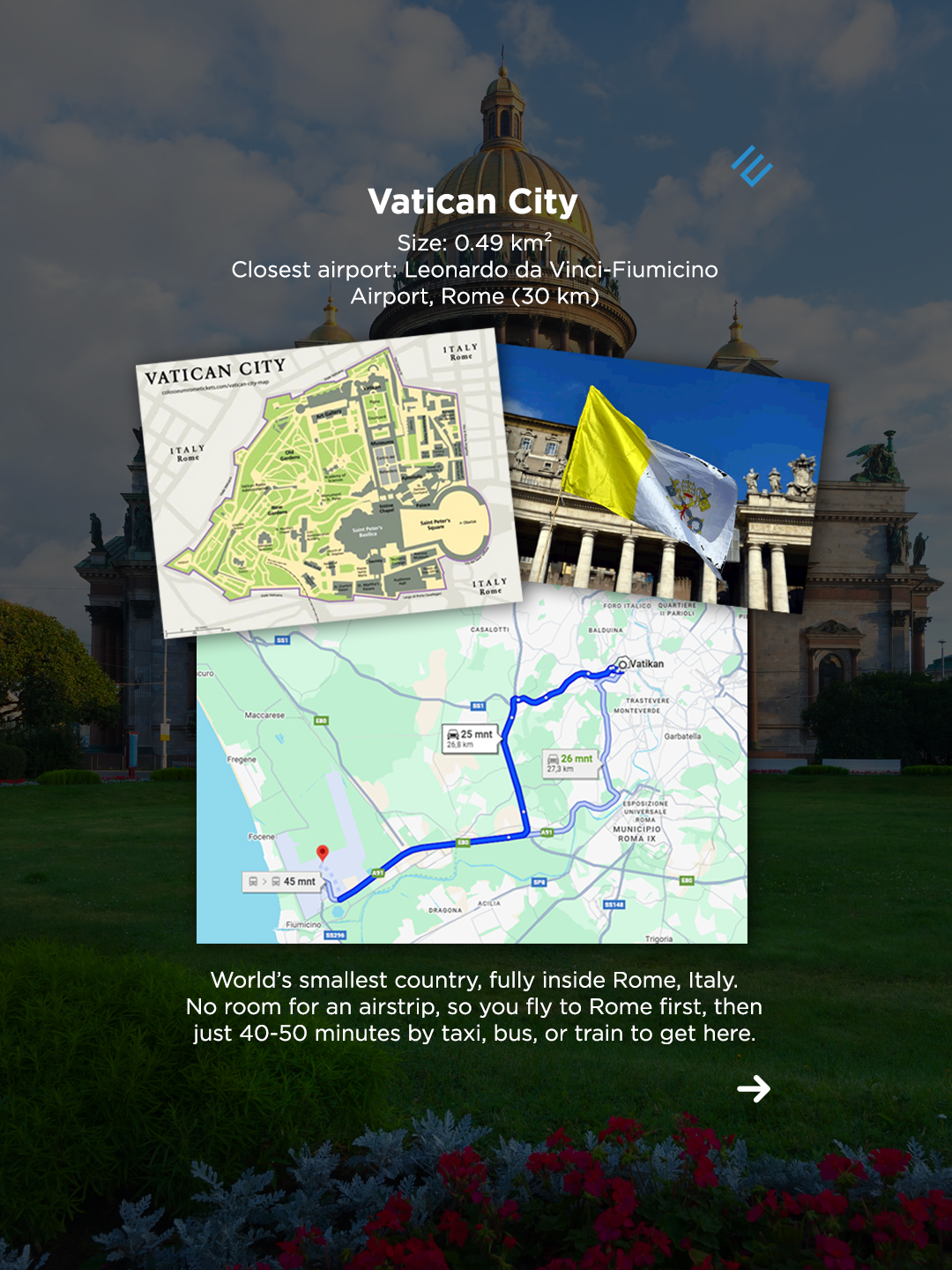
At just 0.49 km², Vatican City holds the title of the smallest country in the world.

Located entirely within Rome, Vatican City has no airport, no train station, and no space for a runway.

Why There’s No Airport

Simply put—there’s no room.

Vatican City is surrounded on all sides by Rome. Its territory consists mainly of:

  • St. Peter’s Basilica

  • The Vatican Museums

  • St. Peter’s Square

  • Administrative buildings

With such limited land area, constructing an airstrip is impossible.

How to Get There

The closest airport is Leonardo da Vinci–Fiumicino Airport, located about 30 kilometers from Vatican City.

After landing in Rome, travelers can reach Vatican City in about 40–50 minutes by:

  • Taxi

  • Bus

  • Train

  • Metro

Since Vatican City is essentially inside Rome, entering it feels seamless.

Why People Visit

Despite its tiny size, Vatican City attracts millions each year for its spiritual, historical, and artistic significance.

Visitors come to see:

  • St. Peter’s Basilica

  • The Sistine Chapel

  • Michelangelo’s masterpieces

  • Papal ceremonies

Small in size, monumental in influence.

Monaco

Luxury without a runway

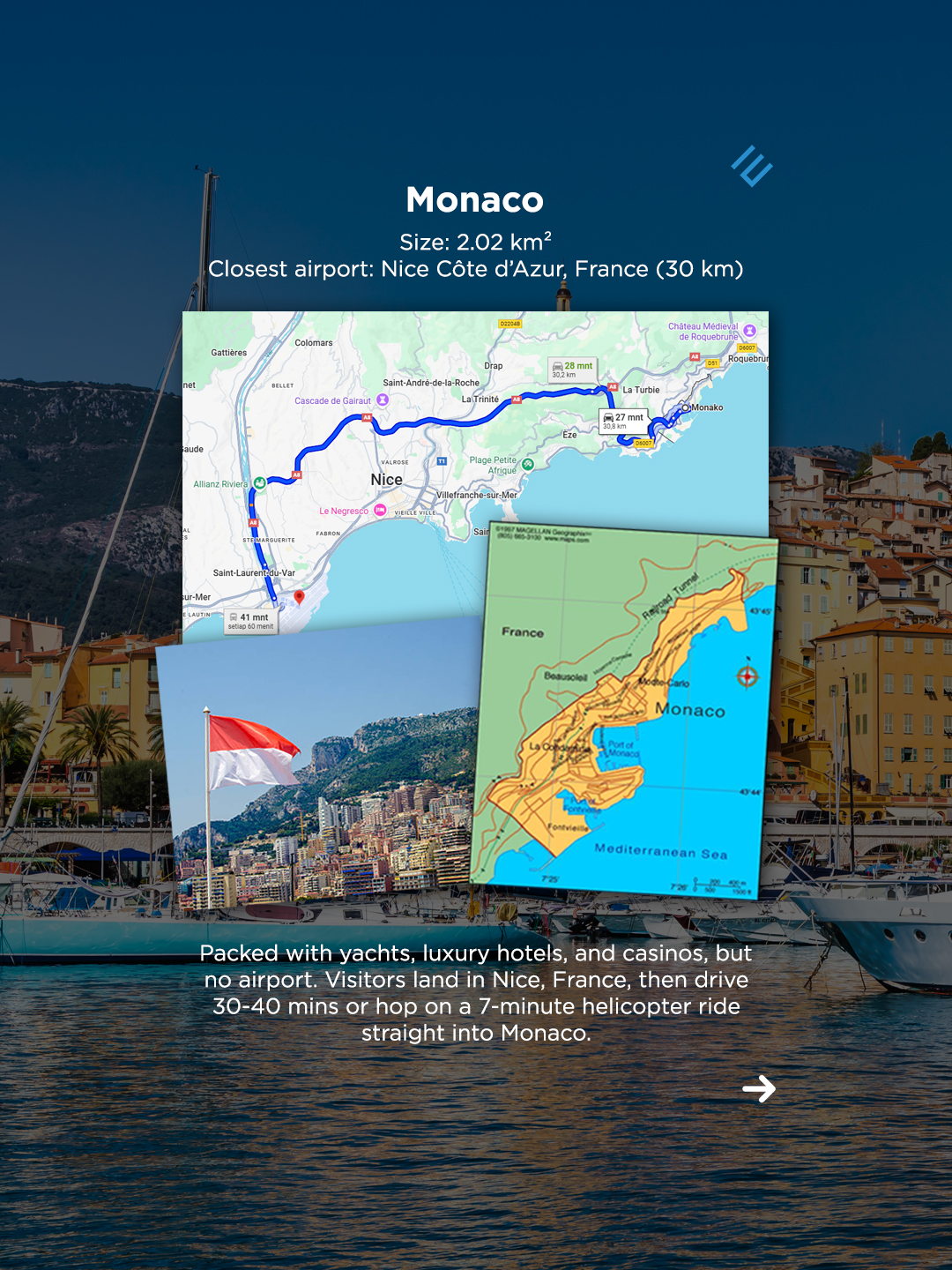
Covering just 2.02 km², Monaco is the second-smallest country in the world.

Known for yachts, casinos, Formula 1 racing, and glamorous Mediterranean views, Monaco may look like a place where private jets land daily—but it actually has no airport.

Why Monaco Has No Airport

Monaco is densely built along steep hillsides overlooking the sea. There’s simply no flat land large enough for a runway.

Every square meter is dedicated to residences, luxury hotels, and iconic attractions like:

  • The Monte Carlo Casino

  • The harbor filled with superyachts

  • Scenic coastal roads

Space is a premium luxury here.

How to Get There

Most visitors fly into Nice Côte d’Azur Airport in France, about 30 kilometers away.

From Nice, travelers can reach Monaco by:

  • Car (30–40 minutes)

  • Train (scenic coastal ride)

  • Helicopter transfer (around 7 minutes)

Yes—a helicopter ride is one of the fastest ways to arrive.

Why People Love Monaco

Despite its size, Monaco offers:

  • Mediterranean elegance

  • High-end shopping

  • Stunning cliffside views

  • International events

It’s a microstate with a global reputation.

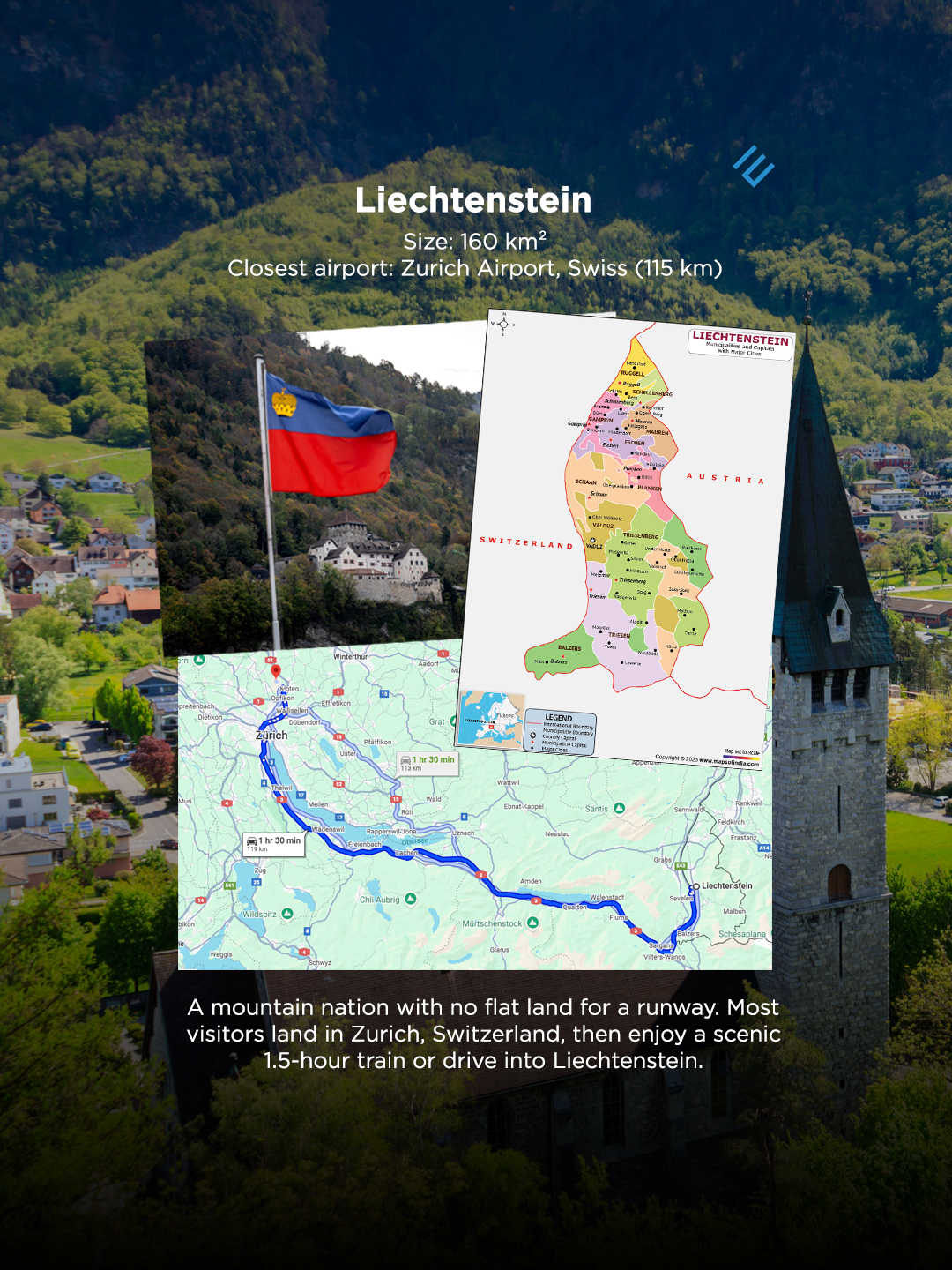
Liechtenstein

A mountain nation without a runway

At 160 km², Liechtenstein is significantly larger than Vatican City or Monaco—but still has no airport.

Nestled between Switzerland and Austria, this alpine country is known for its dramatic mountain landscapes and peaceful atmosphere.

Why There’s No Airport

Liechtenstein’s terrain is mountainous, with very limited flat land suitable for constructing a runway.

Its geography is defined by:

  • Alpine peaks

  • Narrow valleys

  • The Rhine River

Building a commercial airport here would be both difficult and unnecessary given its proximity to larger neighboring countries.

How to Get There

Most travelers fly into Zurich Airport in Switzerland, approximately 115 kilometers away.

From Zurich, visitors can reach Liechtenstein in about 1.5 hours by:

  • Train

  • Bus

  • Car

The journey itself is scenic, passing through Swiss countryside and mountain views.

Why Visit Liechtenstein?

Liechtenstein offers:

  • Charming villages

  • Alpine hiking trails

  • Castle views

  • A peaceful, low-key European escape

It’s an ideal destination for travelers who appreciate nature and quiet sophistication.

Why These Countries Thrive Without Airports

In today’s aviation-driven world, it might seem surprising that a country could function—and flourish—without its own airport.

But these three nations prove that:

  • Proximity to major cities matters.

  • Efficient transport links compensate for size.

  • Unique identity attracts visitors regardless of infrastructure.

Being small doesn’t mean being inaccessible.

In fact, the journey often becomes part of the experience.

Arriving in Vatican City after walking through Rome’s historic streets…
Driving along the Mediterranean coast into Monaco…
Taking a scenic train through Swiss landscapes before entering Liechtenstein…

Each arrival feels intentional.

Travel Isn’t Always About Direct Flights

Vatican City, Monaco, and Liechtenstein may not have airports—but they have something far more valuable: character.

They remind us that travel isn’t only about convenience. Sometimes, the most memorable destinations require an extra step—a short train ride, a scenic drive, or even a helicopter hop.

And perhaps that’s part of their charm.

No runway.
No direct landing.
But plenty of reasons to visit.

Because in the end, the journey to reach a place often makes the arrival even more meaningful.

Why Guided Exploration Makes a Difference

To explore Machu Picchu beyond surface beauty requires insight. Knowledge of history, symbolism, and cultural context transforms a visit into a narrative experience. A guided journey reveals connections between structures, explains alignments with the sun and mountains, and brings clarity to what might otherwise feel overwhelming.

With expert guidance, moments gain meaning. A stone becomes a calendar. A window becomes an astronomical marker. A terrace becomes evidence of agricultural brilliance.

This is how Machu Picchu shifts from being impressive to being unforgettable.

Travel with Intention, Not Just Itineraries

Machu Picchu is not a destination to rush. Weather, light, and timing all influence how the site reveals itself. Early mornings offer mist and quiet. Midday brings clarity and color. Late afternoons soften the landscape with golden tones.

A thoughtfully designed itinerary allows space for these changes—balancing exploration with reflection. It respects the site, the environment, and the traveler’s experience.

This approach turns a visit into a journey of meaning rather than a checklist of sights.

A Place That Changes How You See the World

Many travelers describe Machu Picchu as transformative. Not because of grandeur alone, but because of what it represents: a civilization that achieved sophistication through harmony rather than dominance.

Standing among the ruins, surrounded by peaks and sky, perspective shifts. Modern concerns feel smaller. Time feels deeper. The experience becomes emotional, not just visual.

Machu Picchu leaves an imprint—not on your camera roll, but on your understanding of human possibility.

Craft Your Story Beyond the View

Want to explore Machu Picchu beyond the postcard views?
A journey this meaningful deserves careful design—one that uncovers hidden stories, respects the land, and allows moments to unfold naturally.

With Axcell Travel Destination, your Machu Picchu experience can be crafted with expert insight and personal intention. From guided exploration to seamless logistics, every detail is designed to deepen understanding and connection.

📩 DM us for a personalized Machu Picchu experience.

Because Machu Picchu isn’t just something you visit.
It’s a story you step into—one written in stone, cloud, and human imagination.

Thoughtfully Designed Journeys, Just for You

Start planning your thoughtfully designed journey with Axcell Travel Destination.