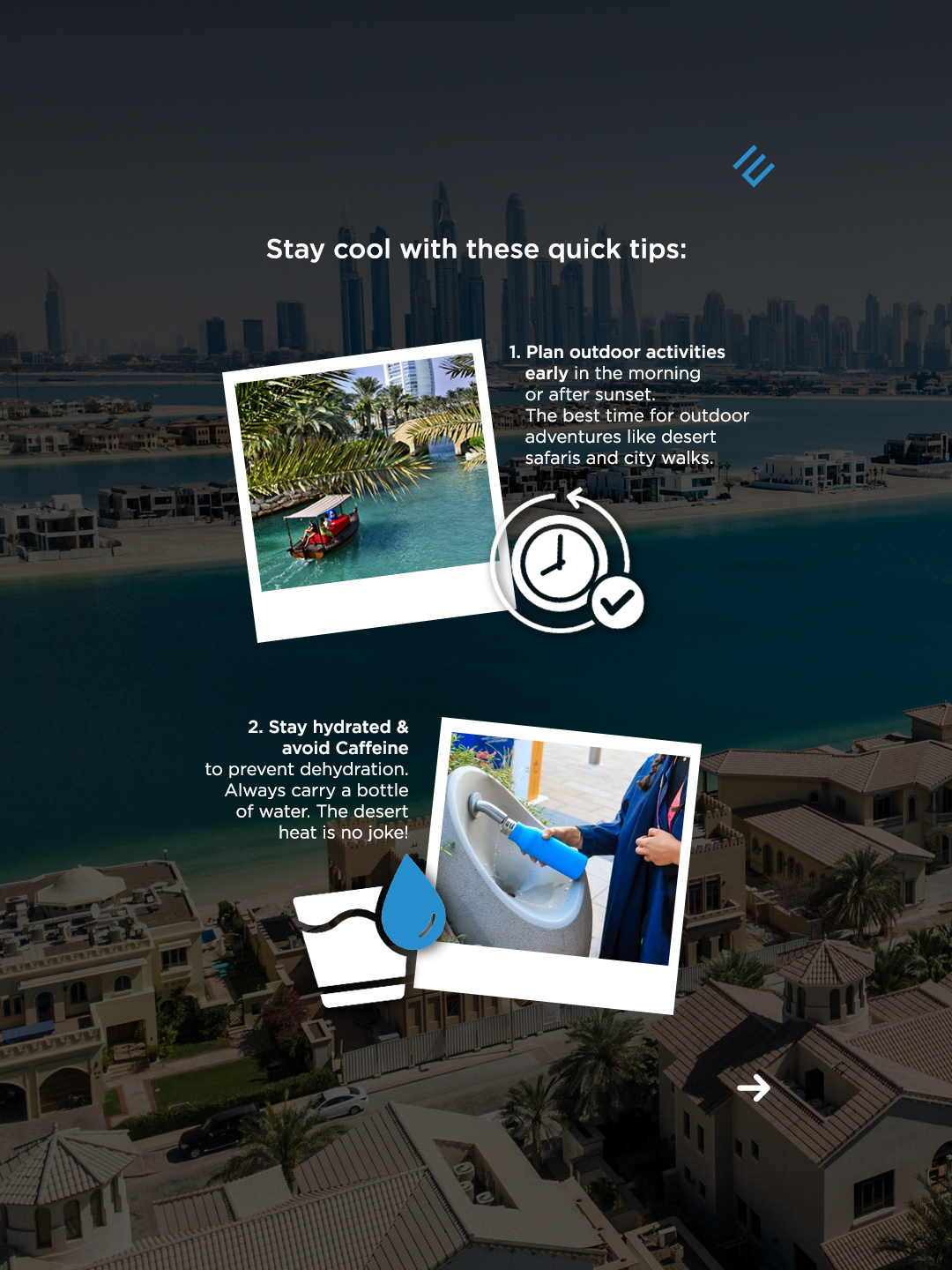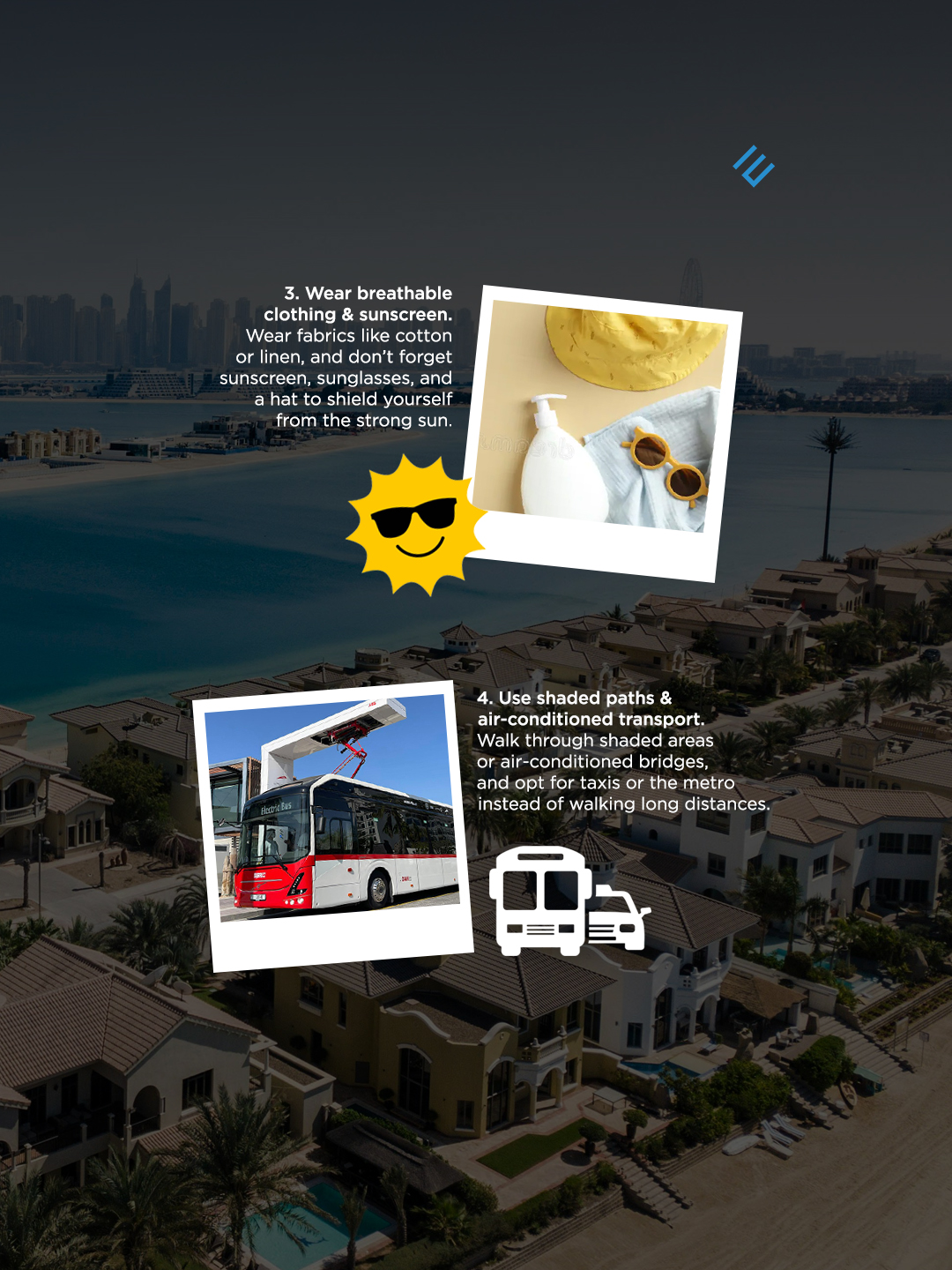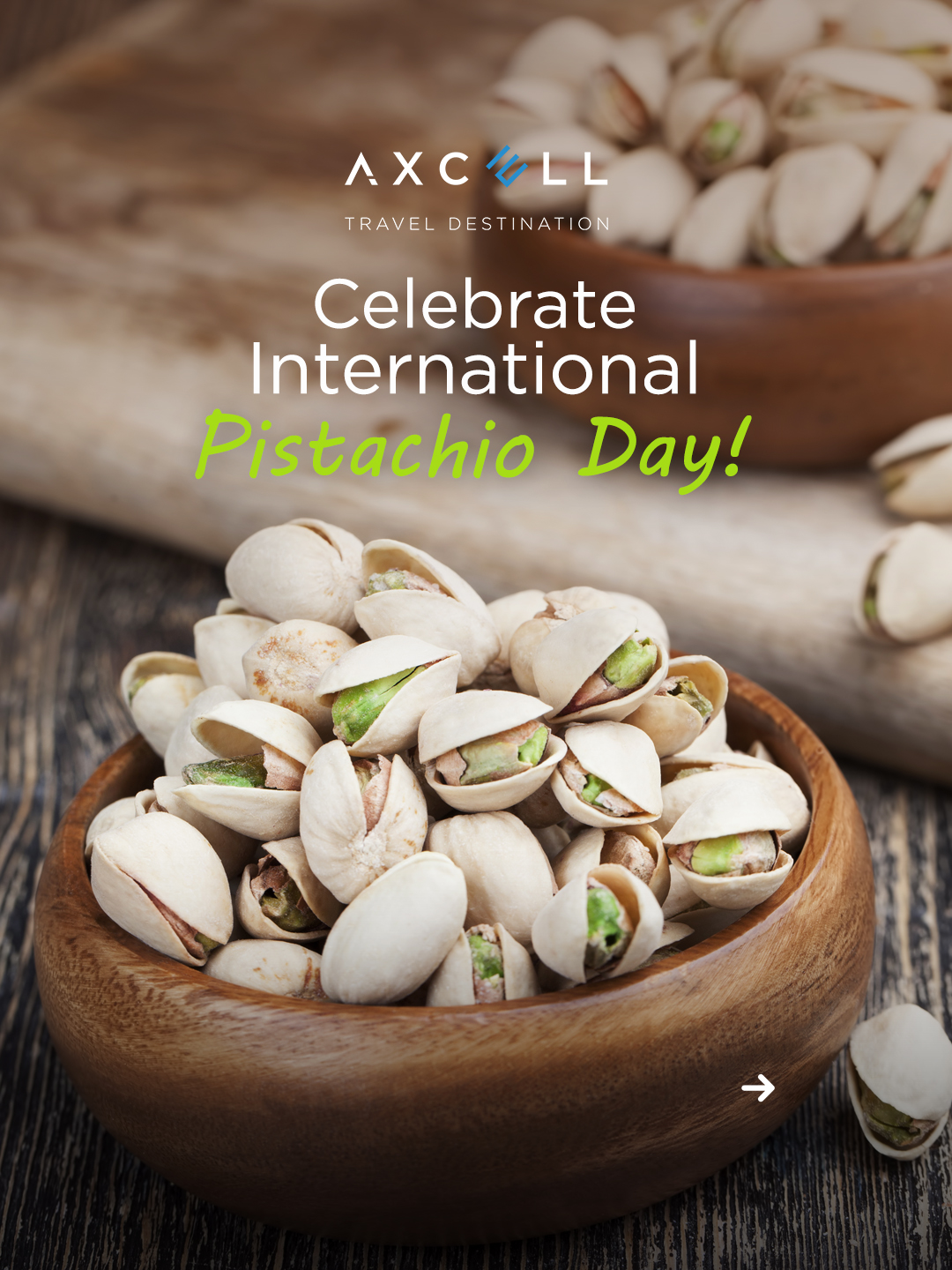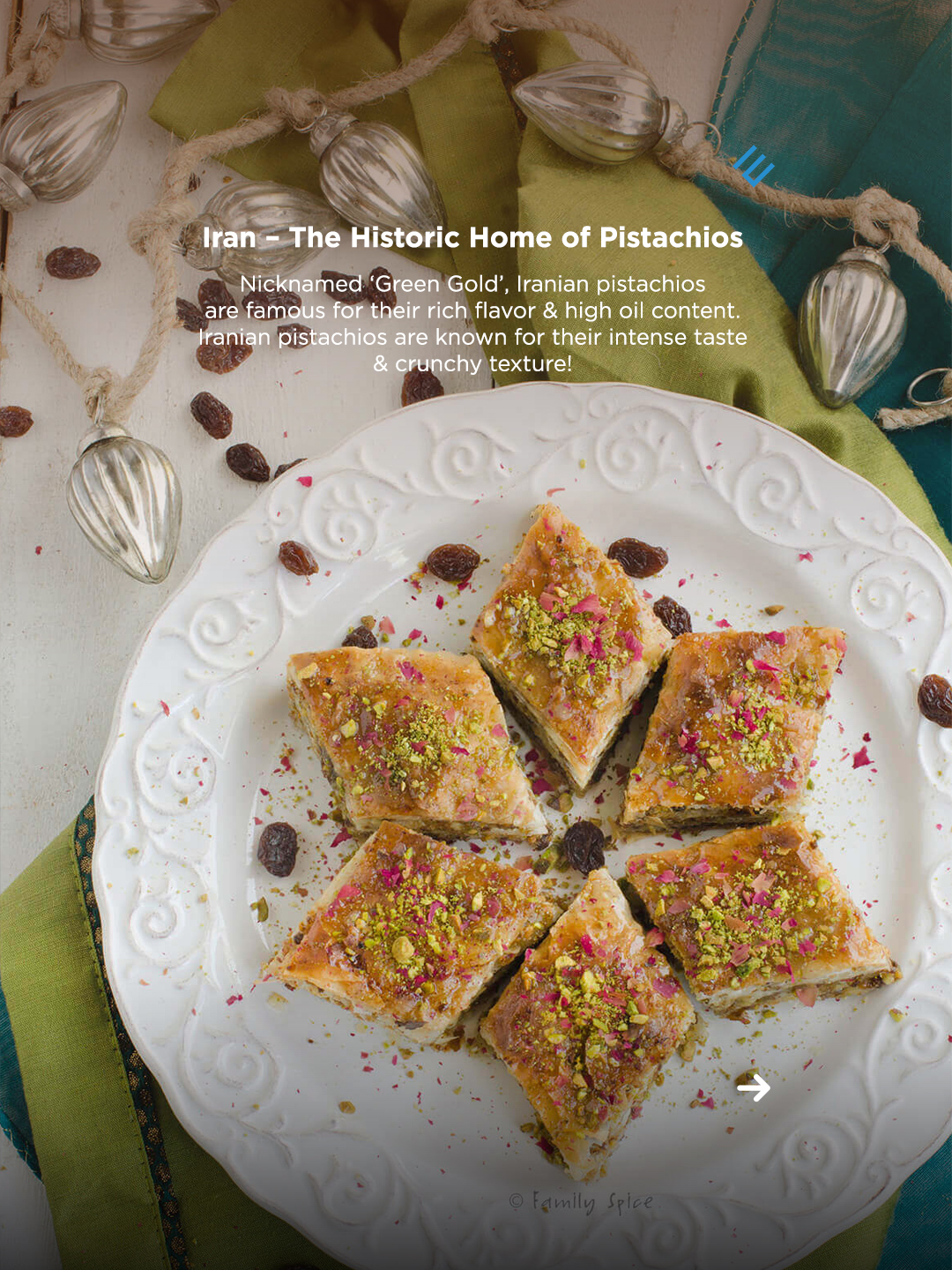

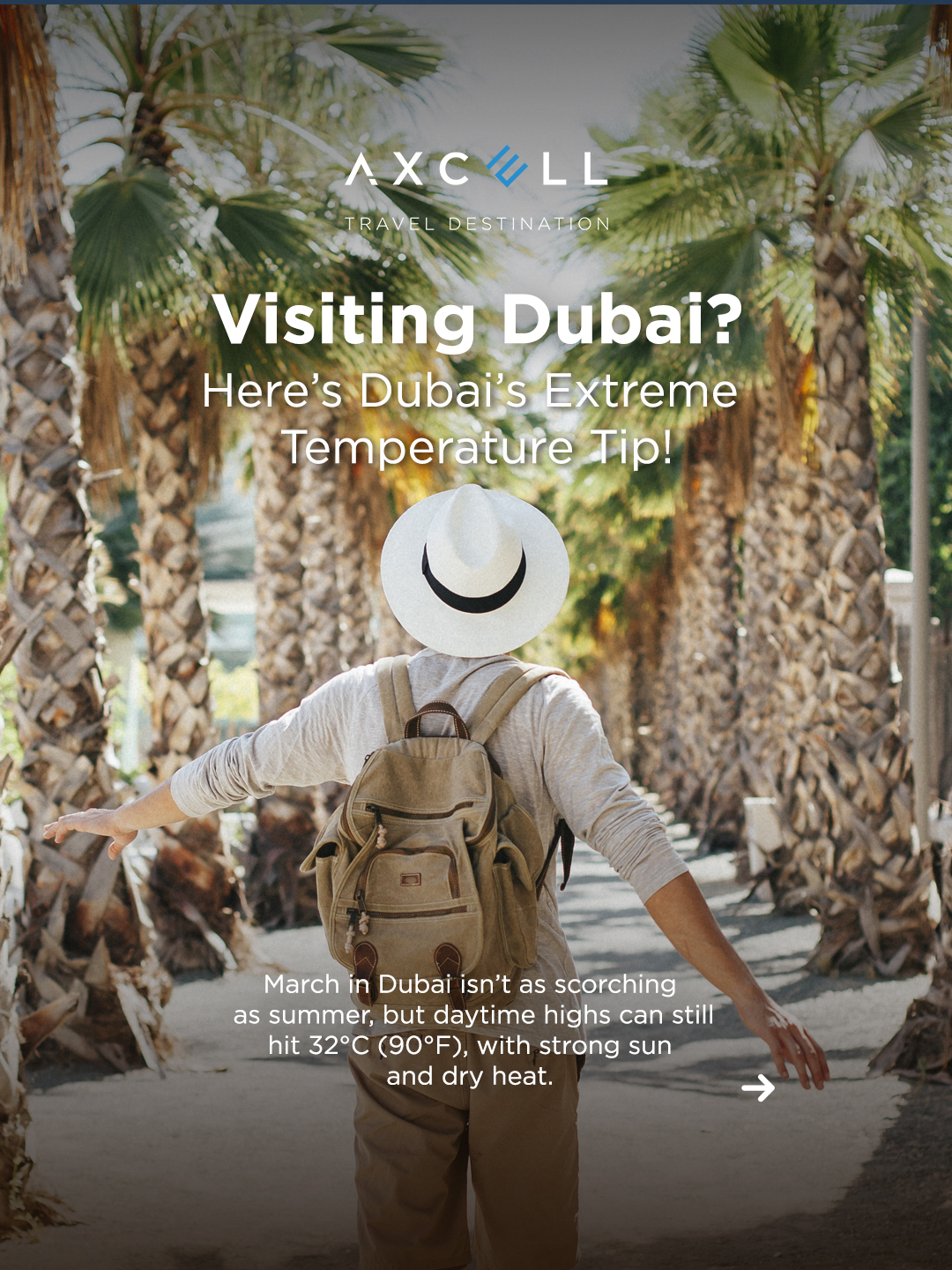
Visiting Dubai?

Dubai’s Extreme Temperature Tip for a Comfortable March Trip

Dubai is known for its futuristic skyline, golden deserts, luxury shopping, and vibrant waterfront promenades. But alongside its glamour, one thing defines the city just as strongly: heat.

If you’re visiting Dubai in March, you’re arriving during one of its more pleasant months—but that doesn’t mean it’s cool. Daytime temperatures can still reach 32°C (90°F), and the desert sun is intense, dry, and unrelenting.

March offers a sweet spot before summer’s extreme highs, yet smart planning is essential. With the right approach, you can enjoy Dubai’s outdoor beauty without feeling drained by the heat.

Here’s how to stay cool, energized, and comfortable while exploring the city.
Understand Dubai’s March Climate

Dry Heat Feels Different

Unlike humid tropical climates, Dubai’s heat is dry. While this can make temperatures feel less sticky, it also increases dehydration risk because sweat evaporates quickly—often before you notice how much fluid you’re losing.

March days are sunny with minimal cloud cover. UV levels are strong, and direct exposure can lead to fatigue faster than expected.

The Midday Sun Is the Real Challenge

Between late morning and mid-afternoon, the sun is at its peak. Outdoor sightseeing during these hours can feel overwhelming, especially in open areas like beaches or desert landscapes.

The key to enjoying Dubai is not avoiding outdoor experiences—but timing them wisely.

Plan Outdoor Activities Early or After Sunset

Morning Adventures – The Coolest Window

Early mornings in Dubai are refreshingly comfortable. Temperatures are milder, and sunlight is softer. This is the ideal time for:

  • Desert safaris

  • Dune activities

  • Beach walks

  • Marina strolls

  • Old town exploration

If you’re planning a desert excursion, morning tours are especially rewarding. The sands glow under gentle light, and the heat remains manageable.

Sunset & Evening Exploration

As the sun sets, Dubai transforms. Outdoor promenades become lively, rooftop restaurants fill with guests, and city lights reflect beautifully off glass towers.

Evening is perfect for:

  • Dubai Marina walks

  • Fountain shows

  • Outdoor dining

  • Souk visits

  • Desert camp dinners

Planning around sunrise and sunset allows you to enjoy Dubai’s most scenic moments without battling peak heat.

Hydration Is Non-Negotiable

Drink Consistently, Not Occasionally

In Dubai’s climate, hydration must be proactive. Don’t wait until you feel thirsty—that’s already a sign of dehydration.

Carry a reusable water bottle and refill regularly. Most hotels, malls, and public spaces provide access to water.

Cut Back on Caffeine

Coffee and energy drinks may feel tempting, especially during travel fatigue. However, caffeine can increase fluid loss and worsen dehydration.

Consider:

  • Limiting coffee intake

  • Choosing herbal teas

  • Drinking electrolyte-enhanced water

Balancing hydration ensures you stay energized throughout long sightseeing days.

Recognize Early Signs of Dehydration

Watch for:

  • Headaches

  • Dizziness

  • Dry mouth

  • Sudden fatigue

If symptoms appear, rest in a shaded or air-conditioned space immediately.

Dress Smart for the Climate

Choose Lightweight, Natural Fabrics

Clothing choice dramatically impacts comfort in Dubai. Opt for:

  • Cotton

  • Linen

  • Moisture-wicking materials

Loose-fitting garments allow airflow and reduce heat retention. Light colors reflect sunlight better than dark shades.

Comfort Over Style

Dubai is fashionable, but comfort should come first in daytime heat. Save heavier fabrics and layered outfits for indoor settings or evening events.

Sun Protection Is Essential

March sun can still cause sunburn quickly.

Always pack:

  • Broad-spectrum sunscreen

  • Sunglasses with UV protection

  • A wide-brimmed hat or cap

Reapply sunscreen regularly, especially after sweating or being outdoors for extended periods.

Use Shade and Air-Conditioned Transport

Take Advantage of Shaded Walkways

Many areas in Dubai are designed with shade in mind. Use:

  • Covered pedestrian bridges

  • Tree-lined paths

  • Mall connectors

Planning your walking routes strategically reduces sun exposure.

Choose Air-Conditioned Transport

Dubai’s infrastructure is built to handle heat. The Dubai Metro is fully air-conditioned, clean, and efficient. Taxis and ride-hailing services are also widely available and climate-controlled.

Instead of long daytime walks between attractions, consider using the metro or taxis to conserve energy.

Balance Indoor and Outdoor Experiences

Dubai offers countless indoor attractions—malls, museums, aquariums, and observation decks. Use midday hours for indoor exploration, reserving outdoor experiences for cooler periods.

This balanced approach prevents exhaustion while maximizing enjoyment.

Special Tip for Desert Activities

Heat awareness in open landscapes

The desert amplifies heat exposure because there is minimal natural shade. If you’re planning:

  • Dune bashing

  • Camel rides

  • Desert photography

Morning or sunset tours are strongly recommended.

Bring:

  • Sunglasses

  • A light scarf for dust

  • Extra water

Respect the environment’s intensity—comfort and safety always come first.

Smart Planning Turns Heat Into Comfort

Dubai in March offers sunshine, clear skies, and vibrant outdoor energy—without the extreme intensity of peak summer. With thoughtful timing, hydration, smart clothing, and strategic use of air-conditioned spaces, you can fully enjoy the city without feeling overwhelmed by the heat.

The desert climate isn’t something to fear—it’s something to prepare for.

When you plan wisely, Dubai’s warmth becomes part of the adventure rather than a challenge.

Stay cool, stay hydrated, and let the city’s golden glow become one of the highlights of your journey.

Thoughtfully Designed Journeys, Just for You

Start planning your thoughtfully designed journey with Axcell Travel Destination.

Ramadan Travel Hacks

Smart Ways to Travel Smoothly While Fasting

Ramadan is a month of reflection, discipline, gratitude, and spiritual renewal. For many, it is also a time that may involve travel—whether for family visits, business trips, or long-awaited holidays. Traveling during Ramadan can feel challenging at first, especially when balancing fasting, prayer, energy levels, and changing time zones.

Yet with thoughtful preparation, travel during Ramadan can be both meaningful and manageable. In fact, it can deepen the experience of patience, mindfulness, and intentional living that the month encourages.

Here are practical Ramadan travel hacks to help you fast comfortably, stay energized, and maintain your spiritual rhythm—wherever your journey takes you.

Plan Flights Around Suhoor & Iftar - Choose Flight Schedules Strategically

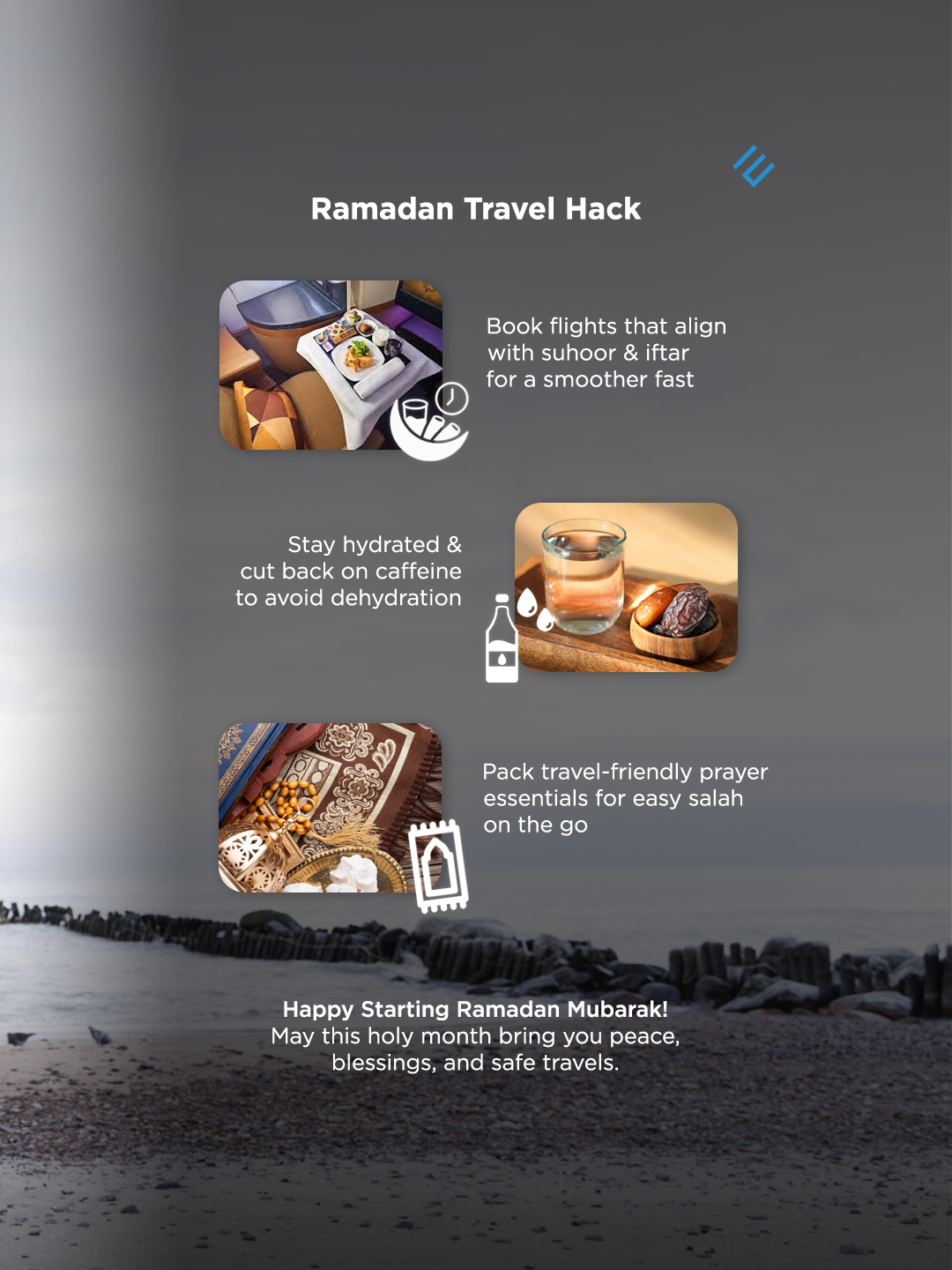
One of the most helpful travel decisions during Ramadan is selecting flights that align with suhoor (pre-dawn meal) or iftar (breaking of the fast).

If possible:

  • Book early morning flights that allow you to eat suhoor at home or at the airport before departure.

  • Choose evening flights where you can break your fast onboard.

This helps you avoid long stretches without access to food or water in unpredictable situations.

Consider Layovers Carefully

Long layovers can be draining while fasting. If you must transit, try to:

  • Schedule layovers near iftar time so you can eat comfortably at the airport.

  • Avoid extremely long daytime stopovers without access to rest areas.

Research airport facilities in advance to locate prayer rooms, halal food options, or quiet seating areas.

Adjusting Across Time Zones

When crossing time zones, fasting times change. Use reliable prayer and fasting apps to calculate accurate local suhoor and iftar times upon arrival.

If the journey is particularly long, remember that Islamic guidance provides flexibility for travelers. Depending on circumstances, travelers may be permitted to make up missed fasts later. Consulting trusted religious guidance can help you make informed decisions aligned with your comfort and faith.

Hydration Is Your Greatest Ally - Maximize Hydration Between Iftar and Suhoor

Dehydration is one of the most common challenges while traveling during Ramadan. Airplane cabins, hot climates, and busy schedules can intensify fatigue.

Between iftar and suhoor:

  • Drink water consistently rather than all at once.

  • Include hydrating foods like fruits, soups, and vegetables.

  • Avoid excessive salty or fried foods that increase thirst.

Spreading water intake throughout the non-fasting hours helps sustain you longer.

Reduce Caffeine Intake

While coffee and tea may feel comforting, caffeine can increase dehydration and disrupt sleep cycles—especially when travel already affects rest.

Gradually cutting back on caffeine before Ramadan, or limiting it during travel, can prevent headaches and energy crashes.

Be Mindful of Climate

If traveling to warmer destinations, pace your activities carefully. Schedule outdoor exploration in the early morning or late evening when temperatures are lower.

Conserving energy during peak heat hours helps you maintain strength for both travel and worship.

Pack Travel-Friendly Prayer Essentials | Create a Compact Prayer Kit

A small, lightweight prayer kit can make salah (prayer) much easier while traveling. Consider packing:

  • A foldable travel prayer mat

  • A compact Qur’an or digital Qur’an app

  • Tasbih (prayer beads)

  • A small scarf or modest cover if needed

Keeping these items easily accessible ensures you can pray comfortably during layovers, road trips, or hotel stays.

Locate Prayer Spaces in Advance

Many international airports provide multi-faith prayer rooms. Research your departure and transit airports ahead of time to locate designated quiet areas.

For road trips, rest stops, parks, or quiet corners can serve as temporary prayer spaces. The key is planning and flexibility.

Embrace Simplicity

Travel sometimes means adjusting routines. If access to perfect facilities isn’t possible, focus on intention and consistency. Spiritual discipline during Ramadan is about sincerity, not perfection.

Maintaining salah while traveling strengthens both faith and resilience.

Pace Yourself & Prioritize Rest

Energy management is essential

Avoid Overpacking Your Itinerary

Ramadan already shifts your physical rhythm. Combining that with an aggressive travel schedule can lead to exhaustion.

Plan lighter days. Allow time for rest before iftar. Choose meaningful experiences over packed itineraries.

Sleep Strategically

Late-night taraweeh prayers and early suhoor meals can disrupt sleep. During travel:

  • Take short naps when possible.

  • Adjust your schedule gradually to align with your destination.

  • Avoid overstimulation late at night to improve sleep quality.

Managing rest intentionally helps maintain focus and mood.

Listen to Your Body

Fatigue during fasting is natural. If you feel overwhelmed, slow down. Travel during Ramadan isn’t about maximizing sightseeing—it’s about balancing exploration with spiritual awareness.

Turning Travel Into Spiritual Reflection - A Journey Within a Journey

Travel naturally invites reflection. Airports, unfamiliar cities, and long transit hours create pauses in routine—perfect moments for gratitude and contemplation.

Ramadan amplifies this mindset. Time spent waiting can become time for dhikr (remembrance), reflection, or quiet prayer.

Practicing Patience

Travel rarely unfolds perfectly. Delays, crowds, and unexpected changes test patience—an essential virtue during Ramadan.

Approaching challenges with calm and gratitude transforms inconvenience into spiritual growth.

Sharing Ramadan Across Cultures

Traveling during Ramadan also offers opportunities to experience how different communities observe the holy month. From iftar gatherings in new cities to hearing the call to prayer in unfamiliar surroundings, these moments create lasting memories.

Ramadan becomes not just a personal practice, but a global connection.

Safe Travels and Blessed Beginnings

Ramadan is a month of intention. Traveling during this sacred time requires thoughtful planning—but it can also deepen your appreciation for discipline, gratitude, and balance.

By aligning flights with suhoor and iftar, staying hydrated, reducing caffeine, packing essential prayer items, and pacing your schedule wisely, you can create a smoother and more meaningful travel experience.

Whether you’re crossing cities or continents, may your journey be safe, your fast be fulfilling, and your heart be at peace.

Happy starting Ramadan Mubarak. May this holy month bring you tranquility, blessings, and safe travels wherever you go

Thoughtfully Designed Journeys, Just for You

Start planning your thoughtfully designed journey with Axcell Travel Destination.

Celebrate International Pistachio Day

A Global Tribute to the World’s Favorite Green Nut

Small in size yet bold in flavor, pistachios have traveled across continents and centuries to become one of the world’s most beloved nuts. From ancient Persian orchards to modern Californian farms and Mediterranean groves, pistachios carry a rich history of cultivation, trade, and culinary innovation.

Often nicknamed “Green Gold,” pistachios are more than a snack—they are symbols of heritage, craftsmanship, and regional pride. International Pistachio Day is the perfect moment to celebrate not only their irresistible crunch but also the cultures and landscapes that bring them to life.

Let’s explore the pistachio’s journey across three major producing regions: Iran, the United States, and the Mediterranean gems of Turkey and Greece.

Iran | The Historic Home of Pistachios - A Legacy Rooted in Ancient Soil

Few countries are as deeply connected to pistachios as Iran. Pistachios have been cultivated in Persian lands for thousands of years, making Iran one of the earliest known producers of this prized nut.

In Iranian culture, pistachios symbolize hospitality and celebration. They appear at family gatherings, weddings, and festivals, often served alongside tea or incorporated into traditional sweets.

Why Iranian Pistachios Are So Prized

Iranian pistachios are celebrated for their:

  • Rich, intense flavor

  • High oil content, which enhances aroma

  • Distinctive crunch and texture

The country’s dry climate and mineral-rich soil contribute to their unique taste profile. Many pistachio enthusiasts describe Iranian varieties as deeper and more aromatic compared to others.

A Cultural and Economic Treasure

Nicknamed “Green Gold,” pistachios are not only a culinary staple in Iran but also an important agricultural export. Regions such as Kerman have become synonymous with high-quality pistachio production.

Beyond economics, pistachios remain woven into Persian cuisine—from saffron-infused rice dishes to delicate pastries like baklava and nougat.

Iran’s pistachios represent history preserved through agriculture.

The USA | California’s Pistachio Empire - A Rising Global Leader

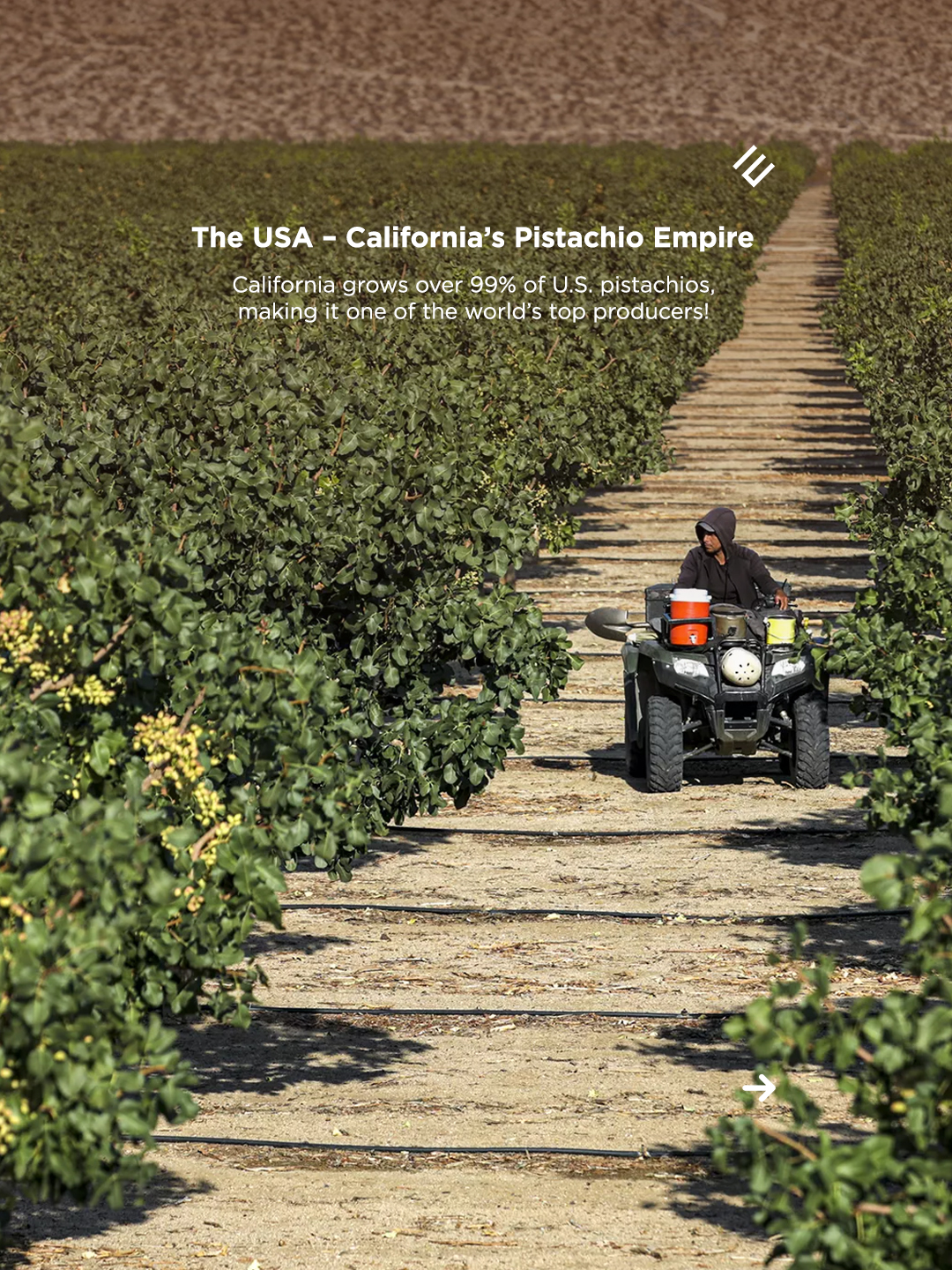
While pistachios originated in the Middle East, the United States has become a dominant force in production—thanks largely to California.

California grows over 99% of U.S. pistachios, making it one of the world’s top producers. The state’s Central Valley offers ideal conditions: long, hot summers and mild winters that support healthy tree growth.

Innovation and Scale

California pistachio farming is known for:

  • Advanced irrigation systems

  • Mechanized harvesting

  • Strict quality control standards

This large-scale production allows the U.S. to supply pistachios globally, meeting increasing demand for healthy snack options.

Flavor and Versatility

California pistachios are recognized for their:

  • Consistent size

  • Naturally split shells

  • Balanced, mildly sweet flavor

They are widely used in:

  • Ice cream and desserts

  • Savory dishes and salads

  • Plant-based recipes

  • Convenient roasted and flavored snacks

The American pistachio industry reflects modern agricultural innovation—efficient, scalable, and globally competitive.

Turkey & Greece | Mediterranean Pistachio Gems - Turkey’s Flavorful Heritage

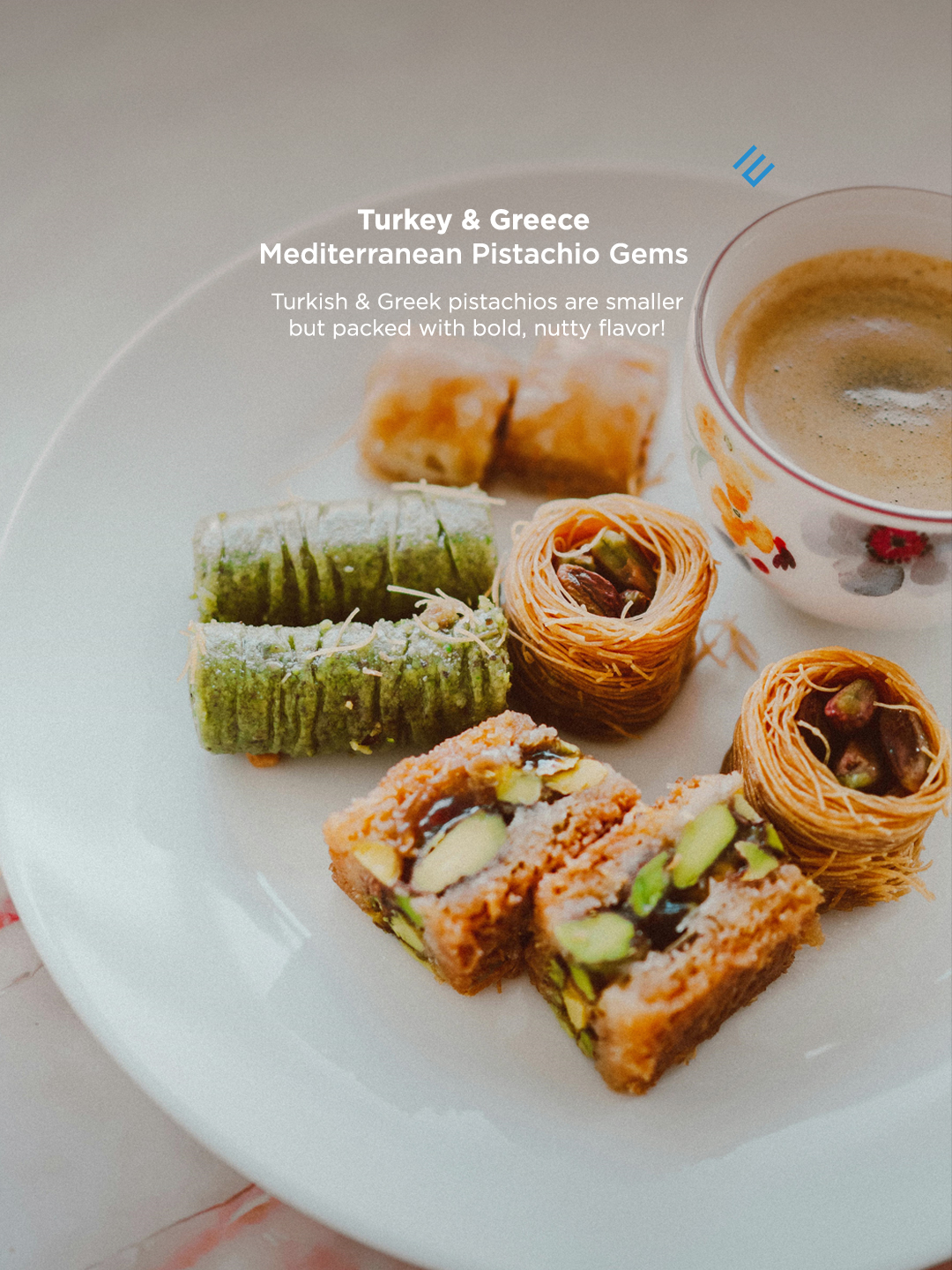
In Turkey, pistachios hold deep culinary importance, especially in regions like Gaziantep, known for its rich dessert traditions.

Turkish pistachios are typically:

  • Smaller

  • Intensely nutty

  • Slightly sweeter

They are essential ingredients in iconic dishes such as baklava and pistachio-filled confections. The smaller size concentrates flavor, making them particularly prized in pastry making.

Greece’s Island Specialty

In Greece, pistachios from Aegina Island have earned protected designation status for their quality. Greek pistachios are known for their:

  • Bright green color

  • Strong aroma

  • Rich, bold taste

They are enjoyed roasted, incorporated into sweets, or blended into pistachio creams and spreads.

Mediterranean Character

What distinguishes Turkish and Greek pistachios is character. While they may be smaller than American varieties, their bold, concentrated flavor makes them favorites among chefs and dessert artisans.

These Mediterranean pistachios reflect traditional cultivation methods and regional pride.

The Global Love for Pistachios - A Nutritional Powerhouse

Pistachios are not only delicious but also nutritious. They are:

  • Rich in healthy fats

  • High in protein

  • Packed with antioxidants

  • A source of fiber and essential minerals

This nutritional profile has contributed to their popularity as a modern super-snack.

Culinary Creativity Across Cultures

Around the world, pistachios appear in:

  • Middle Eastern sweets

  • Italian gelato

  • French pastries

  • American snack aisles

  • Mediterranean sauces

Their versatility bridges sweet and savory, traditional and contemporary cuisine.

Why Pistachios Connect Cultures

Despite regional differences in size, texture, and flavor, pistachios share a common thread: they connect people to land, tradition, and celebration.

Iran’s ancient orchards reflect history.
California’s farms represent innovation.
Turkey and Greece preserve artisanal heritage.

Each region adds its own story to the global pistachio narrative.

A Small Nut with a Global Story

International Pistachio Day is more than a tribute to a snack—it is a celebration of agriculture, culture, and shared appreciation across borders.

From the historic fields of Iran to the expansive orchards of California and the flavorful Mediterranean groves of Turkey and Greece, pistachios remind us that even the smallest foods can carry vast histories.

Crunchy, aromatic, and vibrantly green, pistachios symbolize abundance and connection—proof that something small can leave a lasting impression.

So today, crack open a shell, savor the flavor, and celebrate the global journey of Green Gold.

Thoughtfully Designed Journeys, Just for You

Start planning your thoughtfully designed journey with Axcell Travel Destination.

Minimalist Packing | Bundle Wrapping vs Compression Cubes

Two Smart Strategies to Travel Lighter, Neater, and Stress-Free

Minimalist packing isn’t just about bringing fewer clothes—it’s about packing smarter. Whether you’re heading on a business trip, a weekend getaway, or a month-long adventure, how you pack can determine how organized, wrinkle-free, and stress-free your journey feels.

Two of the most popular minimalist packing techniques today are Bundle Wrapping and Compression Cubes. Both promise to save space and improve organization, but they work in very different ways. Understanding their strengths—and when to use each—can transform your suitcase from chaotic to effortless.

If you’ve ever struggled with wrinkled shirts, overstuffed luggage, or digging through your bag to find one item, this guide will help you find the packing style that suits your travel rhythm.

What Is Minimalist Packing? Why Packing Style Matters

Minimalist packing is about maximizing efficiency without sacrificing what you need. It focuses on:

  • Reducing unnecessary items

  • Organizing clothing intentionally

  • Protecting garments from wrinkles

  • Making access easy

The right packing method doesn’t just save space—it reduces decision fatigue during your trip. A well-organized suitcase allows you to focus on your experience rather than managing your belongings.

Two Popular Methods, Two Different Philosophies

  • Bundle Wrapping prioritizes wrinkle prevention and smooth layering.

  • Compression Cubes prioritize organization and space optimization.

Both can support minimalist travel—but they cater to different types of travelers.

Bundle Wrapping - How It Works

Bundle Wrapping involves layering clothing pieces around a central core—often a small pouch, toiletry bag, or soft item. Each garment is wrapped sequentially, creating a compact “bundle” where pieces support one another.

Step-by-Step Overview

  1. Place a small, soft item at the center (like pajamas or a packing pouch).

  2. Lay your largest garments flat (jackets, blazers, dresses).

  3. Layer medium-sized pieces (shirts, blouses, trousers).

  4. Fold and wrap each layer smoothly around the core.

  5. Tuck sleeves and edges neatly as you go.

The result is one cohesive unit rather than separate folded stacks.

Why It Reduces Wrinkles

Unlike traditional folding, which creates sharp creases, bundle wrapping distributes folds across multiple layers. Because garments are curved and supported by other clothing, they experience less compression pressure in specific areas.

This technique is especially effective for:

  • Formal wear

  • Blazers and structured jackets

  • Dresses

  • Button-down shirts

Business travelers often prefer bundle wrapping because it minimizes ironing needs upon arrival.

Who Should Choose Bundle Wrapping?

Best for:

  • Business travelers

  • Light packers

  • Travelers carrying formal attire

  • Those who want wrinkle-free outfits

Bundle wrapping works best when:

  • You’re packing fewer items

  • You don’t need constant access to individual pieces

  • You prefer a single compact bundle

However, one trade-off is accessibility. To remove one item, you may need to partially unwrap the bundle.

Compression Cubes - How It Works

Compression cubes are zippered fabric compartments that hold folded or rolled clothes. Once filled, they zip tighter, compressing air and reducing volume.

Step-by-Step Overview

  1. Fold or roll clothes individually.

  2. Place them inside packing cubes.

  3. Zip the primary zipper closed.

  4. Use the compression zipper to tighten and reduce bulk.

  5. Arrange cubes neatly inside your suitcase.

This system creates clearly separated sections for clothing categories.

Why They Maximize Space

Compression cubes work by squeezing excess air out of clothing. While they don’t shrink fabric, they compact it tightly, creating more usable space in your suitcase.

They’re particularly helpful for:

  • Bulky sweaters

  • Activewear

  • Casual clothing

  • Long trips requiring multiple outfits

Compression cubes also allow you to divide clothing by day, category, or traveler.

Who Should Choose Compression Cubes?

Best for:

  • Backpackers

  • Long-term travelers

  • Families sharing luggage

  • Anyone who loves structure

Compression cubes work best when:

  • You need quick access to items

  • You’re packing many outfits

  • You want your suitcase neatly compartmentalized

The trade-off? Clothes may wrinkle slightly more compared to bundle wrapping, especially formal garments.

Choosing Your Best Packing Style

Match the method to your travel type

Choose Bundle Wrapping If…

  • You want to avoid wrinkles

  • You’re packing formal or delicate clothing

  • You prefer a single compact bundle

  • You pack lightly

Bundle wrapping supports elegance and simplicity.

Choose Compression Cubes If…

  • You need to maximize space

  • You’re traveling for an extended period

  • You prefer visible organization

  • You unpack and repack frequently

Compression cubes support flexibility and structure.

The Smart Hybrid Approach

Why you don’t have to choose just one

The most efficient travelers often combine both methods.

How to Combine Them

  • Use bundle wrapping for delicate, wrinkle-prone garments like suits or dresses.

  • Use compression cubes for bulkier items such as sweaters, workout clothes, or casual wear.

This hybrid method offers:

  • Wrinkle prevention

  • Maximum space efficiency

  • Organized compartments

  • Easy access

It blends elegance with practicality.

Packing Mindset Matters More Than Method

Minimalist packing isn’t about perfection—it’s about intention. Regardless of technique, the most important principles are:

  • Pack versatile outfits

  • Stick to a coordinated color palette

  • Avoid “just in case” items

  • Leave space for souvenirs

Both bundle wrapping and compression cubes support these goals. The difference lies in how you prioritize access versus wrinkle prevention.

Packing Lighter, Traveling Better

At its core, minimalist packing is about freedom. A well-packed suitcase reduces stress at airports, simplifies hotel stays, and makes movement between destinations easier.

Bundle wrapping offers smooth sophistication.
Compression cubes offer structured efficiency.

Neither is universally better—the best choice depends on your travel style, wardrobe, and priorities.

And if you’re unsure? Combine both.

Because when your suitcase feels organized, compact, and intentional, your journey begins with clarity—and that’s the true essence of traveling light.

Thoughtfully Designed Journeys, Just for You

Start planning your thoughtfully designed journey with Axcell Travel Destination.

Secret Battery Saving Modes for iPhone & Android While Traveling

Smart Power Hacks to Keep Your Phone Alive on Every Adventure

Few travel frustrations feel as immediate—and preventable—as a dead phone battery. Whether you rely on your device for boarding passes, maps, ride-hailing apps, translations, or capturing unforgettable moments, your smartphone is no longer optional while traveling. It is your camera, compass, guidebook, and connection to the world.

Yet travel is demanding on battery life. Constant GPS usage, roaming signals, photography, social media uploads, and weak cellular coverage can drain even the newest phones faster than expected.

The good news? Both iPhone and Android devices come equipped with powerful—but often underused—battery-saving tools. When activated strategically, these features can dramatically extend your phone’s life without sacrificing essential functionality.

Here’s how to unlock the full potential of your device and keep it powered throughout your journey.

Why Phones Drain Faster While Traveling - Weak Signal = Stronger Drain

One of the biggest hidden battery killers is weak signal. When your phone struggles to connect to a cellular network, it continuously searches for a stronger signal. This process consumes significant power, especially in airports, mountains, rural areas, or underground transport systems.

Travel often means unpredictable reception—and unpredictable battery usage.

Constant GPS and Data Usage

Navigation apps, translation tools, ride-hailing services, and social media platforms rely heavily on GPS and background data refresh. Even when you’re not actively using these apps, they may continue running processes that silently drain your battery.

Without adjusting settings, your phone works harder than necessary.

Increased Screen Time

Travel usually means more screen time: checking directions, photographing landmarks, messaging travel companions, or reviewing itineraries. The display—especially at high brightness—consumes the largest portion of your battery.

Understanding these factors helps you control them.

iPhone Battery Hacks

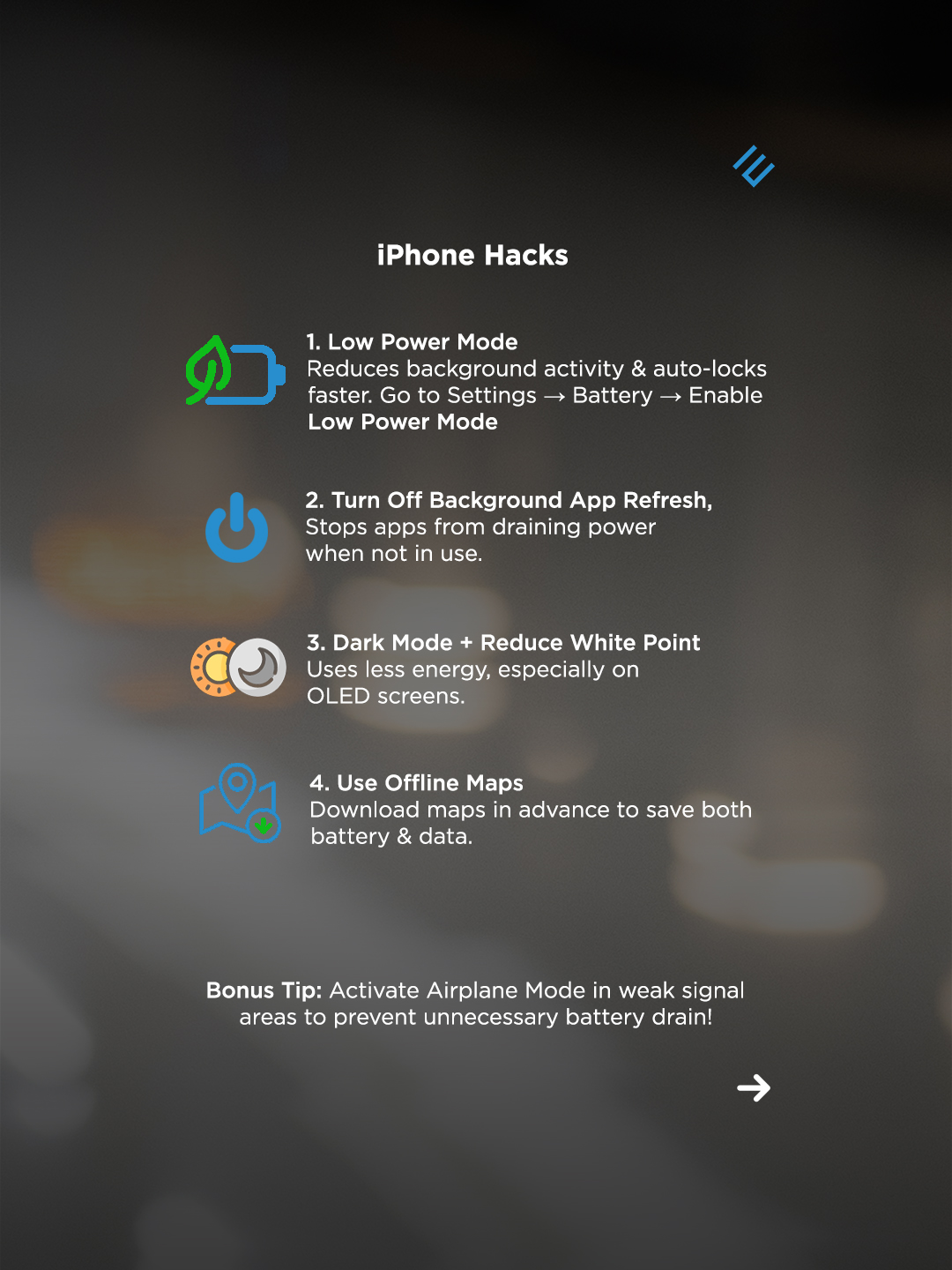
1. Low Power Mode

If there’s one setting every traveler should use, it’s Low Power Mode.

To activate:
Settings → Battery → Enable Low Power Mode

When turned on, this feature:

  • Reduces background activity

  • Shortens auto-lock time

  • Minimizes visual effects

  • Pauses non-essential tasks

It’s not just for emergencies—you can activate it anytime during heavy travel days to stretch battery life significantly.


2. Turn Off Background App Refresh

Many apps refresh content even when not open.

To adjust:
Settings → General → Background App Refresh

Disable unnecessary apps or turn it off completely while traveling. This prevents silent power consumption from apps you aren’t actively using.


3. Dark Mode + Reduce White Point

On OLED-screen iPhones, dark pixels use less energy.

Enable Dark Mode:
Settings → Display & Brightness → Dark

For additional savings:
Settings → Accessibility → Display & Text Size → Reduce White Point

Lowering brightness and limiting white intensity can noticeably extend usage, especially during long days outdoors.


4. Use Offline Maps

Navigation drains both battery and data when constantly connected.

Before leaving Wi-Fi:
Download maps in advance via your preferred mapping app.

Offline maps reduce:

  • Data usage

  • GPS strain

  • Screen-on time

It’s one of the simplest yet most powerful travel hacks.

Airplane Mode in Weak Signal Areas

When reception is poor, enable Airplane Mode temporarily. This stops the phone from continuously searching for signal.

You can still:

  • Use offline maps

  • Take photos

  • Access saved documents

Re-enable cellular service only when necessary.

Android Battery Hacks

1. Battery Saver Mode

To activate:
Settings → Battery → Enable Battery Saver

Battery Saver:

  • Limits background processes

  • Reduces performance slightly

  • Restricts syncing

This mode is ideal for long sightseeing days or travel days with limited charging opportunities.


2. Dark Mode & Adaptive Brightness

On AMOLED screens, dark themes save noticeable power.

Enable Dark Mode:
Settings → Display → Dark Theme

Turn on Adaptive Brightness to automatically adjust screen intensity based on surroundings. Manual brightness at maximum is one of the biggest drains on battery.


3. Turn Off Always-On Display

Always-On Display looks sleek—but it consumes constant energy.

To disable:
Settings → Display → Always-On Display → Off

During travel, this single change can significantly extend battery life.


4. Use GPS Only When Needed

Instead of allowing apps to track constantly, switch to a more restrictive location mode.

Adjust location permissions:

  • Set apps to “While Using the App”

  • Disable background tracking

Some devices allow “Device Only” GPS mode, reducing reliance on network-based tracking.

Ultra Power Saving Mode

Many Android devices include Ultra Power Saving Mode, which limits the phone to essential apps only.

This mode is perfect for:

  • Emergency situations

  • Long excursions

  • Final hours before charging

It transforms your phone into a minimalist device focused on survival rather than performance.

Universal Travel Battery Strategies

Carry a Power Bank

Even with optimized settings, external backup is smart. A lightweight power bank ensures peace of mind.

Charge Whenever Possible

Airports, cafés, trains—use charging opportunities even if your battery isn’t low. Top-ups are better than full drains.

Close Unnecessary Apps

Manually close unused apps to prevent background activity, especially during long transit days.

Turn Off Push Notifications

Notifications wake your screen constantly. Disable non-essential alerts while traveling to conserve energy.

Travel Smarter, Not Harder

Your phone isn’t just a device during travel—it’s your safety net, memory keeper, and navigation guide. A drained battery can mean missed photos, lost directions, or unnecessary stress.

By activating the right battery-saving modes and adjusting key settings, you can extend usage dramatically—sometimes doubling your available time between charges.

The secret isn’t buying a new phone.
It’s using the one you have smarter.

Travel is about exploration, connection, and capturing moments that matter. A simple adjustment in settings can mean the difference between scrambling for a charger and calmly enjoying your surroundings.

Whether you’re navigating winding streets, hiking remote trails, or hopping between flights, keeping your phone alive means keeping your journey smooth.

Because the only thing that should run out on an adventure…
is time—not battery. 🔋✨

Thoughtfully Designed Journeys, Just for You

Start planning your thoughtfully designed journey with Axcell Travel Destination.

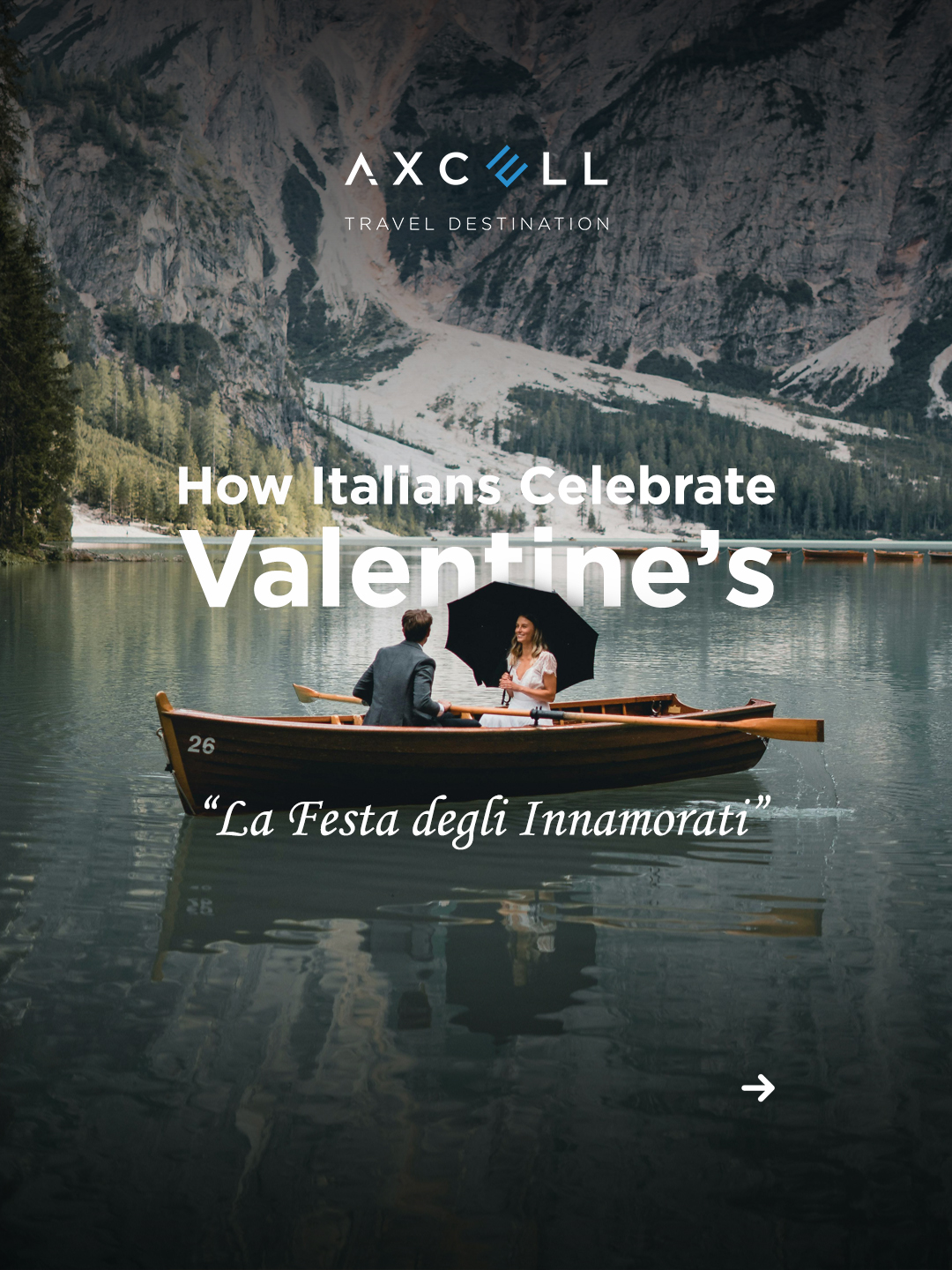
How Italians Celebrate Valentine’s

“La Festa degli Innamorati” — A Celebration of Love, Light, and La Dolce Vita

In Italy, love is not rushed. It is savored—like a slow meal, a lingering glance, or an evening walk beneath golden streetlights. When February 14 arrives, Italians celebrate “La Festa degli Innamorati”—the Feast of Lovers—with a blend of history, elegance, and unmistakable romance.

Unlike commercialized versions of Valentine’s Day elsewhere, Italy’s approach feels deeply cultural and poetic. From its roots as a spring festival to modern candlelit dinners and week-long celebrations in the city of Romeo and Juliet, Valentine’s in Italy is about atmosphere as much as affection.

It is a day—and in some places, a week—when the country leans fully into its identity as one of the most romantic places on earth.

A Springtime Tradition Rooted in History - From Saint to Spring Festival

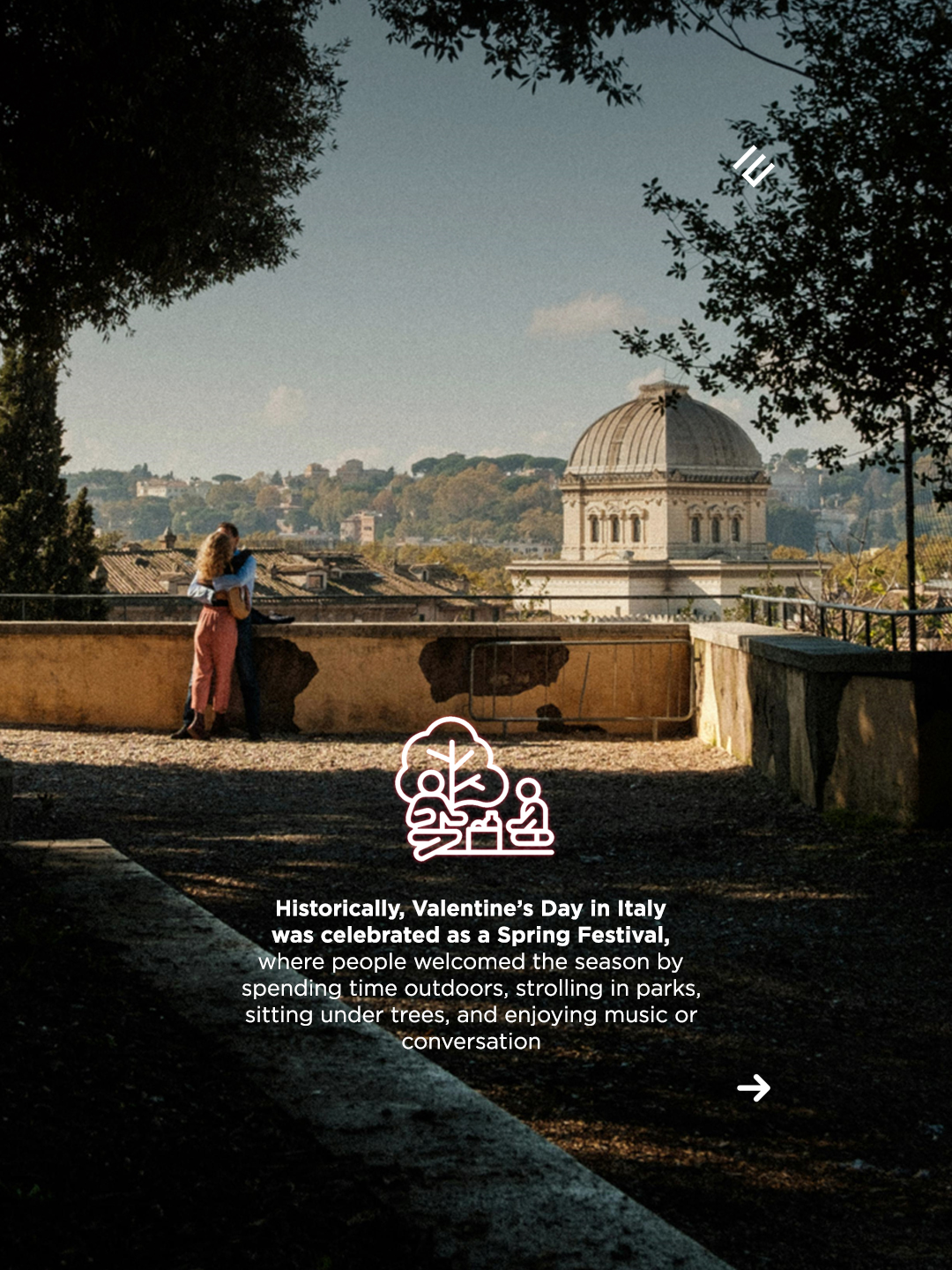
While Valentine’s Day is commonly associated with Saint Valentine, Italy’s historical interpretation carries a softer, more seasonal tone. In earlier centuries, February 14 was linked to the arrival of spring—a time when winter began to loosen its grip and nature hinted at renewal.

Couples and families would spend time outdoors, strolling through gardens, sitting beneath trees, and enjoying music or quiet conversation. The focus was less on grand gestures and more on presence—being together in the open air as the season shifted.

Love, in this context, felt connected to nature’s rhythm: patient, hopeful, and alive.

Romance in Simplicity

This tradition of outdoor appreciation still echoes today. Even in modern cities, couples often take leisurely walks through parks or along rivers, choosing meaningful time together over extravagance.

In Italy, romance is often understated but intentional. A shared espresso, a hand held while wandering cobblestone streets, or a quiet bench beneath early spring blossoms can carry more weight than elaborate gifts.

“La Festa degli Innamorati” honors this simplicity—celebrating love as something to be lived, not displayed.

The Art of the Romantic Dinner - A Special Menu for a Special Night

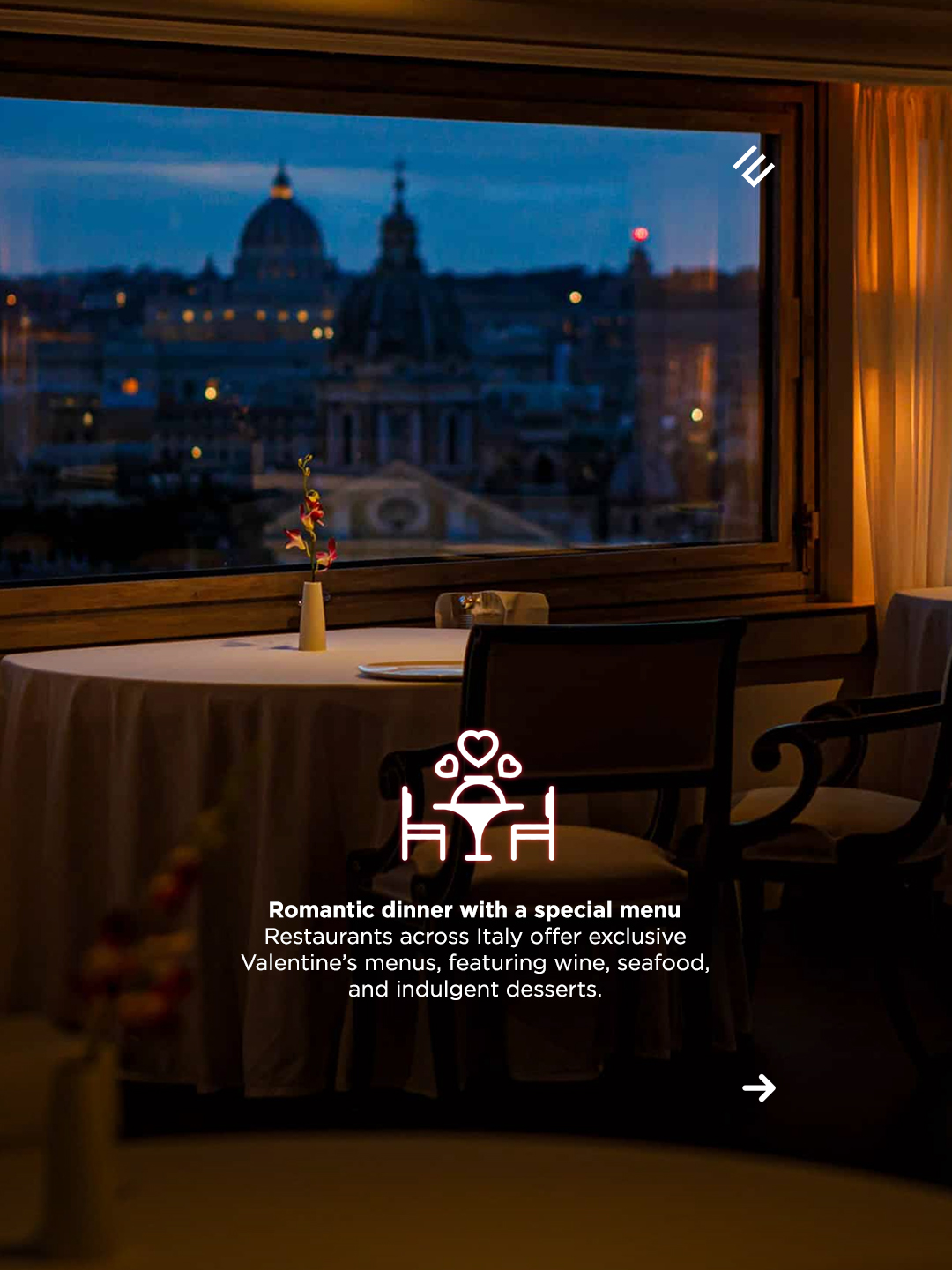
As evening approaches, Italy’s culinary culture takes center stage. Restaurants across the country prepare exclusive Valentine’s menus—crafted with indulgence and intimacy in mind.

Expect elegant pairings of wine and seafood, handmade pasta dishes, and decadent desserts designed to be shared. Candlelit tables, soft music, and attentive service transform dining into an experience rather than a meal.

Food in Italy is never separate from emotion. It tells stories, honors tradition, and strengthens connection.

Wine, Conversation, and Atmosphere

Italian Valentine’s dinners are not hurried. Courses unfold slowly, allowing couples to linger over each plate. Wine is chosen thoughtfully—often local, reflecting regional pride and character.

Conversation flows naturally in these settings. The ambiance encourages depth rather than distraction. In a culture that values “la dolce vita,” the sweet life, Valentine’s dinner becomes a reminder to slow down and appreciate both flavor and feeling.

Whether in Rome, Florence, Milan, or a quiet coastal village, this ritual remains consistent: love is celebrated through shared experience.

Verona - Where Valentine’s Lasts a Week | A City Built on Romance

Few places embody romance like Verona. Known as the setting of Shakespeare’s “Romeo and Juliet,” the city embraces its literary legacy wholeheartedly.

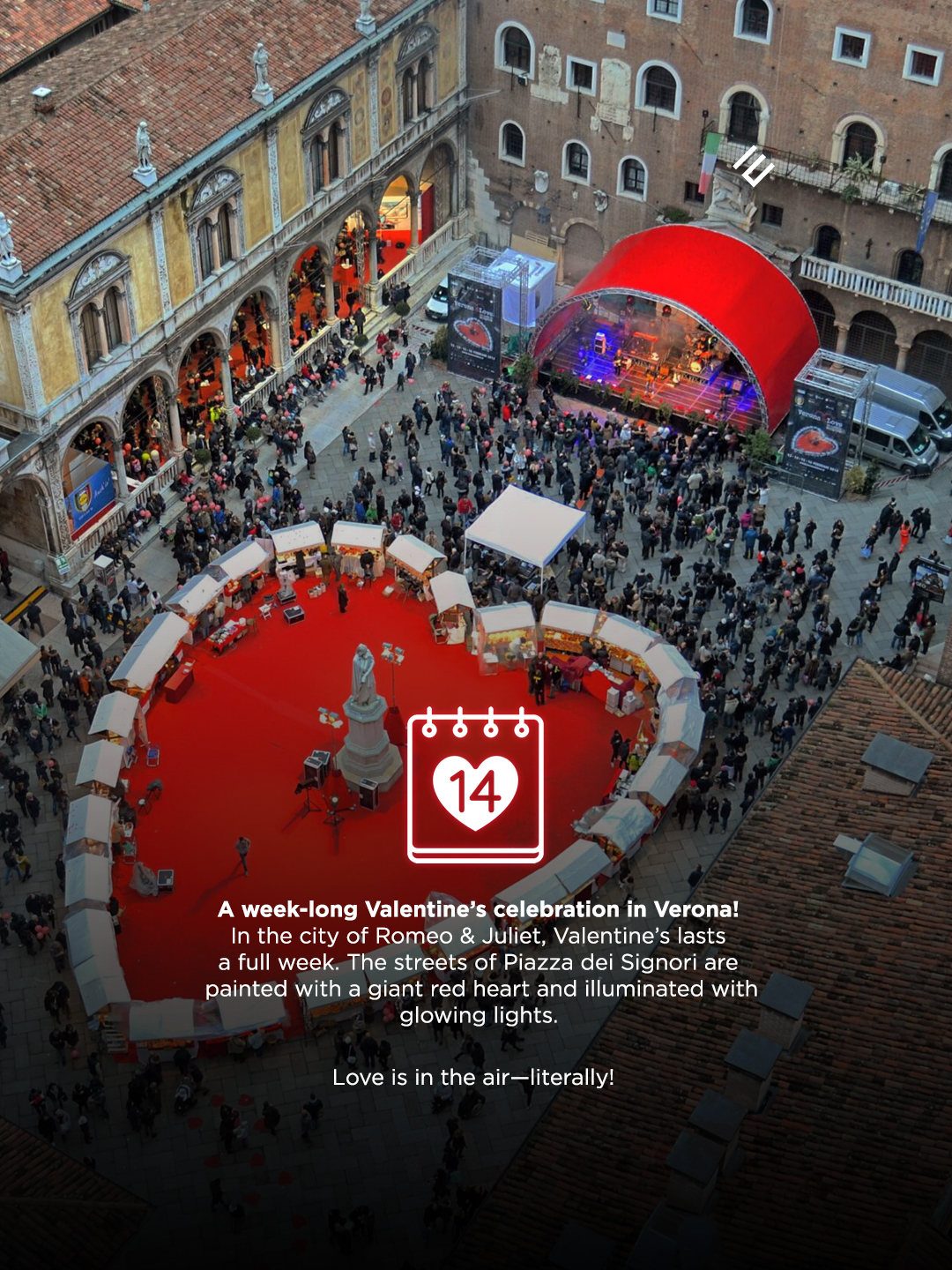
During Valentine’s season, Verona transforms into a stage for love. What begins as a single day becomes a week-long celebration known locally as “Verona in Love.”

Piazza dei Signori Painted Red

At the heart of this celebration lies Piazza dei Signori, where the streets are adorned with a giant red heart and illuminated with glowing lights. Market stalls, art installations, and live performances fill the square, creating an atmosphere that feels both festive and intimate.

Couples stroll beneath arches of light. Musicians play softly in the background. The city itself seems to glow.

It is a celebration that feels immersive—where love is not only felt but visually expressed in every corner.

Love Letters and Literary Echoes

Verona’s association with Romeo and Juliet extends beyond aesthetics. Visitors often leave handwritten notes and letters near Juliet’s balcony, expressing hopes, dreams, and declarations of affection.

These traditions blend fiction and reality in a uniquely Italian way. The city understands that romance is part imagination, part lived experience—and it celebrates both.

In Verona, Valentine’s is not confined to February 14. It is a week-long invitation to believe in love’s poetry.

Modern Celebrations with Timeless Charm - Gifts with Meaning

While flowers and chocolates are common, Italian gift-giving often leans toward symbolism rather than extravagance. Jewelry, handwritten notes, and carefully chosen keepsakes reflect thoughtfulness rather than obligation.

The emphasis remains on sentiment. A gift is meaningful because of its intention, not its price.

Public Affection, Naturally Expressed

In Italy, public displays of affection are culturally comfortable. Holding hands, sharing kisses, and strolling arm-in-arm are everyday sights. On Valentine’s Day, this openness feels amplified but never forced.

Love is woven into daily life, and February 14 simply highlights what already exists.

Why Valentine’s Feels Different in Italy - Love as a Way of Living

In many parts of the world, Valentine’s Day feels commercial. In Italy, it feels cultural. Romance is not confined to a single day—it is embedded in architecture, cuisine, art, and conversation.

The country’s history of literature, opera, and visual art reinforces a national comfort with emotion and expression. “La Festa degli Innamorati” fits naturally into this context.

The Atmosphere of Intention

What makes Valentine’s in Italy special is the atmosphere. It is not about spectacle, but about mood. Soft lighting, thoughtful meals, gentle music, and meaningful time together create a celebration that feels organic.

Love is not rushed. It is experienced.

Where Love Becomes Part of the Landscape

From its origins as a springtime gathering to candlelit dinners and week-long celebrations in Verona, Valentine’s Day in Italy carries layers of meaning.

“La Festa degli Innamorati” reminds us that romance does not need grand gestures to feel powerful. It thrives in shared walks, slow meals, glowing piazzas, and quiet words spoken sincerely.

In Italy, love is not just celebrated—it is cultivated.
And for one luminous week in February, it feels as though the entire country leans into its most beautiful language:

The language of connection, warmth, and timeless romance.

Thoughtfully Designed Journeys, Just for You

Start planning your thoughtfully designed journey with Axcell Travel Destination.

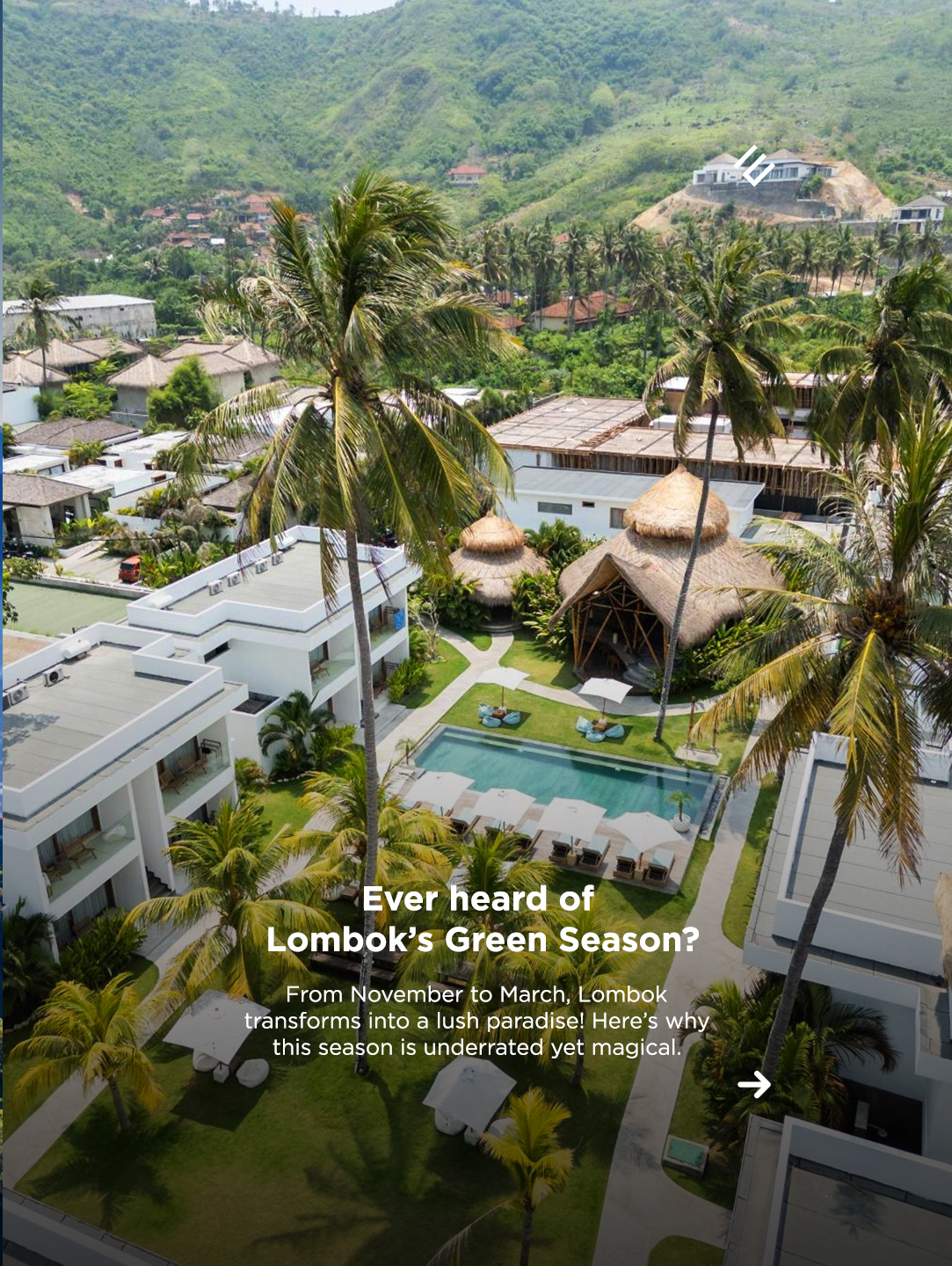
Lombok at Its Best | Green Season

Why the Rainy Months Reveal the Island’s Most Magical Side

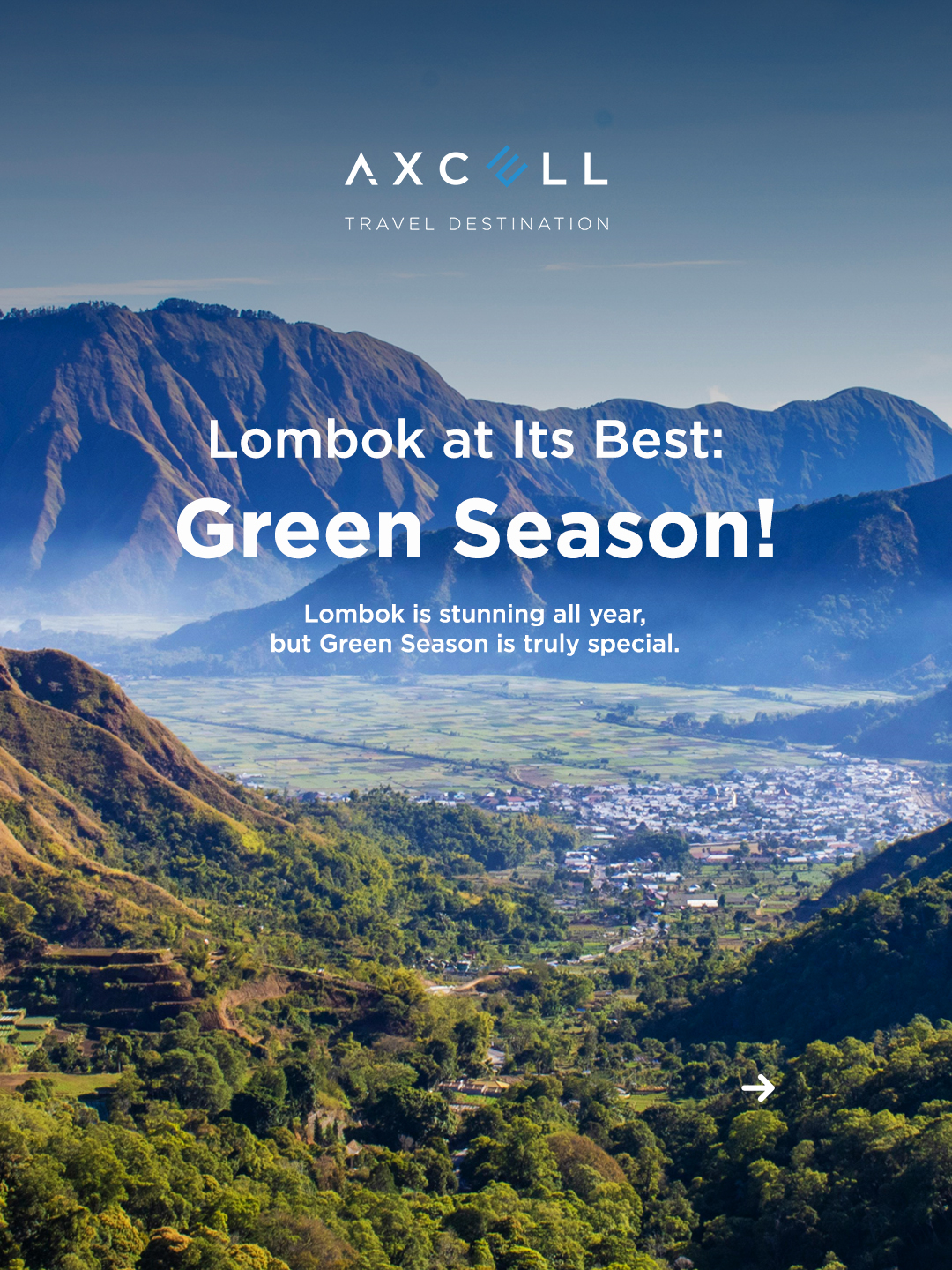
When travelers think of tropical getaways, they often picture endless sunshine and dry blue skies. But in Lombok, there is a season that quietly outshines the rest—not because it is dry, but because it is alive.

From November to March, Lombok enters what locals and seasoned travelers call the Green Season. While many hesitate at the word “rainy,” those who understand this time of year know that it transforms the island into something extraordinary.

Hills turn emerald. Rice fields shimmer with life. Waterfalls surge with energy. And beaches feel calmer, softer, and more personal.

Green Season in Lombok isn’t something to avoid—it’s something to embrace.

What Is Lombok’s Green Season? | November to March - Nature at Its Peak

Green Season refers to Lombok’s wetter months, typically from November through March. Rain showers are frequent but rarely constant. Instead of day-long storms, the island often experiences tropical bursts—intense but brief—followed by fresh air and glowing skies.

This rhythm nourishes the land. Forests deepen in color. Grasslands become velvety carpets of green. Rivers and waterfalls regain their strength.

Rather than limiting exploration, this season enhances it—offering a Lombok that feels vibrant and dynamic.

An Underrated Window for Travel

Many travelers prioritize dry season travel, leaving Green Season quieter and less crowded. Yet this is precisely what makes it magical. The island breathes differently when fewer visitors are present.

Accommodations often offer better availability. Landscapes feel untouched. And the experience becomes more intimate.

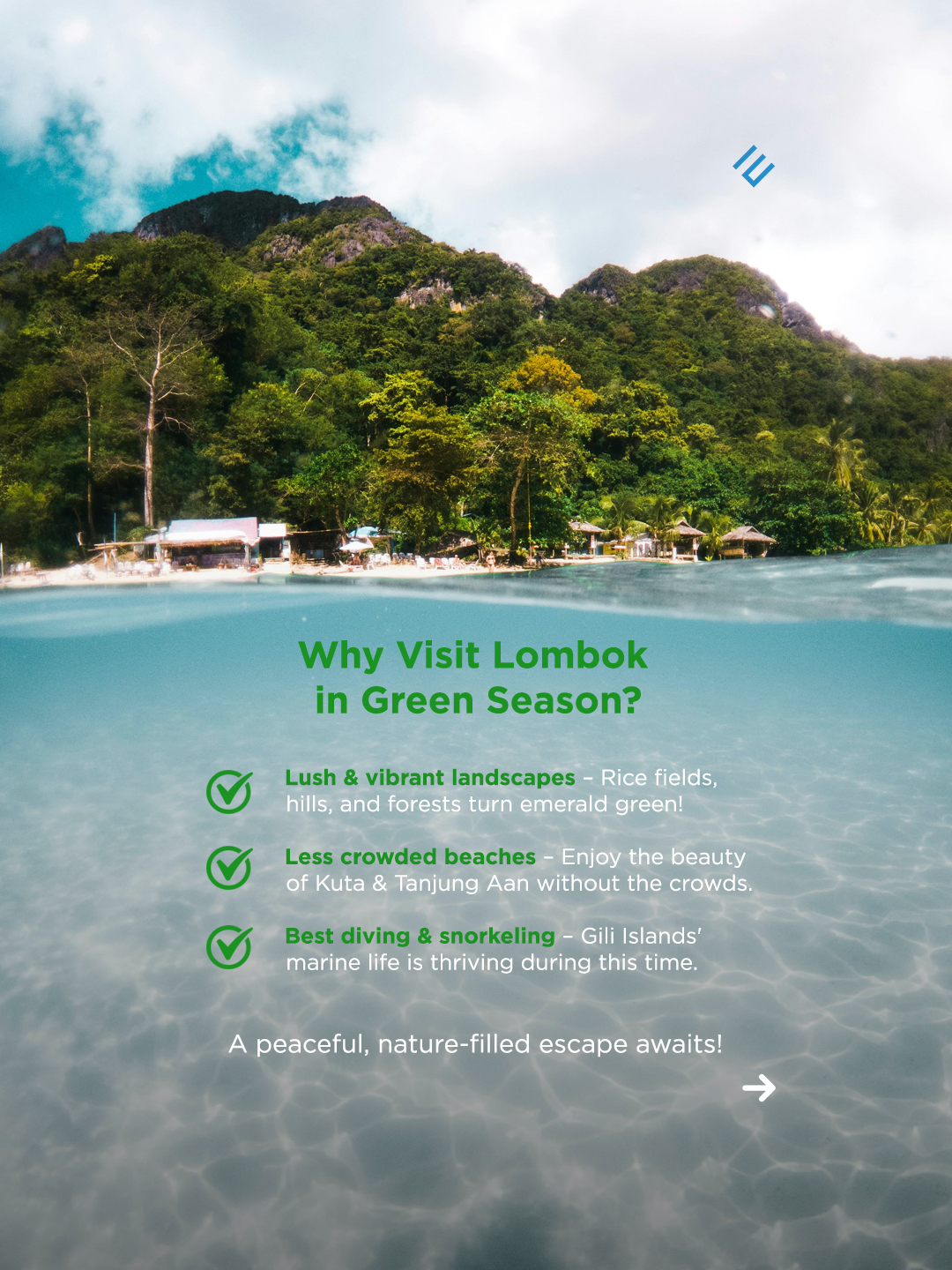
Lush & Vibrant Landscapes - Rice Fields in Their Full Glory

During Green Season, Lombok’s rice terraces transform dramatically. Fields that may appear golden or muted during dry months burst into brilliant shades of green. The contrast between paddies and palm trees creates a landscape that feels almost surreal.

Morning mist drifting over emerald hills adds to the atmosphere, especially in rural villages and countryside roads. The island looks not just beautiful—but alive.

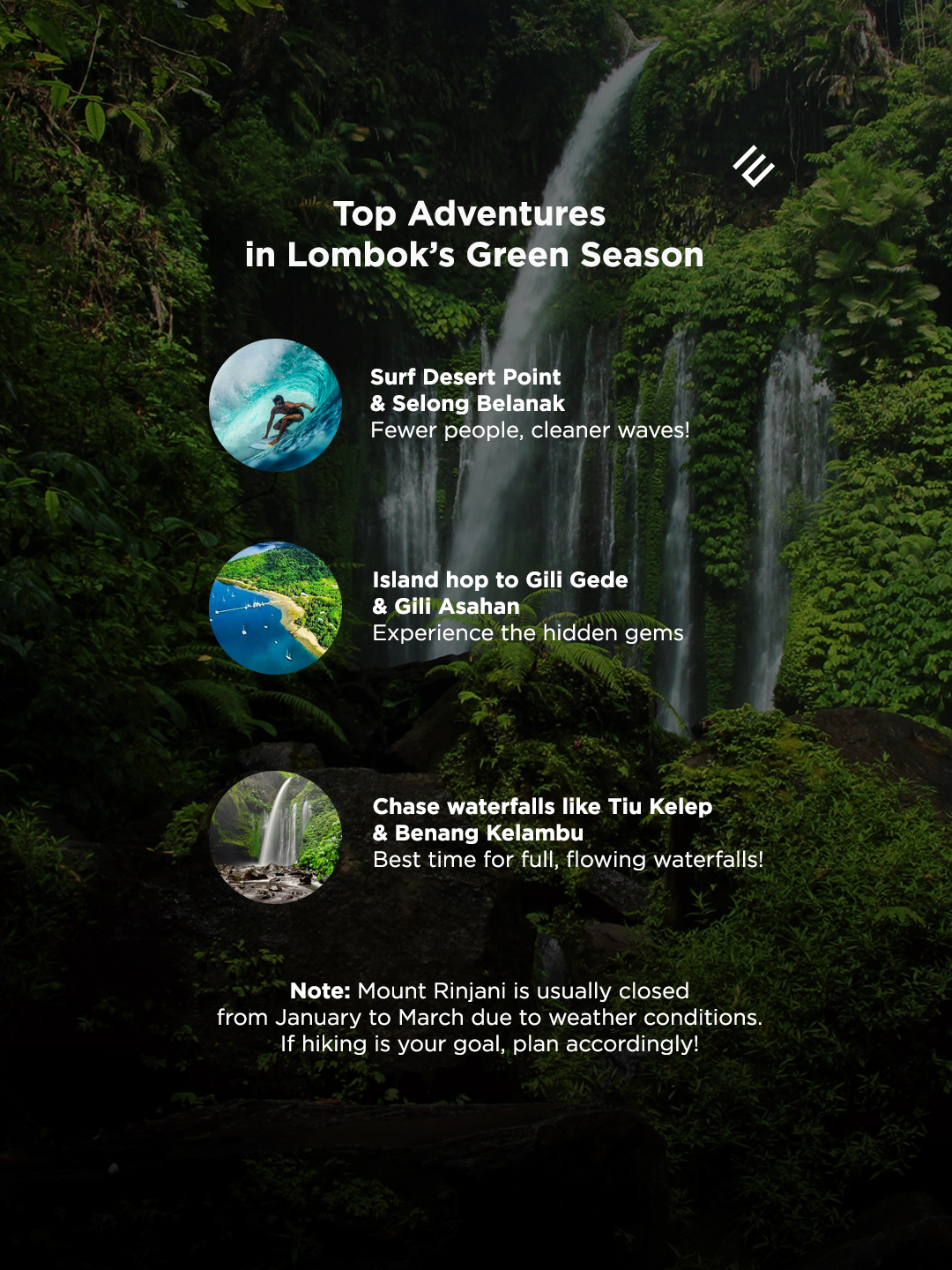
Forests and Waterfalls Reawakened

Rainfall rejuvenates Lombok’s inland forests. Trails feel cooler, leaves glisten, and waterfalls flow more powerfully. Nature becomes immersive, not just scenic.

For hikers and photographers, this season offers unparalleled depth of color and texture. Every shade of green feels richer. Every path feels quieter.

Green Season reminds visitors that Lombok is more than beaches—it is a living ecosystem.

Less Crowded Beaches - Kuta Lombok Without the Rush

The southern coastline, including Kuta Lombok, is known for its dramatic beaches and relaxed surf culture. During peak dry months, these shores can become lively with visitors.

In Green Season, however, beaches often feel spacious and calm. Walking along the sand becomes a personal experience rather than a crowded one.

Cloud formations after rain often create dramatic skies, enhancing sunset views and adding texture to coastal photography.

The Beauty of Tanjung Aan

Nearby Tanjung Aan is especially captivating during this time. Its turquoise waters contrast sharply against the lush hills that frame the bay.

With fewer crowds, swimming and relaxing feel effortless. The sound of waves becomes more pronounced without background noise. Even beach cafés seem slower, inviting longer stays.

Green Season transforms beaches from social hubs into peaceful retreats.

Thriving Marine Life Around the Gili Islands - A Season of Abundance

Off Lombok’s northwest coast lie the famous Gili Islands—Gili Trawangan, Gili Air, and Gili Meno. These islands are celebrated for snorkeling and diving, and Green Season offers unique advantages.

Nutrient-rich waters during this period often support thriving marine ecosystems. Coral reefs appear vibrant, and marine life remains active. Visibility can still be excellent, particularly during calm weather windows.

Fewer Divers, More Space

Just as on land, fewer visitors mean more personal underwater experiences. Snorkeling feels less crowded, and dive groups are often smaller.

Floating above coral gardens while tropical fish weave below feels immersive and unhurried. For many, Green Season reveals the Gilis in a softer, more serene way.

The Rhythm of Rain - Tropical Showers with Purpose

Rain in Lombok’s Green Season rarely dominates the entire day. Showers often arrive in bursts, cooling the air and intensifying colors. Afterward, the island feels refreshed—almost polished.

This pattern encourages flexibility. Travelers adjust plans naturally, perhaps exploring inland during dry windows and enjoying quiet café moments during rain.

A Different Kind of Luxury

Green Season redefines luxury. It is not about constant sunshine; it is about contrast—the scent of wet earth, the sound of rainfall on palm leaves, the glow of sun breaking through clouds.

It invites slower mornings, deeper relaxation, and connection with nature’s cycles.

A Peaceful, Nature-Filled Escape | Space to Breathe

One of Green Season’s greatest gifts is space. Without peak-season crowds, Lombok feels expansive. Roads are quieter. Beaches are calmer. Even popular viewpoints feel more intimate.

Travel becomes less about timing and more about presence.

A Season for Reflection

Green landscapes naturally encourage grounding. Surrounded by life and growth, many visitors find themselves slowing down—spending more time observing, listening, and appreciating simplicity.

Green Season isn’t about doing more. It’s about experiencing deeply.

When Lombok Feels Most Alive

Lombok is beautiful year-round. But during Green Season, it reveals a side that feels raw, authentic, and profoundly alive.

Emerald hills stretch endlessly. Beaches breathe quietly. Marine life thrives. Rainfall becomes part of the story, not an obstacle to it.

For travelers willing to see beyond traditional “dry season” expectations, Green Season offers something rare: a Lombok that feels untouched, intimate, and deeply connected to nature.

Sometimes the most magical time to visit isn’t when the skies are cloudless—
but when the island is at its greenest.

Thoughtfully Designed Journeys, Just for You

Start planning your thoughtfully designed journey with Axcell Travel Destination.

Swap Snow for Sunshine

The Best Tropical Destinations to Ditch Winter and Soak Up the Sun

When winter settles in—bringing grey skies, icy sidewalks, and layers of heavy clothing—many travelers begin to crave something different. Warmth. Light. The feeling of sand beneath bare feet and sunlight on skin. Swapping snow for sunshine is more than a seasonal escape; it is a reset for the senses.

Tropical destinations offer more than warm weather. They provide a shift in pace, energy, and perspective. Days stretch longer under golden skies. Meals taste fresher. Time feels less rigid. And the body responds almost instantly to the simple luxury of warmth.

If you’re dreaming of trading cold winds for ocean breezes, here are three tropical destinations that promise sun-drenched days and unforgettable experiences: Bali, the Maldives, and Phuket.

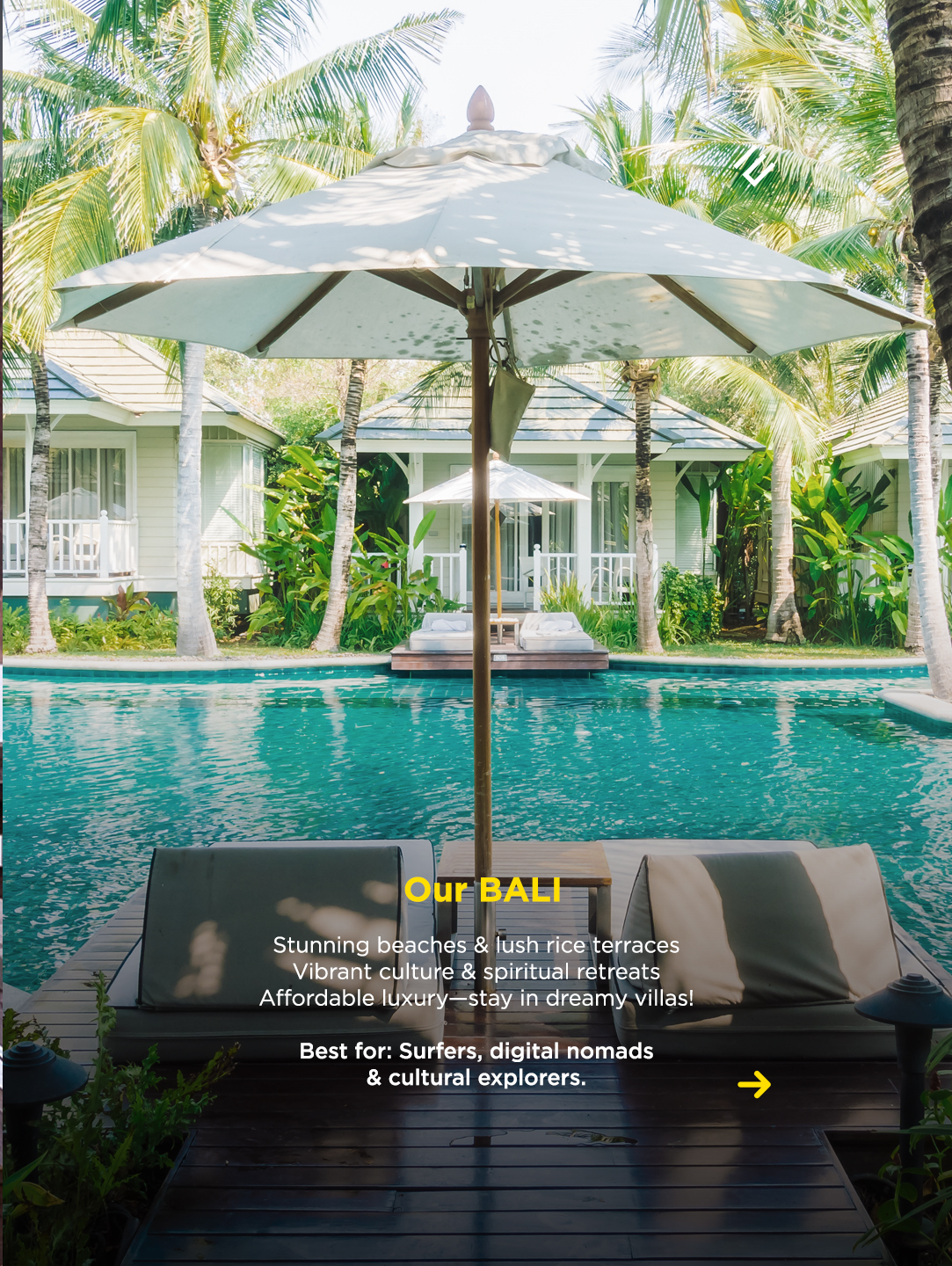
Bali, Indonesia - Beaches That Shift with the Mood

On the island of Bali, beaches come in many personalities. From lively surf breaks along the southern coast to quieter stretches where waves lap gently at golden sand, Bali adapts to different travel styles.

Surfers gather at sunrise to catch the first waves, while others stroll barefoot at sunset as the sky glows orange and pink. The warmth here is constant, but the atmosphere changes depending on where you choose to land.

Lush Rice Terraces and Jungle Calm

Beyond the coastline, Bali reveals another side—one defined by emerald rice terraces, winding paths, and misty mornings. Inland areas such as Ubud offer landscapes shaped by tradition and agriculture, where rice fields cascade down hillsides in perfect, sculpted layers.

This lushness is especially inviting during the cooler winter months elsewhere in the world. The greenery feels alive, almost therapeutic, offering contrast to winter’s muted tones.

Culture and Spiritual Retreats

Bali’s vibrancy is not only visual; it is cultural. Temples, ceremonies, and offerings are part of daily life. Travelers seeking deeper experiences often find Bali ideal for yoga retreats, meditation sessions, and holistic wellness programs.

Here, affordable luxury makes dreamy villas with private pools surprisingly accessible. The balance between comfort and authenticity allows visitors to enjoy indulgence without disconnecting from the island’s cultural heart.

Best for: surfers, digital nomads, and cultural explorers seeking both inspiration and ease.

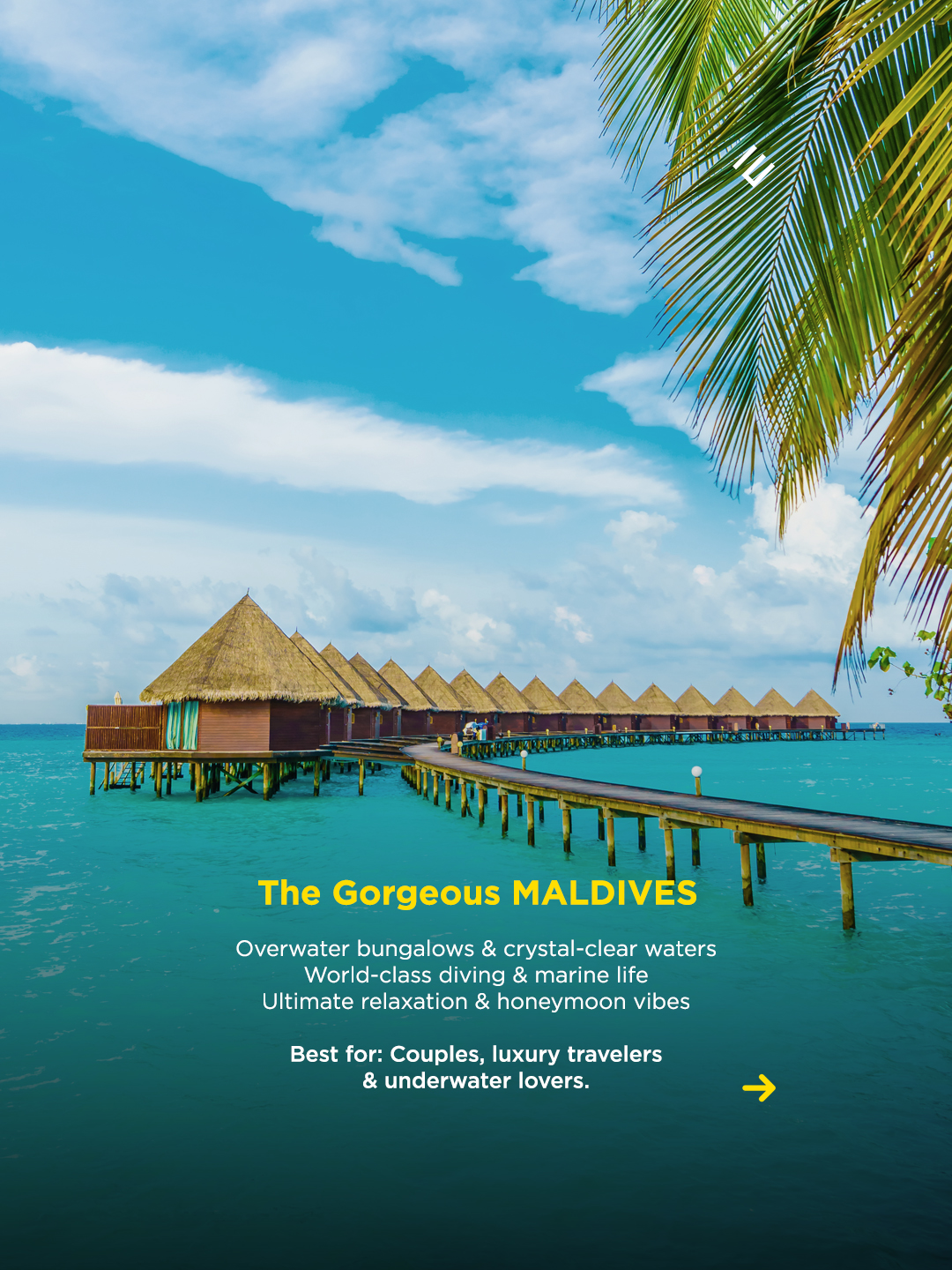
The Maldives - Overwater Bungalows and Endless Blue

Few places evoke tropical fantasy quite like the Maldives. Overwater bungalows perched above crystal-clear lagoons have become iconic symbols of luxury escape.

Waking up to uninterrupted ocean views, stepping directly into warm water from your private deck, and watching sunsets melt into the horizon—these experiences redefine relaxation. The rhythm of the sea becomes the rhythm of the day.

Marine Life and World-Class Diving

Beneath the surface lies another world entirely. The Maldives is renowned for its vibrant coral reefs, abundant marine life, and world-class diving conditions. Snorkeling and diving excursions reveal colorful fish, manta rays, and even whale sharks in their natural habitat.

The water’s clarity and warmth make underwater exploration accessible even to beginners, turning the ocean into a playground for discovery.

Privacy and Romance

The Maldives excels in creating an atmosphere of intimacy. Resorts are often located on private islands, offering seclusion and personalized service. This makes it especially appealing for couples, honeymooners, and travelers seeking uninterrupted tranquility.

Here, winter feels impossibly distant. Days are unhurried. Evenings are defined by soft ocean breezes and starlit skies.

Best for: couples, luxury travelers, and underwater enthusiasts longing for serenity.

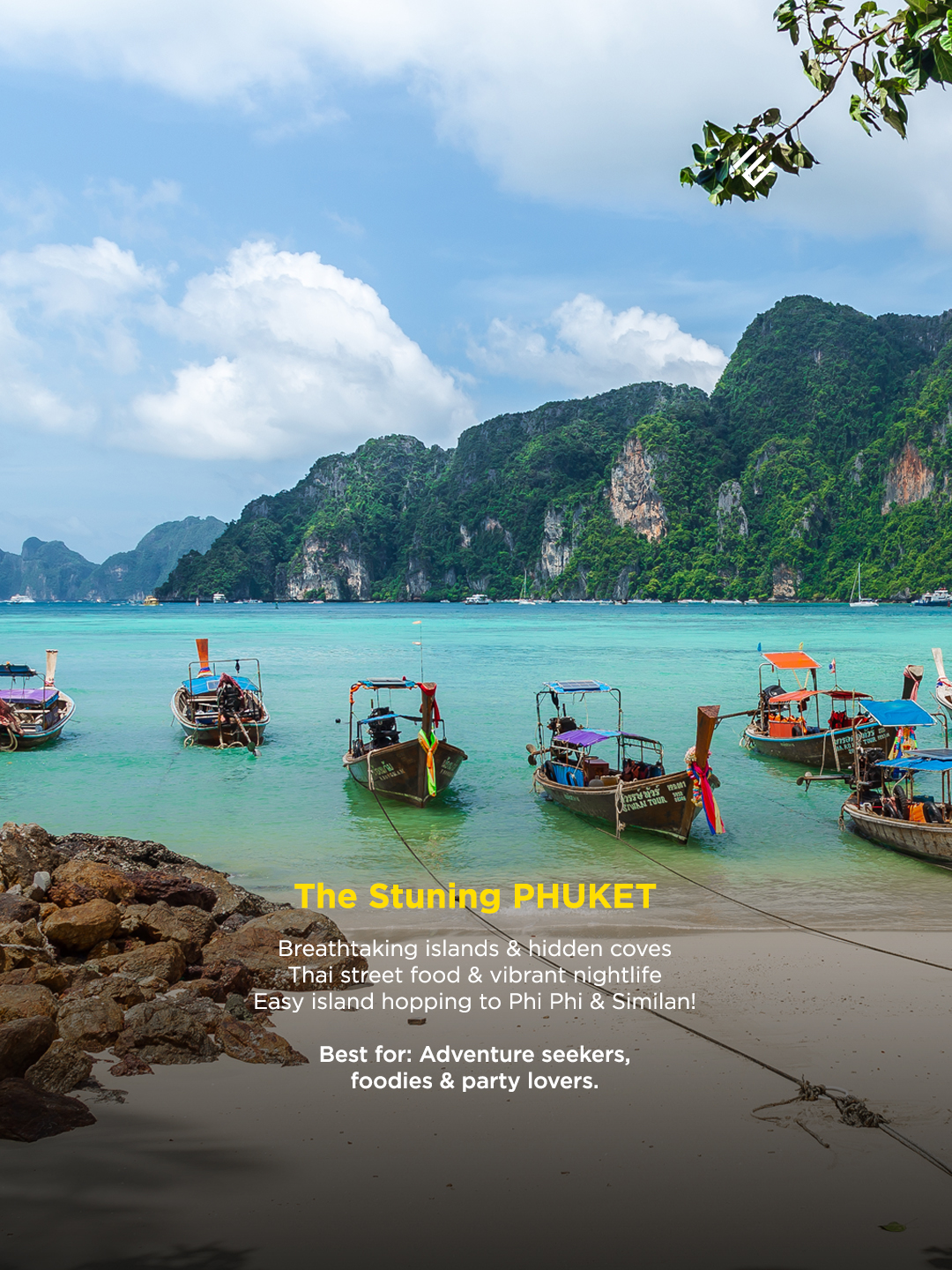
Phuket, Thailand - A Gateway to Island Adventures

Located in southern Thailand, Phuket combines natural beauty with vibrant energy. Its coastline is dotted with beaches that range from lively to secluded, offering flexibility for every type of traveler.

One of Phuket’s greatest advantages is accessibility. It serves as a gateway to nearby islands, making day trips and island hopping effortless.

Phi Phi and the Similan Islands

From Phuket, boats depart regularly to breathtaking destinations such as the Phi Phi Islands and the Similan Islands. Limestone cliffs, hidden coves, and impossibly clear water define these excursions.

Snorkeling, kayaking, or simply drifting between islands offers a sense of movement and exploration that contrasts beautifully with winter’s stillness.

Street Food and Nightlife

Phuket is also a destination for the senses. Thai street food bursts with flavor—spicy, sweet, tangy, and aromatic. Night markets and seaside restaurants invite casual dining experiences that feel vibrant yet approachable.

As the sun sets, certain areas come alive with music and nightlife, offering options for those who prefer evenings filled with energy and social connection.

Best for: adventure seekers, food lovers, and travelers who want both relaxation and excitement.

Choosing Your Sunshine Escape

Different warmth for different moods

Each destination offers a unique way to swap snow for sunshine.

  • Bali blends culture, wellness, and natural beauty in a way that feels grounded yet inspiring.

  • The Maldives delivers refined tranquility and immersive marine experiences.

  • Phuket balances tropical landscapes with dynamic flavor and island exploration.

The right choice depends on what kind of warmth you’re seeking—calm, indulgent, or adventurous.

When Sunshine Becomes a Reset

Winter has its own quiet charm, but stepping into tropical sunlight can feel transformative. The body relaxes. The mind opens. The pace softens.

Swapping snow for sunshine isn’t just about escaping cold weather—it’s about reconnecting with warmth in every sense. Warm air, warm water, warm hospitality.

Whether it’s Bali’s lush terraces, the Maldives’ endless turquoise, or Phuket’s vibrant coastlines, the promise remains the same:

Sunshine has a way of reminding us how good it feels to slow down, breathe deeply, and let the light in.

Thoughtfully Designed Journeys, Just for You

Start planning your thoughtfully designed journey with Axcell Travel Destination.

Welcoming the Year of the Wood Snake with Renewal, Wisdom, and New Journeys

As the Lunar New Year arrives, a familiar greeting echoes through homes, streets, and celebrations across cultures: 恭喜發財—a wish for prosperity, good fortune, and abundance. More than a phrase, it is an expression of hope, gratitude, and optimism for what lies ahead.

This year, we step into the Year of the Wood Snake, a cycle associated with wisdom, transformation, patience, and quiet strength. It is a year that encourages thoughtful progress rather than haste—an invitation to grow steadily, choose carefully, and move forward with intention.

As we welcome this new chapter, it is also a moment to reflect on journeys shared and journeys yet to come—experiences that connect us to places, cultures, and one another in meaningful ways.

The Meaning Behind 恭喜發財 - More Than a Festive Phrase

“恭喜發財” is often heard during Lunar New Year celebrations, exchanged among family, friends, and colleagues. While commonly translated as “wishing you wealth,” its deeper meaning extends beyond material success.

The phrase reflects a broader hope: that the coming year will bring stability, opportunity, and well-being. It is about flourishing—not only financially, but emotionally, socially, and spiritually. Spoken with sincerity, it carries warmth and goodwill, reinforcing bonds between people at the start of a new cycle.

A Time for Renewal

Lunar New Year is traditionally a moment of resetting intentions. Homes are cleaned, debts are settled, and unresolved matters are addressed—symbolizing the clearing away of old energy to make space for new beginnings.

In this context, “恭喜發財” becomes a wish for a year unburdened by the past, where growth is welcomed and shared.

The Year of the Wood Snake - Understanding the Snake’s Symbolism

In the Chinese zodiac, the Snake is associated with intelligence, intuition, and transformation. Unlike more overtly energetic signs, the Snake represents quiet observation, strategic movement, and inner strength.

Snakes shed their skin—a powerful symbol of renewal. In the Year of the Snake, progress is often subtle but profound, encouraging individuals to evolve thoughtfully rather than rush change.

The Influence of the Wood Element

Paired with the Wood element, this year emphasizes growth, creativity, and resilience. Wood represents upward movement and expansion, but in a grounded, organic way. Together, Wood and Snake suggest a year of intentional development—one where plans are nurtured patiently and success is built over time.

It is a year well-suited to long-term visions, mindful decisions, and experiences that deepen understanding rather than seek instant gratification.

A Year of Meaningful Journeys - Travel with Intention

The Year of the Wood Snake aligns beautifully with a more mindful approach to travel. Rather than chasing destinations, it encourages journeys that feel purposeful—where experiences are chosen for meaning, connection, and personal enrichment.

Travel becomes less about how many places you visit, and more about how deeply you experience them. Cultural immersion, slower itineraries, and moments of reflection take center stage.

Creating Unforgettable Experiences

Meaningful travel is built on details: conversations with locals, shared meals, quiet mornings, and moments of awe. These are the experiences that stay with us long after the journey ends.

As we look ahead, the spirit of the Wood Snake invites us to design trips that balance exploration with ease, excitement with intention—journeys that feel both inspiring and restorative.

Health, Happiness, and Shared Adventures - Health as the Foundation

True prosperity begins with well-being. The Lunar New Year is traditionally a time to wish for good health, longevity, and balance. In the Year of the Wood Snake, this emphasis feels especially relevant—encouraging care for both body and mind.

Whether through rest, mindful movement, or time spent in nature, nurturing health allows every journey to be enjoyed fully.

Happiness Through Connection

Happiness during Lunar New Year is deeply tied to togetherness. Reunion dinners, shared traditions, and meaningful conversations remind us that joy is amplified when experienced collectively.

Travel mirrors this idea. The most memorable trips are often those shared with others—family, friends, or even fellow travelers met along the way.

Adventures That Inspire

As the new year unfolds, adventure does not always mean intensity. Sometimes, it means discovery—of a new culture, a new perspective, or a new rhythm of life. The Wood Snake’s energy encourages exploration that feels enriching rather than exhausting.


Looking Forward Together – Gratitude for the Path So Far

The arrival of a new year is also a moment to pause and express gratitude—for journeys taken, lessons learned, and connections formed. Each experience becomes part of a larger story, shaping how we move forward.

Excitement for What’s Ahead

With the Year of the Wood Snake, the future feels quietly promising. It invites us to continue our journey together—crafting experiences that are thoughtful, seamless, and memorable.

As new destinations beckon and new adventures take shape, the focus remains on quality, intention, and care—values that turn travel into something truly meaningful.

A New Year, A Renewed Journey

As we welcome the Year of the Wood Snake, 恭喜發財 becomes more than a greeting—it becomes a shared intention. A wish for health that sustains us, happiness that connects us, and adventures that inspire us.

May this new year bring steady growth, quiet wisdom, and journeys filled with purpose. May every step forward be taken with intention, and every experience leave us richer in stories and perspective.

Here’s to a year of renewal, discovery, and unforgettable travel—together.

Thoughtfully Designed Journeys, Just for You

Start planning your thoughtfully designed journey with Axcell Travel Destination.

Book Recommendations for Long Travels

Stories That Keep You Company Across Time Zones, Miles, and Moments of Reflection

Long journeys have a unique rhythm. Hours stretch differently when you’re crossing oceans, riding overnight trains, or waiting through layovers in unfamiliar airports. In those in-between moments—when the scenery blurs, the cabin lights dim, and time feels suspended—a good book can become more than entertainment. It becomes a companion.

The right book doesn’t just help pass the time. It deepens the journey. It mirrors the questions that often surface when we travel: Who am I becoming? What am I searching for? What does home really mean? For long travels, stories that explore meaning, resilience, and self-discovery tend to resonate the most.

Below are three books that travelers around the world continue to carry in their bags. Each one offers a different kind of journey—spiritual, adventurous, and deeply personal—making them perfect companions for long hours on the road or in the air.

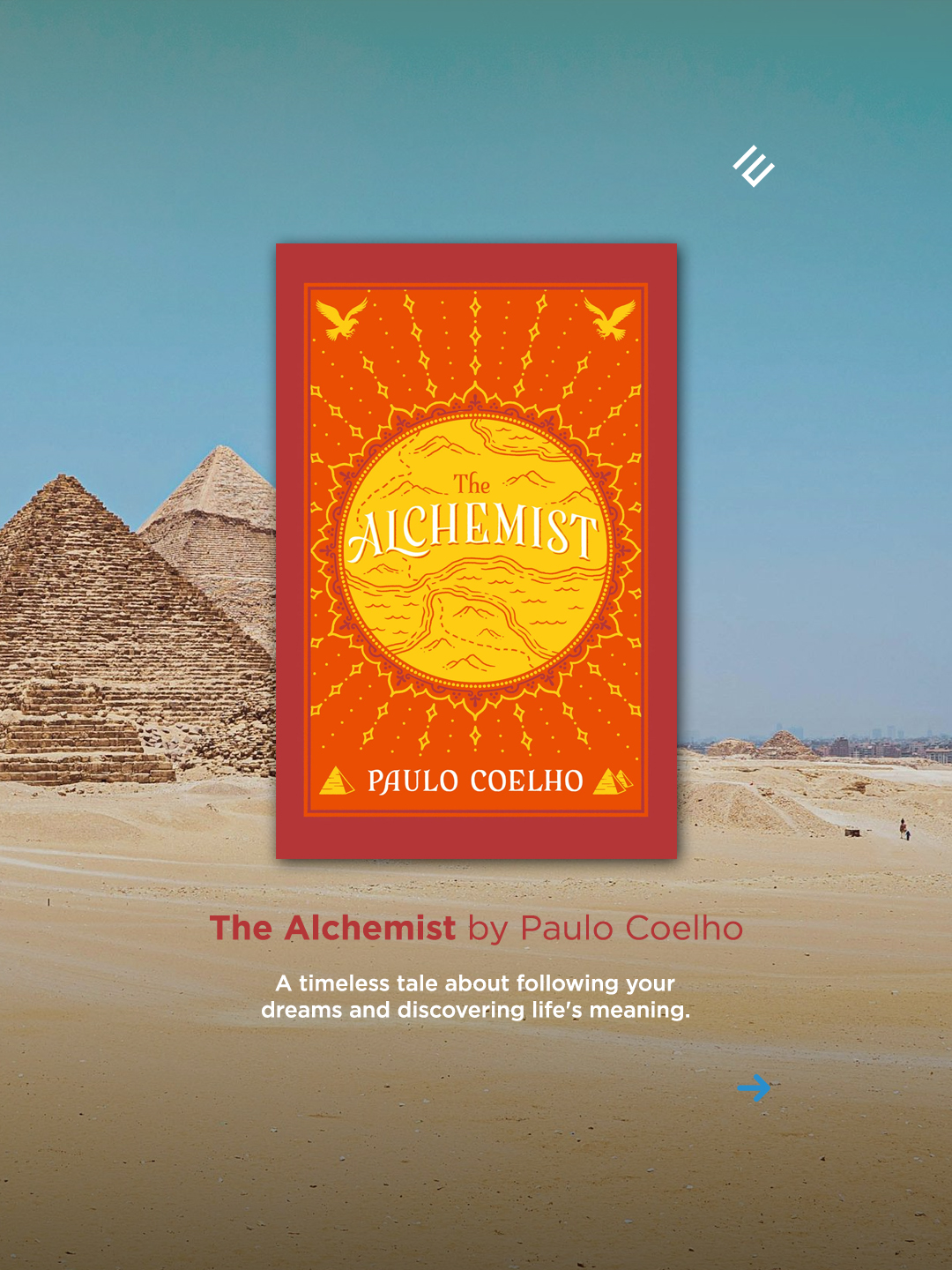
The Alchemist by Paulo Coelho - A Story That Travels With You

Few books feel as naturally suited to travel as The Alchemist. At its heart, it is a story about movement—across deserts, cultures, and states of mind. Following the journey of a young shepherd searching for his destiny, the novel unfolds like a quiet conversation between the reader and their own aspirations.

Its language is simple, yet its ideas linger. This is not a book meant to be rushed. It invites pauses, rereading, and reflection—making it ideal for long flights or train rides where time allows thoughts to wander.

Why It Works So Well for Long Trips

Travel often places us in a reflective mindset. Removed from daily routines, we begin to think differently about choices, goals, and direction. The Alchemist meets readers exactly in that space.

The story gently reminds us that journeys are rarely just about reaching a destination. They are about listening—to intuition, to chance encounters, and to the quiet voice that asks us what we truly want. Reading it while traveling often makes the message feel more personal, as if the book is responding to the movement happening outside your window.

A Book That Feels Like a Companion

Rather than overwhelming the reader with plot twists or dense prose, The Alchemist offers calm presence. It is the kind of book you can open for a few pages, close, and still feel its presence with you.

For many travelers, it becomes less of a story and more of a reminder: that even uncertainty has purpose, and that every journey—planned or unexpected—can hold meaning.

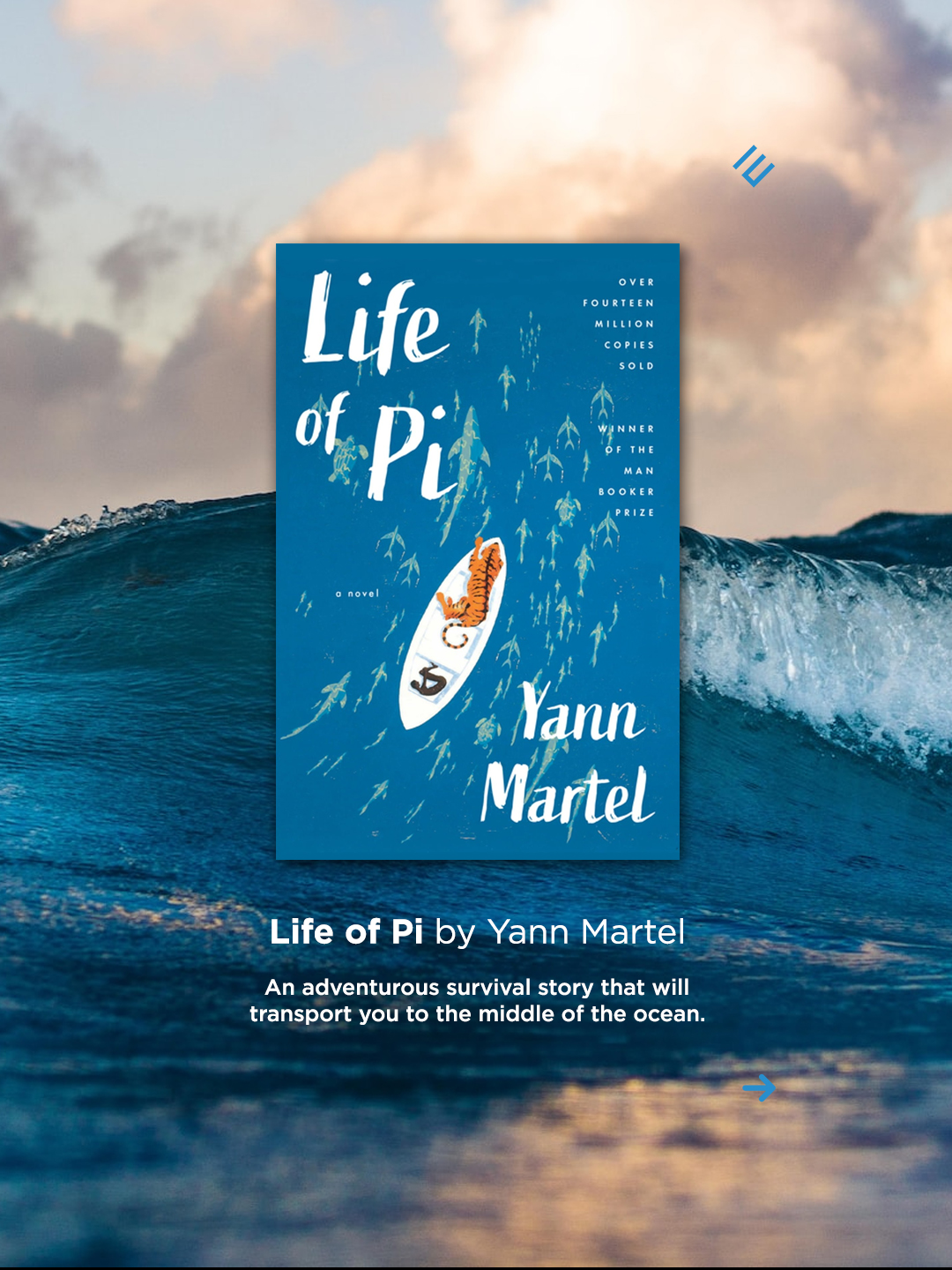
Life of Pi by Yann Martel - An Ocean Between You and the World

Life of Pi is a novel that immediately pulls readers into an extraordinary situation: survival at sea against impossible odds. Set largely on the open ocean, the story creates a sense of isolation that feels especially immersive during long stretches of travel.

Reading this book while flying over water or journeying far from home adds an almost surreal layer to the experience. The vastness described in the story mirrors the physical distance travelers are covering, making the narrative feel expansive and intense.

More Than a Survival Story

While Life of Pi is filled with adventure and tension, its true strength lies in its emotional and philosophical depth. The novel explores faith, resilience, and the stories we tell ourselves to survive—not just physically, but emotionally.

Long travels often come with moments of fatigue, disorientation, or quiet vulnerability. This book resonates during those moments, offering a reminder of human adaptability and inner strength.

Perfect for Immersive Reading

Unlike lighter travel reads, Life of Pi encourages immersion. It pulls you fully into its world, making time pass almost unnoticed. This makes it especially well-suited for long flights, overnight journeys, or days spent in transit where deep focus becomes a gift rather than a challenge.

When you close the book, the journey feels richer—both the one on the page and the one you’re living.

Eat, Pray, Love by Elizabeth Gilbert - Travel as Transformation

Few books capture the emotional landscape of travel as intimately as Eat, Pray, Love. Structured around journeys through different countries, the memoir explores how changing locations can prompt internal change.

For travelers, this narrative often feels familiar. The desire to step away from routine, to seek clarity in unfamiliar places, and to reconnect with oneself mirrors why many people travel in the first place.

A Mirror for the Wandering Mind

Long trips often open space for self-reflection. Eat, Pray, Love speaks directly to that mindset. It doesn’t present travel as an escape, but as a process—sometimes joyful, sometimes uncomfortable, always revealing.

Reading this book while traveling can feel like sharing thoughts with a friend who understands the emotional highs and lows of being on the move. It validates uncertainty and curiosity, reminding readers that searching is not a weakness, but part of growth.

Easy to Pick Up, Hard to Forget

The memoir’s episodic structure makes it ideal for travel reading. Chapters can be enjoyed in short bursts during layovers or longer stretches during flights. Its conversational tone makes it accessible, while its themes give it lasting emotional weight.

For many wanderers, this book becomes a quiet affirmation that travel is not just about places—it’s about becoming.

Choosing the Right Book for Your Journey

When You Want Reflection

If your journey feels contemplative—perhaps a solo trip or a long-haul flight—The Alchemist offers gentle guidance without demanding emotional intensity.

When You Want Escape and Depth

If you crave immersion and emotional engagement, Life of Pi provides both adventure and philosophical exploration, perfect for losing yourself in another world.

When You Want Connection

If your travel is part of a personal transition or period of self-discovery, Eat, Pray, Love speaks directly to the heart of wandering.

Stories That Travel With You

Long travels are more than physical movement—they are pauses between chapters of life. The right book can turn those pauses into meaningful experiences, helping you reflect, escape, or reconnect as the journey unfolds.

Whether you’re crossing continents or simply spending hours in transit, these stories offer more than distraction. They offer perspective. They remind us that journeys—both on the road and within ourselves—are rarely linear, but always valuable.

Because sometimes, the most memorable part of a long trip isn’t just where you go…
It’s the story you carry with you along the way.

Thoughtfully Designed Journeys, Just for You

Start planning your thoughtfully designed journey with Axcell Travel Destination.