
Wae Rebo – Hiddem Gem in Indonesia

Ever Dreamed of Waking Up Above the Clouds?

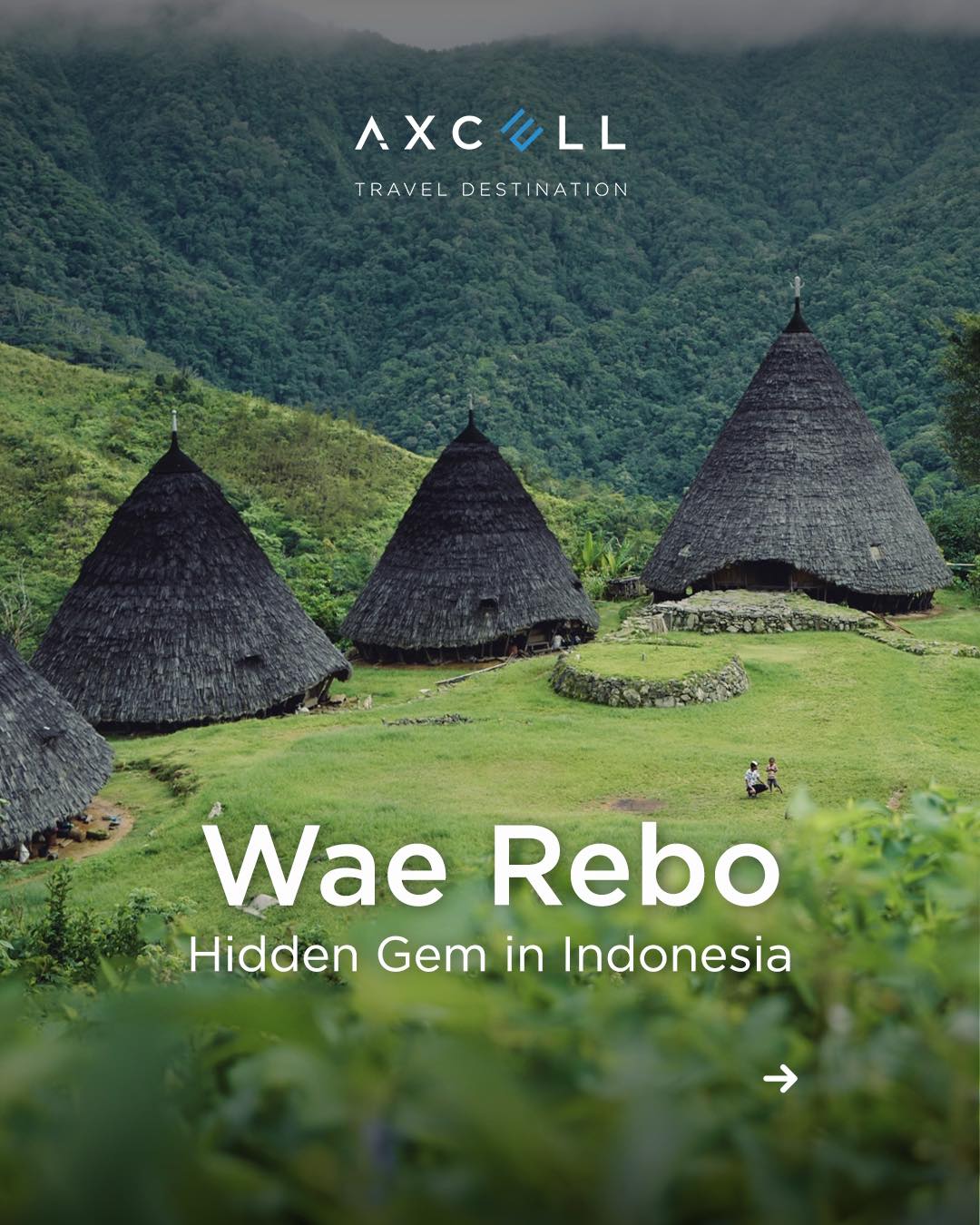
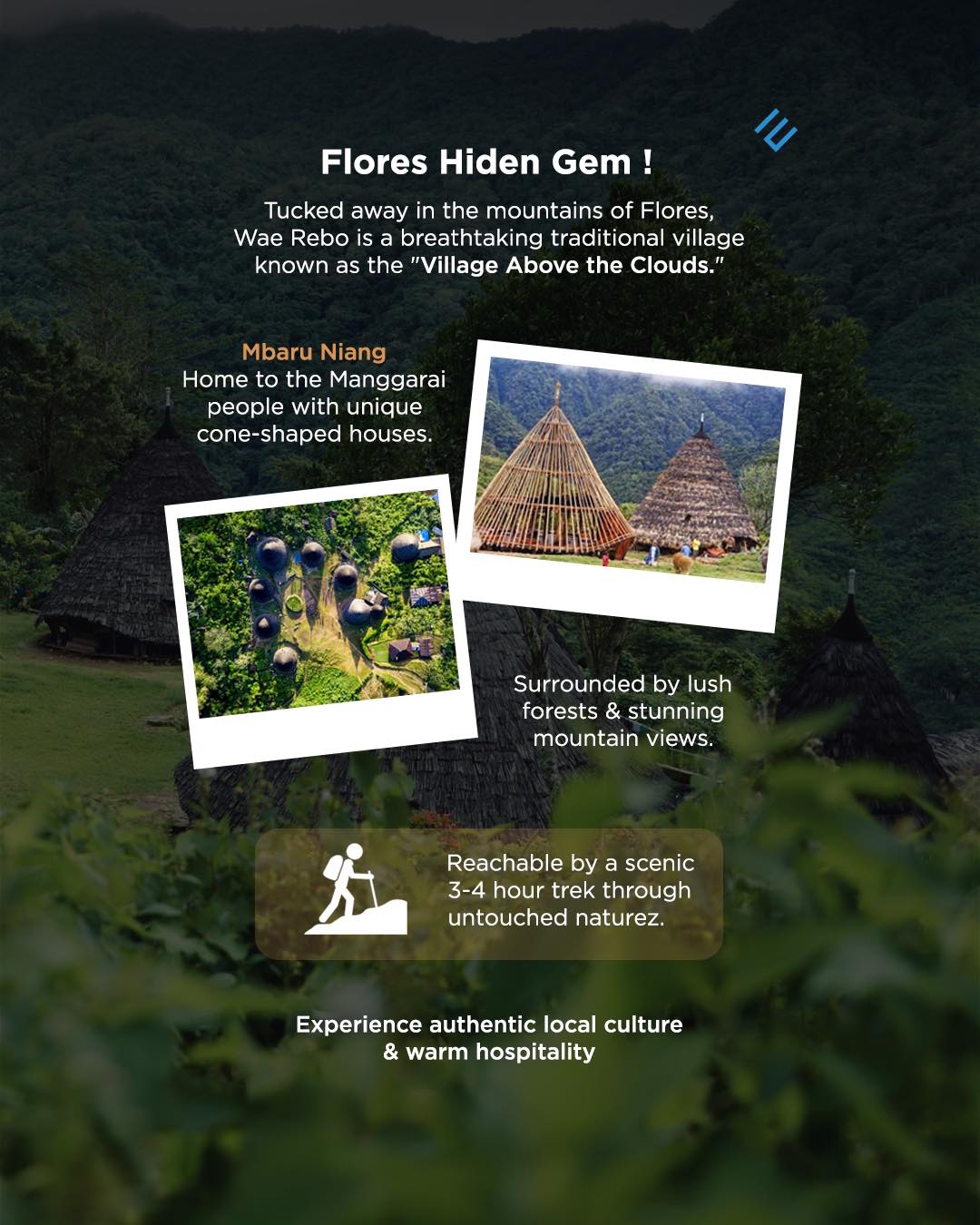
Wae Rebo, a hidden mountain village where time slows and traditions endure. Ever dreamed of waking up above the clouds—where mist drifts past your window, roosters echo across a green valley, and the day begins in quiet harmony with nature? Hidden deep in the mountains of Flores, Wae Rebo is a magical village that feels suspended between earth and sky. Often wrapped in soft fog, this remote settlement offers travelers a rare chance to step into a living culture shaped by patience, respect, and balance with the land.

Wae Rebo isn’t a place you stumble upon. It’s a destination you earn—and that effort is part of its magic.
Wae Rebo
Wae Rebo
A City That Defies Time

Built in the 15th century and hidden from the outside world for centuries, Machu Picchu remains one of humanity’s most remarkable achievements. Its exact purpose is still debated, adding to its mystique. Was it a royal estate, a ceremonial center, an astronomical observatory—or all of these at once?

What is certain is the precision. Stone blocks fit together so perfectly that even today, centuries after construction, the structures remain remarkably intact. Without mortar, wheels, or modern tools, the builders shaped and positioned massive stones with astonishing accuracy—creating architecture designed to endure earthquakes, storms, and time itself.

Walking through Machu Picchu, you don’t just see ruins; you witness mastery.

A Village Lost in Time—and Found in the Mountains

Perched at around 1,200 meters above sea level, Wae Rebo sits in a natural bowl surrounded by forested ridges. From afar, its cluster of iconic cone-shaped houses—known locally as Mbaru Niang—appears almost unreal, like something imagined rather than built. Yet these structures are very real, and they represent generations of knowledge passed down through careful tradition.

Life here follows a rhythm dictated by nature. Days begin with the sound of the forest and end beneath a sky filled with stars. There are no busy streets, no traffic, and no rush. Instead, Wae Rebo invites visitors to slow down—to listen, observe, and participate respectfully in daily village life.

The People and Their Living Heritage

Wae Rebo is home to a close-knit community whose customs have been preserved for centuries. Their traditions are not performances; they are lived experiences. From communal meals to ceremonial gatherings, every aspect of village life reflects shared values of cooperation, gratitude, and harmony.

The Mbaru Niang houses themselves are symbols of this unity. Each structure is multi-level, designed to shelter families, store harvests, and host rituals under one roof. Built from natural materials and maintained collectively, these homes demonstrate architectural wisdom perfectly adapted to the mountain climate.

Staying overnight in Wae Rebo means sleeping inside one of these traditional houses—an experience that feels both humbling and deeply personal.

A Journey That Tests—and Rewards

Getting to Wae Rebo is not easy, and that’s precisely why it remains so special. The journey begins with a 3–4 hour trek through dense forest, rolling hills, and misty trails. The path winds steadily upward, sometimes steep, sometimes gentle, always immersive.

Along the way, the forest reveals itself in layers: towering trees, birdsong, and glimpses of distant valleys through breaks in the canopy. As you walk, modern life falls away. There is no signal, no noise—only the steady rhythm of footsteps and breath.

When the village finally appears through the mist, the reward is immediate and emotional. Many travelers describe the moment as surreal—like stepping into a dream you didn’t realize you were chasing.

Waking Up Above the Clouds

Morning in Wae Rebo is unforgettable. As dawn breaks, clouds often drift through the valley, wrapping the village in soft white silence. Smoke rises gently from kitchen fires, and villagers begin their day with calm purpose.

This is where the phrase “waking up above the clouds” becomes literal. Looking out from the village, you see nothing but sky and green peaks, as if the world below has disappeared. It’s a powerful reminder of how small—and how connected—we are to nature.

Moments like this stay with you long after you leave.

Respectful Travel, Meaningful Connection

Wae Rebo welcomes visitors, but it does so on its own terms. Guests are invited to follow local customs, participate respectfully, and approach the experience with humility. This isn’t about luxury or convenience; it’s about connection.

Meals are shared, stories are exchanged, and evenings are spent together under a single roof. Without distractions, conversations deepen. You learn not just about the village, but about yourself—how you respond to simplicity, silence, and community.

This kind of travel doesn’t just show you a place. It changes how you see the world.

Why Wae Rebo Feels So Rare

In an age of easy access and fast itineraries, Wae Rebo stands apart. Its remoteness protects it. The trek filters visitors, ensuring that those who arrive do so with intention. The result is an experience that feels authentic, unhurried, and profoundly human.

What makes Wae Rebo unforgettable:

  • A mountaintop village often wrapped in clouds

  • Iconic cone-shaped houses built by hand

  • A demanding but rewarding trek through pristine forest

  • Living traditions practiced daily, not staged

  • Deep quiet and a powerful sense of place

This is not a destination for rushing or checking boxes. It’s a destination for being present.

When to Visit and What to Expect

The best time to visit Wae Rebo is during the drier months, when trails are safer and views are clearer—though mist can appear any time, adding to the atmosphere. Prepare for basic accommodations, simple meals, and shared spaces. Comfort here comes from warmth, welcome, and community rather than amenities.

Bring good hiking shoes, an open mind, and respect for local customs. What you’ll receive in return is something far more valuable than comfort: perspective.

A Journey That Lingers

Leaving Wae Rebo is often bittersweet. As you descend back through the forest, the village disappears behind ridges and mist, but the experience remains vivid. Travelers carry home memories of quiet mornings, shared laughter, and the feeling of having touched something genuine.

Wae Rebo doesn’t shout for attention. It whispers—and those who listen are rewarded.

Would You Take the Journey?

If you’ve ever dreamed of waking up above the clouds, of trading convenience for connection, and of discovering a place where time truly slows, Wae Rebo may be calling.

Would you take the journey to this hidden paradise?
Let us know—because some destinations aren’t just visited.
They’re felt, step by step, all the way to the clouds.

Thoughtfully Designed Journeys, Just for You
Start planning your thoughtfully designed journey with Axcell Travel Destination.

Why Amalfi Coast Drive – Should Be on Your Bucket List

Driving the Amalfi Coast | A Once-in-a-Lifetime Italian Road Trip

Driving the Amalfi Coast isn’t just a trip—it’s a once-in-a-lifetime experience that stays with you long after the engine is turned off. This legendary stretch of coastline in southern Italy is where dramatic landscapes, timeless villages, and the romance of the open road come together in perfect harmony.

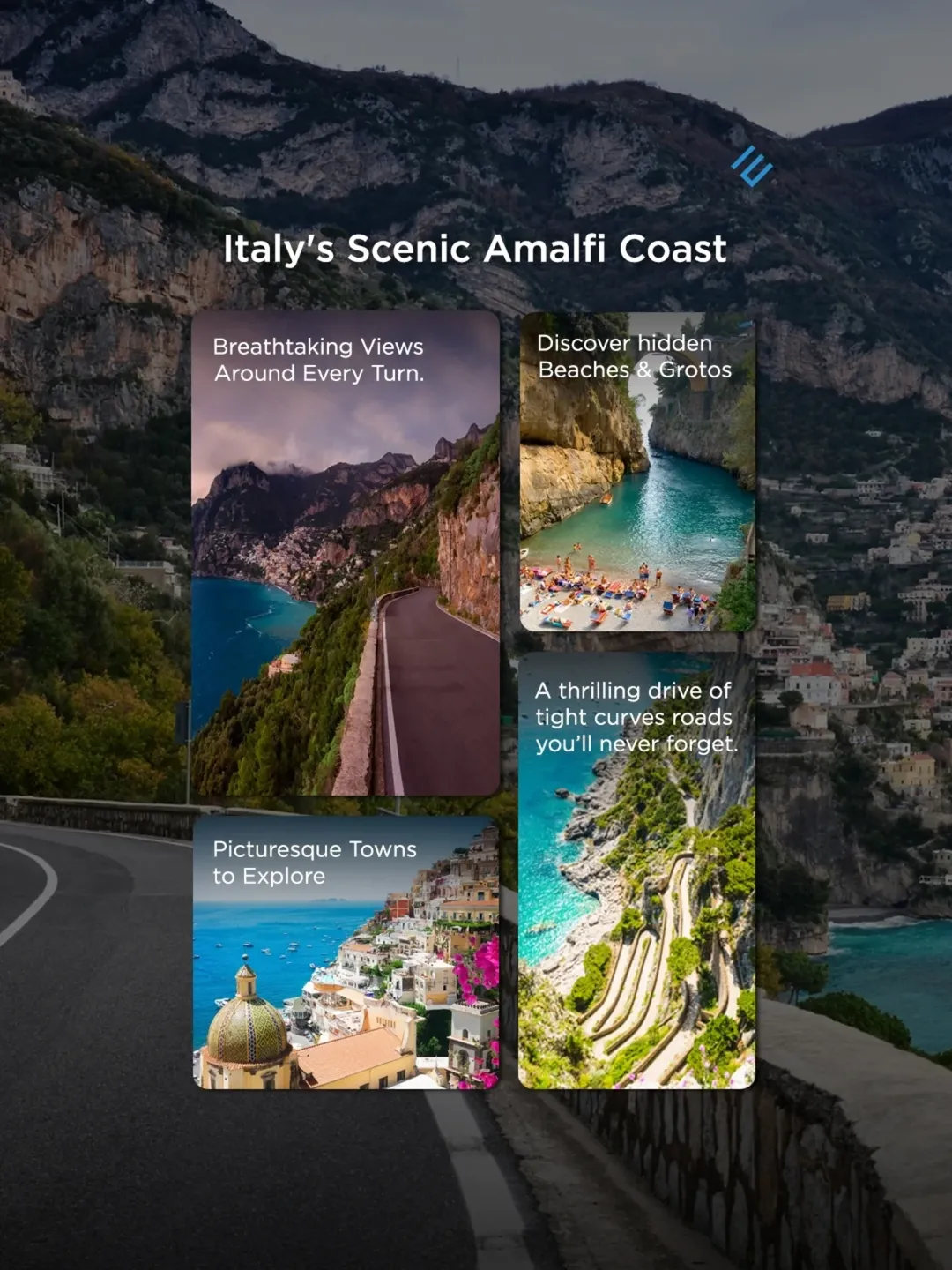
Imagine winding roads carved into towering cliffs, the Tyrrhenian Sea sparkling far below, and colorful villages stacked like paintings on the hillsides. Add the scent of lemon trees drifting through the air and the sound of waves echoing against rock walls, and you begin to understand why the Amalfi Coast is considered one of the most beautiful drives in the world.

Every turn reveals a postcard view.
Every stop becomes a memory worth keeping.

Amalfi Coast
Amalfi Coast

A Coastline Shaped by Nature and Time

The Amalfi Coast stretches along the southern edge of the Sorrentine Peninsula, where steep mountains plunge directly into the sea. Unlike wide highways designed for speed, the coastal road here was built to follow the land, not dominate it. Curves wrap tightly around cliffs, tunnels cut through solid rock, and viewpoints appear suddenly, demanding your attention.

This dramatic geography is what gives the Amalfi Coast its unmistakable character. The road feels alive—sometimes narrow, sometimes daring—but always rewarding. Driving here is not about rushing from point A to point B. It is about slowing down and letting the landscape guide you.

The Romance of the Open Road

There is something deeply romantic about driving the Amalfi Coast. Perhaps it’s the way sunlight dances across the water, or how the road seems to float between sea and sky. Perhaps it’s the freedom to stop whenever a view captures your heart.

Unlike train journeys or guided tours, a road trip allows you to experience the coast on your own terms. You decide when to pause, where to linger, and how long to stay. A scenic overlook becomes a photo stop. A small café becomes an afternoon escape. A quiet beach becomes an unexpected highlight.

This sense of spontaneity is what transforms a drive into an experience.

Villages That Feel Like Living Paintings

Scattered along the cliffs are villages that feel almost unreal in their beauty. Positano, with its pastel houses cascading toward the sea, is often the first image people associate with the Amalfi Coast. Seeing it from the road—suddenly revealed after a bend—is breathtaking.

Further along, Amalfi offers historic charm, lively piazzas, and a deep connection to the region’s maritime past. High above the coastline, Ravello provides sweeping views and a calmer pace, where gardens and terraces overlook the endless blue horizon.

Each village has its own rhythm, personality, and story. Driving allows you to experience them not as isolated stops, but as part of a flowing narrative along the coast.

The Scent and Flavor of the Amalfi Coast

One of the most unforgettable aspects of this journey is not just what you see—but what you smell and taste. Lemon trees line terraces and roadsides, producing the famous Amalfi lemons used in refreshing limoncello and local desserts. The scent is fresh, citrusy, and unmistakably Mediterranean.

Stopping at a small trattoria along the way often means enjoying simple yet extraordinary food: fresh seafood, handmade pasta, local olive oil, and wine produced on steep hillside vineyards. Meals feel unhurried, meant to be savored alongside the view.

Here, food is not just nourishment—it’s part of the journey.

Every Turn Tells a Story

The road itself, often referred to as the Strada Statale 163, is legendary. Built into the cliffs, it connects village after village in a continuous ribbon of scenery. Some sections feel thrilling, others serene, but none are ordinary.

At times, you’ll pass local buses navigating tight corners with practiced precision. At others, you’ll slow down behind scooters or pause to let another car pass. Rather than frustration, these moments add authenticity. They remind you that this road is part of daily life, not just a tourist attraction.

Driving the Amalfi Coast teaches patience—and rewards it generously.

When to Drive the Amalfi Coast

Timing plays a crucial role in shaping the experience. Spring and early summer bring blooming landscapes and comfortable temperatures, while autumn offers softer light and fewer crowds. Evenings can be magical, as golden hour transforms the coast into a glowing masterpiece.

Driving earlier in the day allows you to enjoy quieter roads and clearer views, while late afternoons invite leisurely stops and sunset moments. No matter the season, the Amalfi Coast demands presence. This is not a drive to rush—it’s one to feel.

More Than a Scenic Route

What makes the Amalfi Coast truly special is that it is more than a scenic route—it is a journey of emotion. It combines freedom, beauty, and discovery in a way few destinations can. The road doesn’t just take you through landscapes; it takes you through moods.

Excitement builds as cliffs grow steeper. Calm settles in when the sea opens wide before you. Joy appears in small, unexpected moments—a quiet village square, a roadside café, a hidden beach glimpsed from above.

This is why so many travelers describe driving the Amalfi Coast as transformative.

Why This Road Trip Belongs on Your Italy List

Italy offers countless unforgettable experiences, but few compare to the Amalfi Coast by car. It represents a different side of travel—one rooted in exploration rather than schedules, and connection rather than checklists.

Driving the Amalfi Coast offers:

  • Iconic coastal views at every turn

  • Freedom to explore at your own pace

  • Access to villages, viewpoints, and hidden gems

  • A deep sensory experience through sights, sounds, and flavors

  • Memories that feel personal and cinematic

It is Italy at its most emotional and immersive.

A Journey That Stays With You

Long after the trip ends, memories of the Amalfi Coast linger. You remember the sound of the sea far below the road, the glow of villages at sunset, and the feeling of driving between sky and water. These moments become part of your travel story—ones you’ll revisit again and again.

If you ever needed a sign to plan your Italy road trip, this is it.

Because driving the Amalfi Coast isn’t just about reaching a destination.
It’s about embracing the journey—and letting Italy reveal itself, one breathtaking curve at a time.

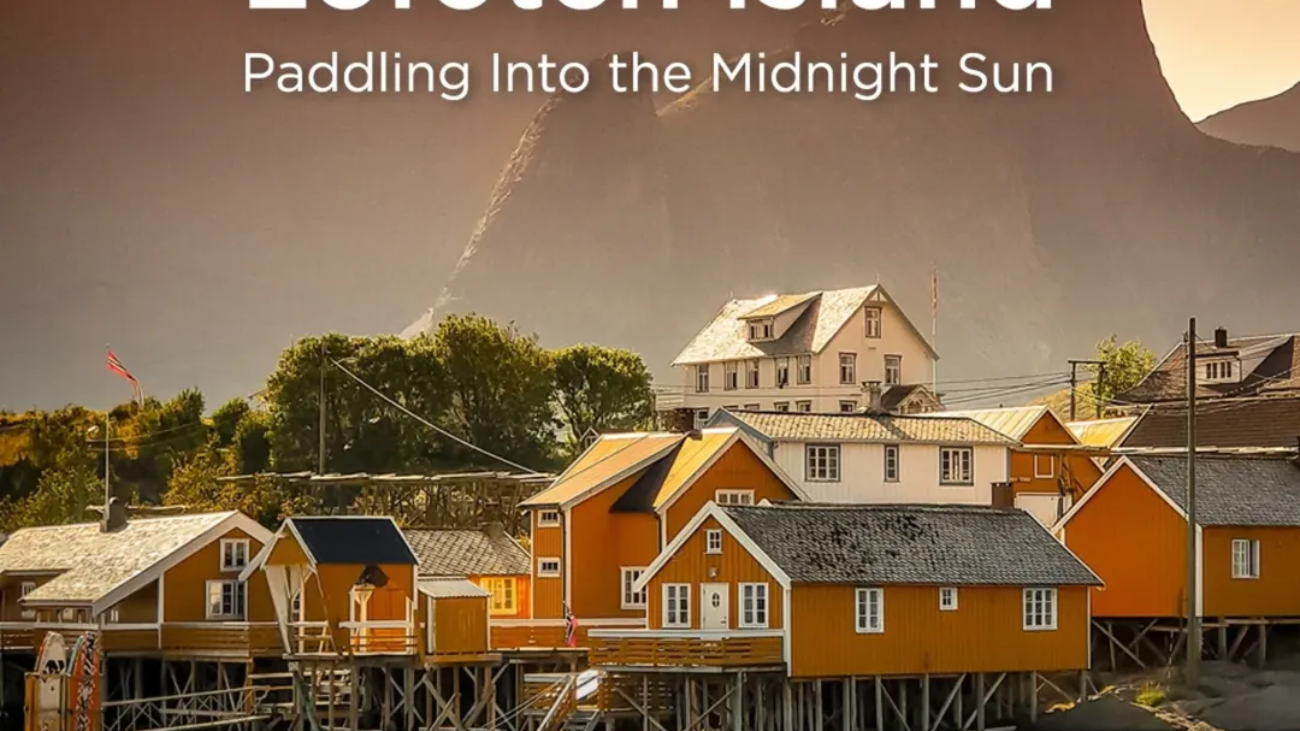
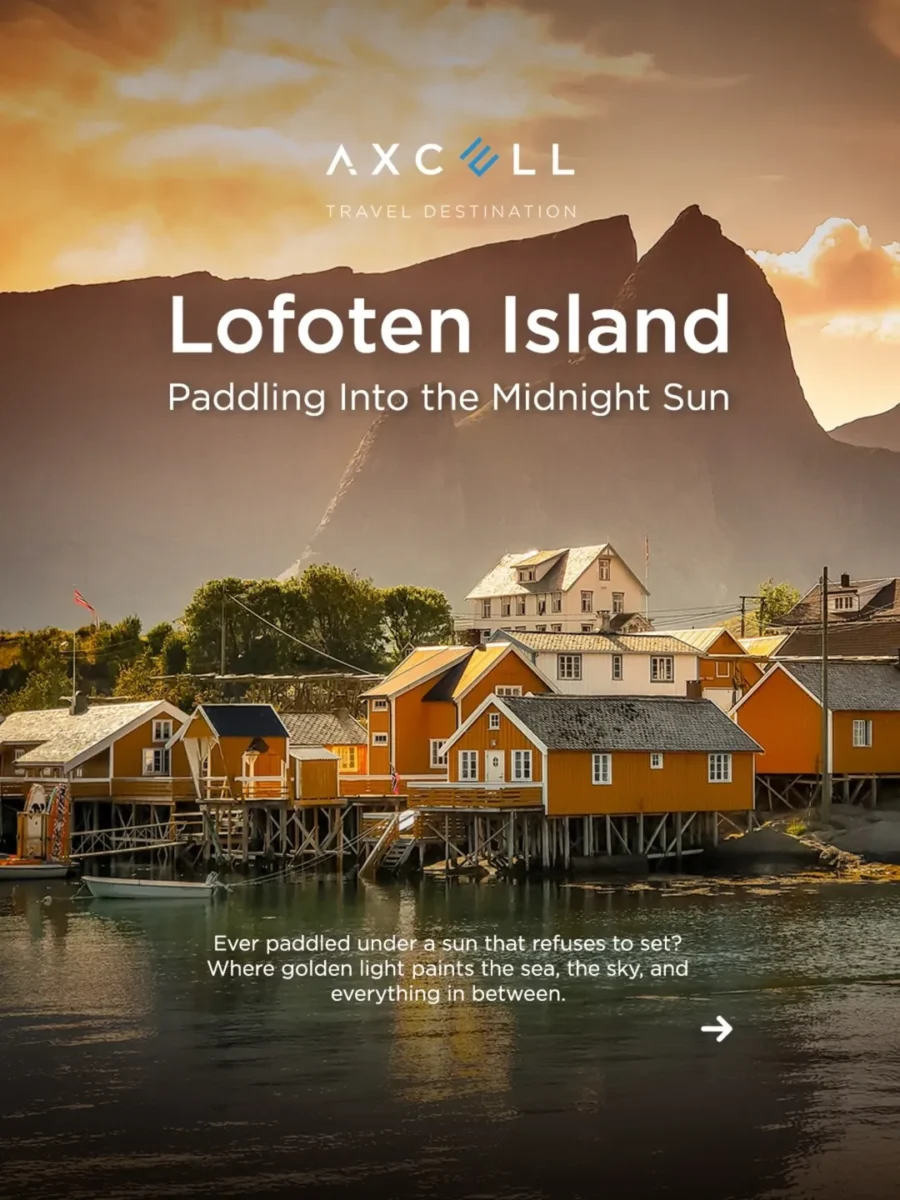
Lofoten Island

Lofoten Island – Padding Into the Midnight Sun

Ever Kayaked at Midnight… with the Sun Still Shining?

A golden Arctic dream in Norway’s Lofoten Islands

Imagine gliding silently across calm water at midnight—no darkness, no stars, no sense of time slipping away. The sky glows in soft shades of gold and amber, mountains rise like silhouettes from the sea, and every ripple reflects sunlight that refuses to fade. This is not a fantasy. This is the Midnight Sun in the Lofoten Islands, one of the most magical places on Earth to experience it.

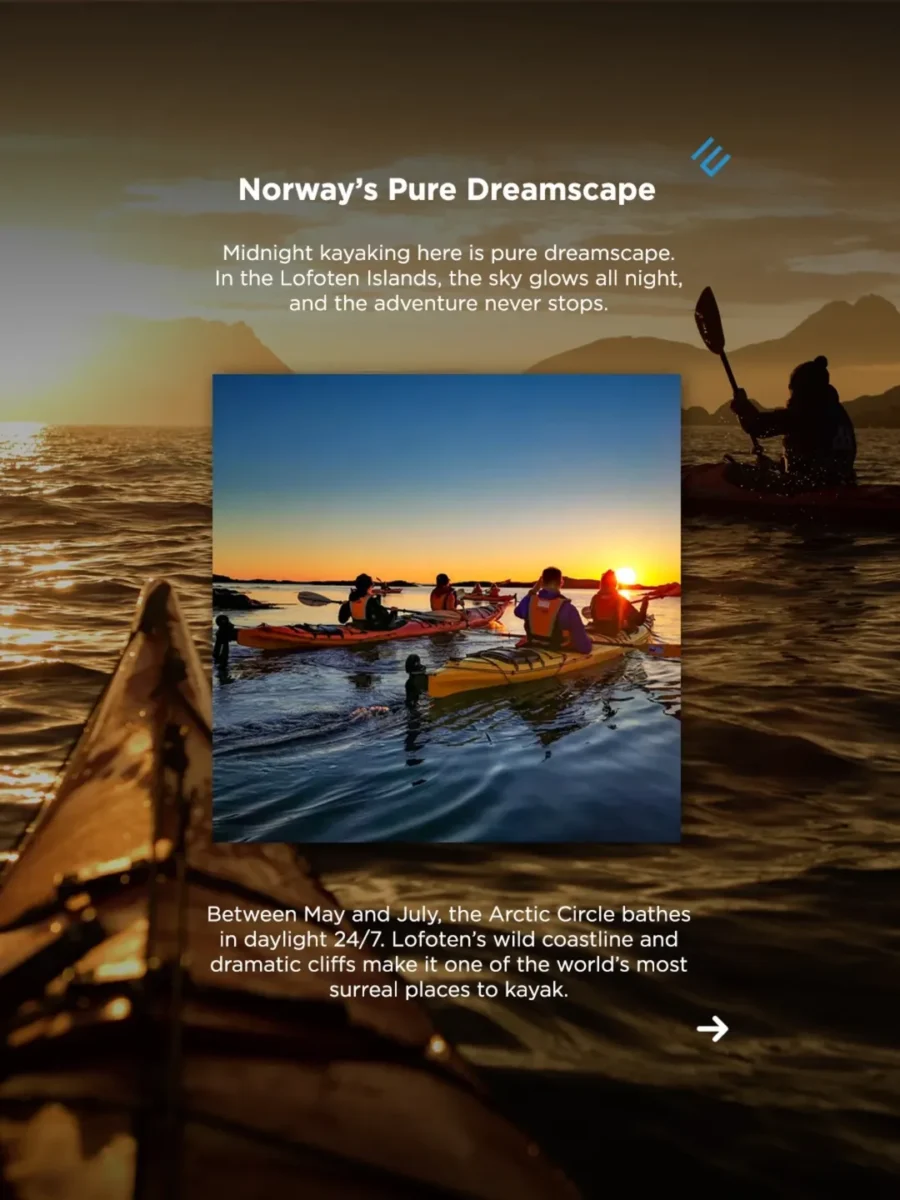
Located above the Arctic Circle in Norway, the Lofoten Islands transform the very idea of night. From May to July, the sun never fully sets, turning late hours into a dreamlike extension of day. And there may be no better way to experience this phenomenon than from the water—kayaking beneath a sun that lingers long past midnight.

Lofoten Island
Lofoten Island

The Midnight Sun - When Time Loses Meaning

The Midnight Sun occurs in regions north of the Arctic Circle, where the Earth’s tilt allows the sun to remain visible for 24 hours a day during summer months. In the Lofoten Islands, this creates a unique rhythm of life—one where night never truly arrives.

Instead of darkness, the sky shifts gently through layers of color. At midnight, the sun hangs low on the horizon, bathing fjords and beaches in warm, golden light. Shadows stretch long, reflections sharpen, and the world feels suspended between day and dream.

For visitors, this phenomenon is both exhilarating and disorienting. Without sunset to mark the end of the day, time becomes fluid. You no longer ask what hour it is—you simply follow the light.

Why the Lofoten Islands Feel So Magical

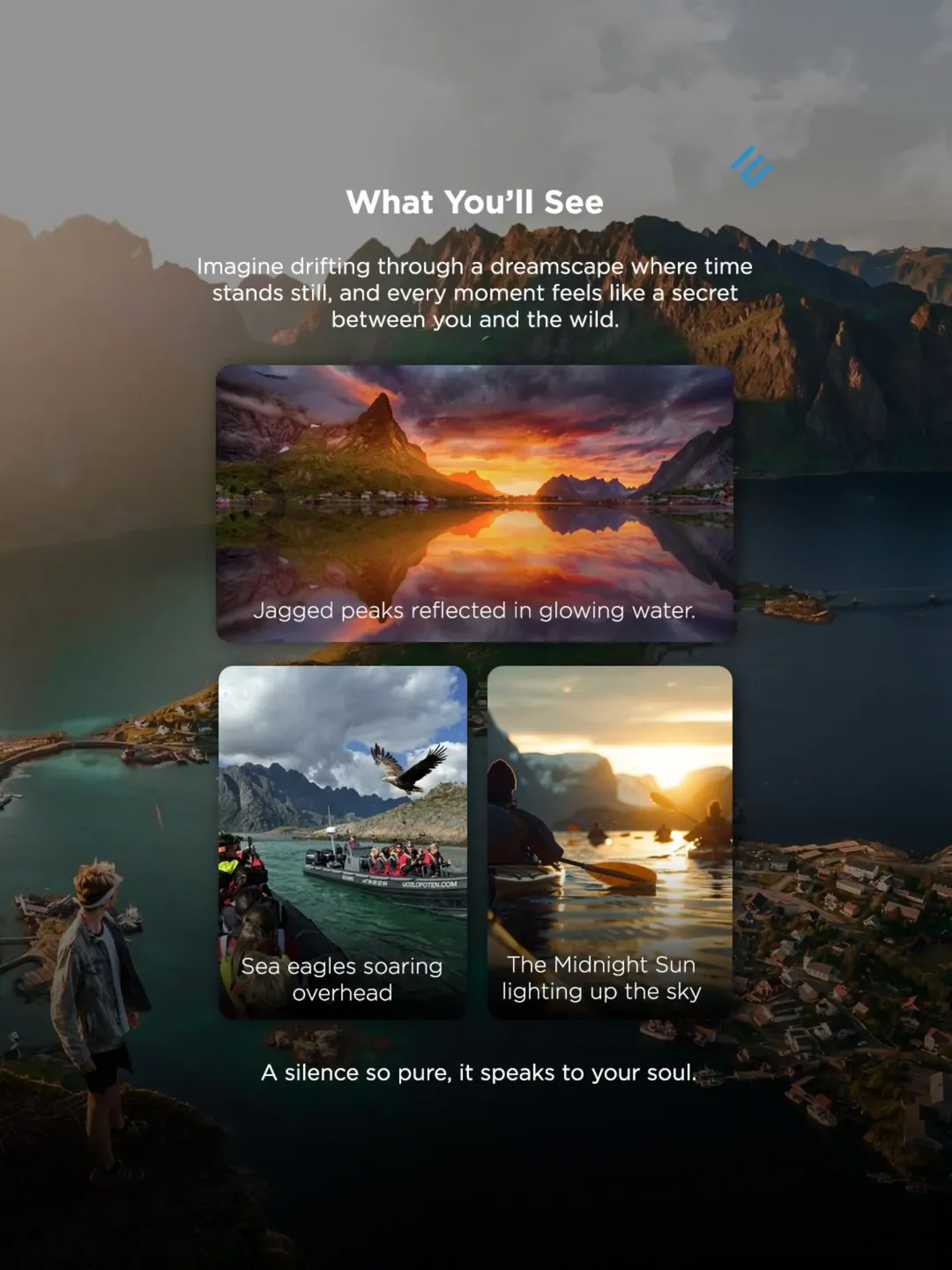
The Lofoten Islands are dramatic even without the Midnight Sun. Jagged peaks rise abruptly from the sea, fishing villages cling to rocky shores, and turquoise waters rival those of tropical destinations—despite the Arctic latitude. In summer, green slopes replace snow, wildflowers dot the landscape, and the air feels crisp yet gentle.

What makes Lofoten truly special is contrast: rugged mountains paired with calm waters, remote wilderness alongside small, welcoming communities, and raw nature softened by glowing summer light. When the Midnight Sun is added to this scenery, the effect becomes almost surreal.

At midnight, the islands feel quieter, more intimate. Boats rest in harbors, seabirds glide across still water, and the golden light wraps everything in calm.

Kayaking at Midnight - A Once-in-a-Lifetime Experience

Kayaking beneath the Midnight Sun is not about adrenaline—it’s about atmosphere. As you paddle across fjords or along the coastline, the world feels hushed and expansive. The water is often mirror-like, reflecting the sun, the mountains, and the sky so clearly that it feels as though you are floating through light itself.

There is something deeply peaceful about moving slowly across the sea at an hour usually reserved for sleep. No crowds. No noise. Just the gentle rhythm of paddles dipping into water and the soft glow of endless daylight.

Many travelers describe midnight kayaking in Lofoten as meditative. The experience invites stillness, reflection, and a sense of connection to nature that is difficult to find elsewhere.

A Different Kind of Arctic Adventure

When people think of Arctic travel, they often imagine snow, ice, and extreme cold. The Lofoten Islands in summer challenge that perception entirely. Temperatures are cool but comfortable, daylight is abundant, and outdoor activities feel accessible rather than intimidating.

Midnight kayaking is part of a broader summer lifestyle in Lofoten. Hiking at unusual hours, sitting on beaches late into the night, or photographing landscapes under golden skies becomes normal. Locals and visitors alike adapt to the sun’s presence, embracing a slower, more intuitive rhythm.

In this environment, adventure doesn’t mean rushing—it means savoring.

Light That Transforms Everything

Photographers and artists are drawn to the Lofoten Islands for a reason. The Midnight Sun creates light unlike anywhere else in the world. It is soft yet vibrant, warm yet crisp. Colors feel richer, textures more defined, and scenes more cinematic.

From the water, this light becomes even more powerful. Mountains appear layered and dimensional. Reflections double the landscape. Even simple moments—like drifting in place, paddle resting on the kayak—feel elevated by the glow surrounding you.

This is not dramatic light.
It is emotional light.

Who Is This Experience For?

Midnight kayaking in Lofoten is not reserved for extreme adventurers. It appeals to travelers who value unique experiences, quiet beauty, and meaningful moments.

It is ideal for:

  • Nature lovers seeking something extraordinary

  • Travelers building an Arctic bucket list

  • Couples looking for a romantic, unforgettable experience

  • Solo travelers drawn to reflection and calm

  • Photographers chasing rare light

You don’t need to paddle fast or far. Simply being there is enough.

Beyond Kayaking - A Summer That Never Sleeps

While midnight kayaking may be the highlight, the Midnight Sun shapes every aspect of summer life in Lofoten. Hiking trails remain visible late into the night. Fishing villages glow under low-hanging sun. Beaches feel otherworldly at 1:00 a.m., when the light suggests afternoon but the silence suggests dawn.

Sleep becomes optional. Wonder becomes constant.

This is what makes Lofoten so unforgettable—not just what you do, but how the world feels while you do it.

Why This Belongs on Your Arctic Bucket List

Some travel experiences are impressive. Others are transformative. Kayaking under the Midnight Sun in the Lofoten Islands belongs firmly in the second category.

What makes it truly special:

  • The sun never sets, even at midnight

  • Calm Arctic waters reflect endless golden light

  • Dramatic mountain and fjord scenery

  • A peaceful, uncrowded atmosphere

  • A rare sense of timelessness

It is calm, surreal, and completely unforgettable.

A Memory That Stays with You

Long after you leave Norway, this experience lingers. You remember the stillness of the water, the warmth of light at an impossible hour, and the quiet realization that the world is far larger—and more magical—than everyday life suggests.

Midnight kayaking in the Lofoten Islands is not just something you do.
It’s something you feel.

🌞🚣‍♀️ Ever kayaked at midnight with the sun still shining?
If not, save this for your Arctic bucket list—because some journeys don’t follow the clock… they follow the light.

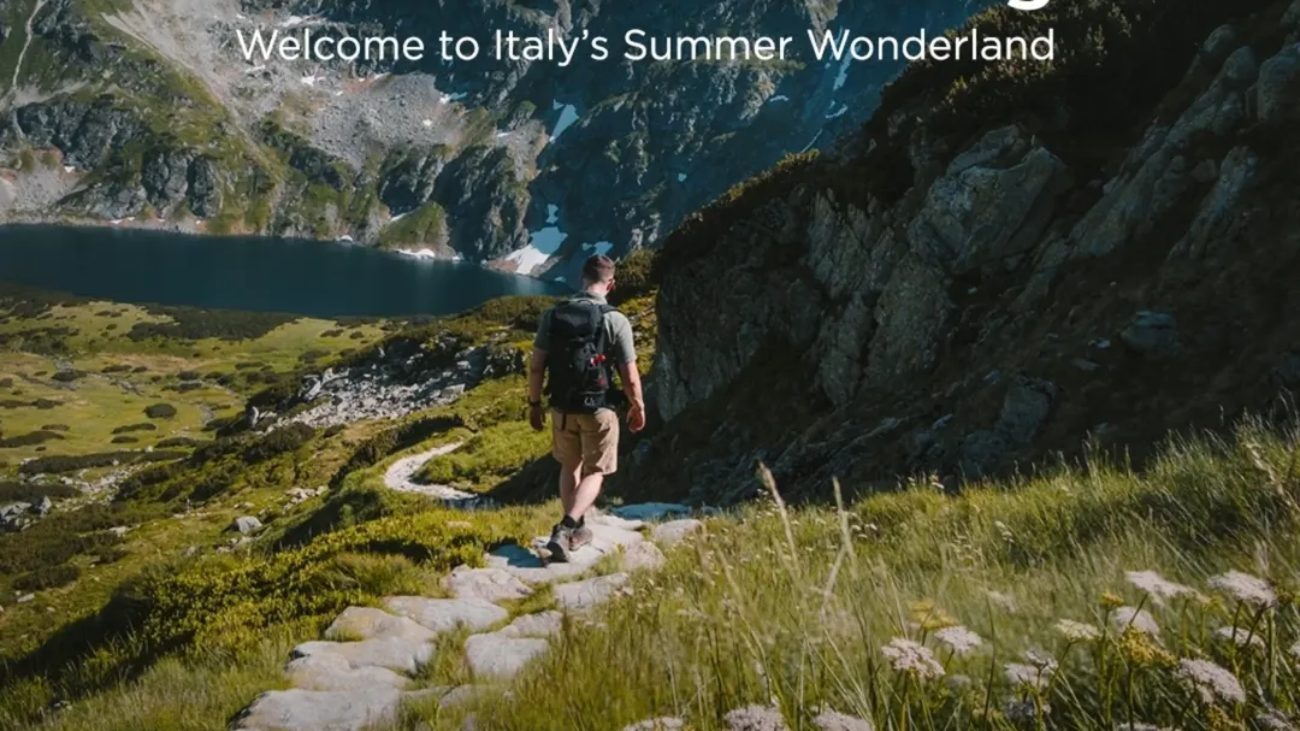
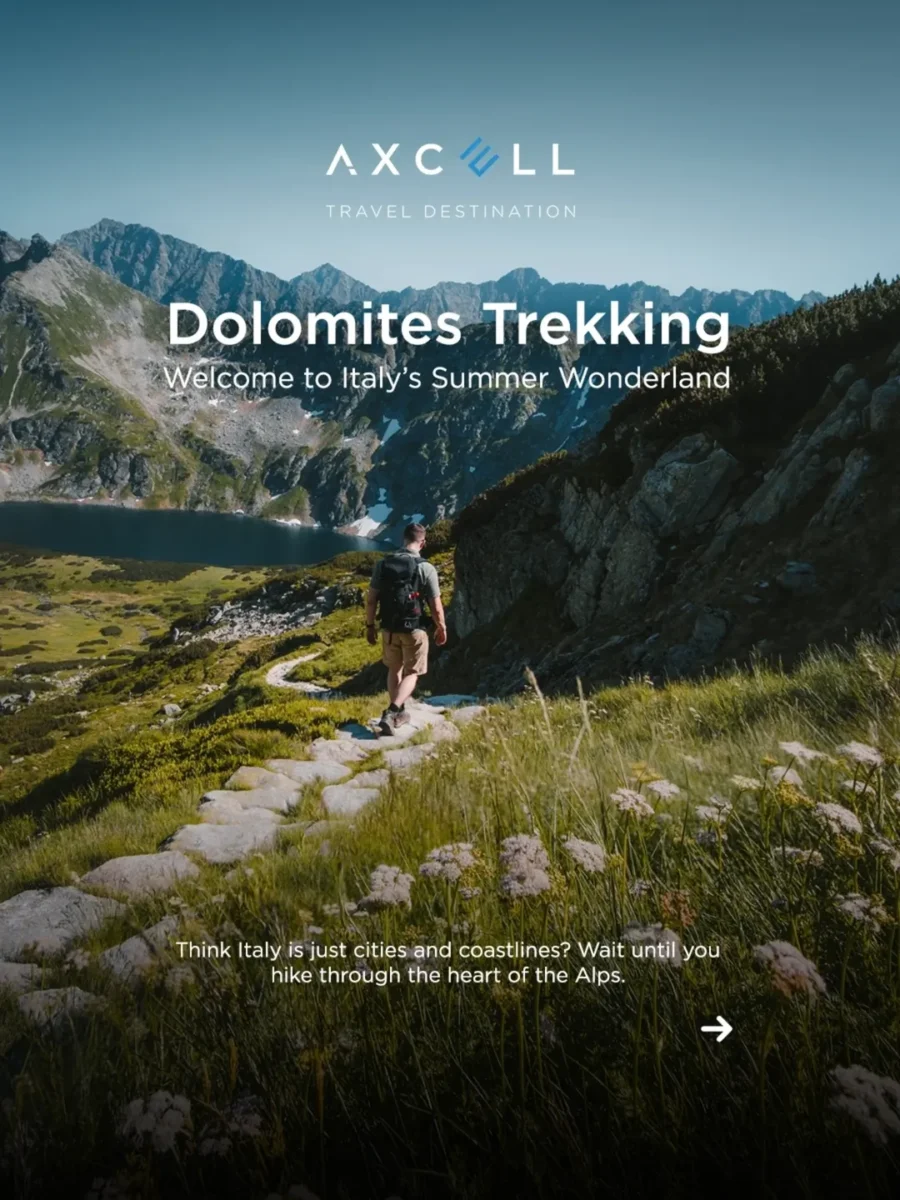
Dolomites Trekking

Dolomites Trekking – Welcome to Italy’s Summer Wonderland

Dolomites Trekking – Italy’s Summer Wonderland

Where fresh air, dramatic peaks, and slow mountain living redefine your Italian escape

When people think of Italy, images of Rome’s ancient ruins, Venice’s canals, or Tuscany’s rolling vineyards often come to mind. But beyond the famous cities and coastlines lies a completely different side of Italy—one that feels quieter, wilder, and deeply refreshing. Welcome to the Dolomites, a summer wonderland where jagged peaks pierce blue skies, alpine trails bloom with wildflowers, and cozy mountain huts serve pasta and wine at the end of a perfect hiking day.

If you’re looking to skip the usual Italy and experience something more immersive, the Dolomites deserve a place at the very top of your summer travel list.

Dolomites Trekking
Dolomites Trekking
Dolomites Trekking

A Landscape Unlike Anywhere Else in Italy

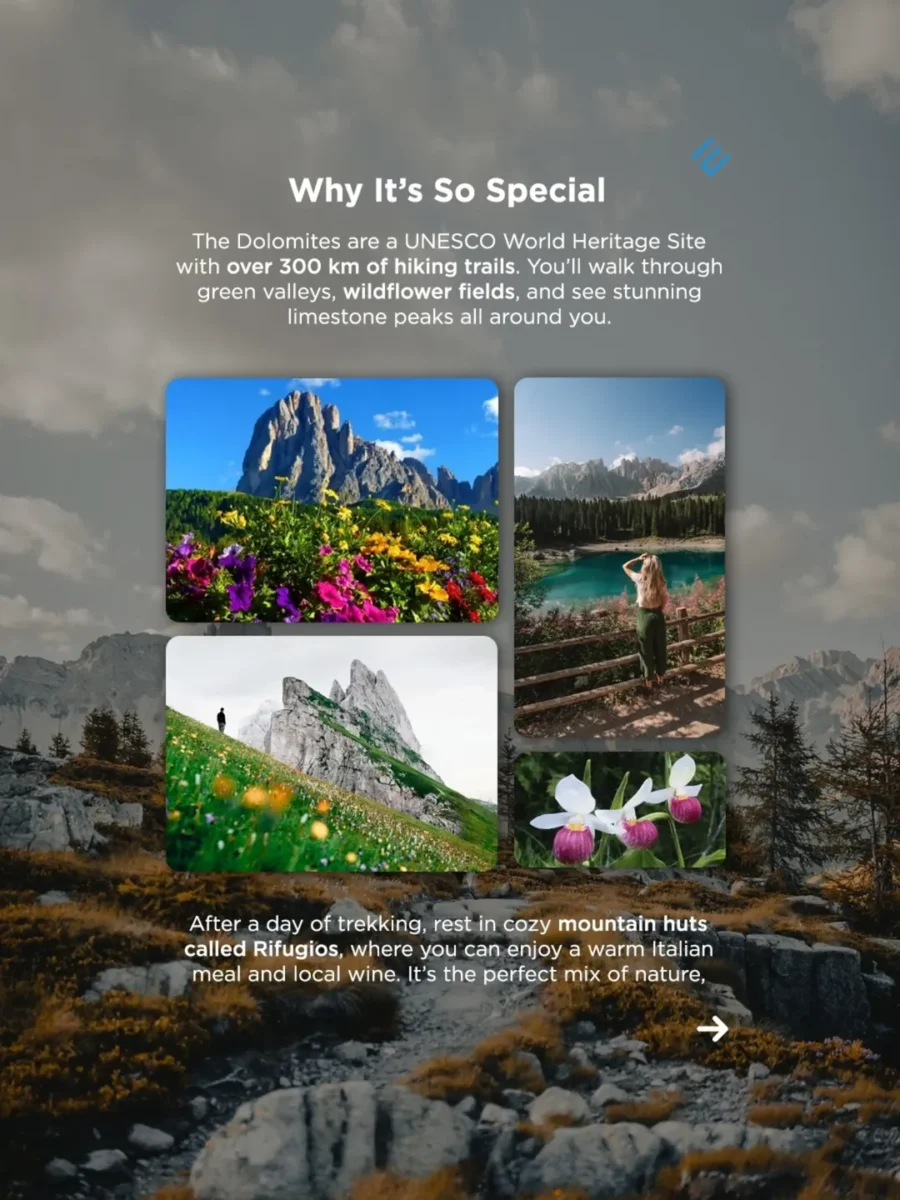
The Dolomites are instantly recognizable. Their dramatic limestone peaks rise sharply from green valleys, glowing pink and gold at sunrise and sunset—a phenomenon known as enrosadira. This unique geology sets the Dolomites apart from other mountain ranges in Europe, creating landscapes that feel almost surreal.

In summer, snow retreats from the trails, revealing rolling meadows, turquoise alpine lakes, and panoramic ridgelines. The air feels crisp and clean, the pace of life slows, and nature becomes the main attraction. It’s a place where every step feels scenic and every pause rewards you with a view worth remembering.

Why Summer Is the Best Time to Visit

While the Dolomites are famous for winter skiing, summer reveals their most accessible and diverse side. From June to September, the mountains transform into a trekking paradise suitable for both beginners and experienced hikers.

Trails are well-marked, cable cars make high-altitude access easy, and the weather is generally mild—cool mornings, warm afternoons, and refreshing evenings. Summer is also when wildflowers blanket the slopes, adding bursts of color to an already stunning landscape.

Unlike Italy’s cities, which can feel crowded and hot during peak season, the Dolomites offer space, serenity, and breathing room.

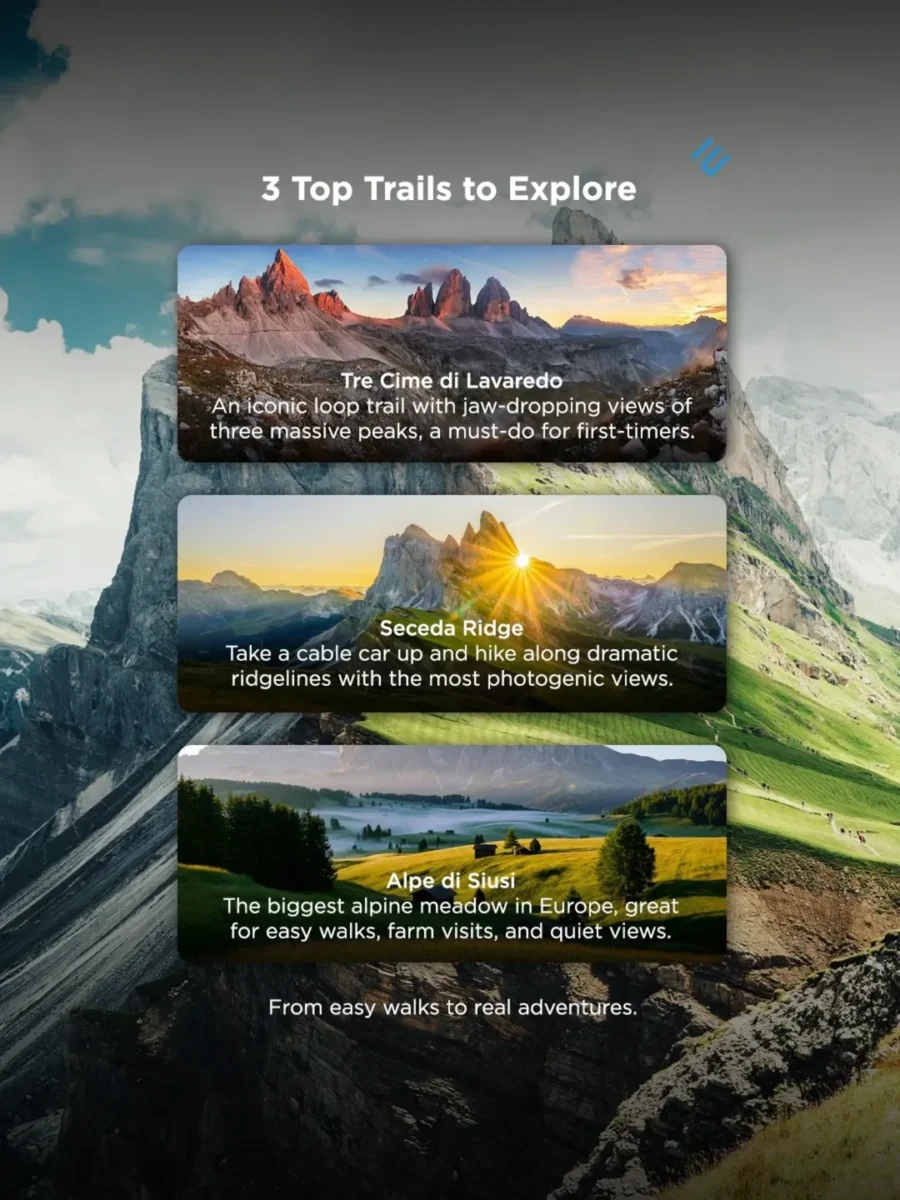
Tre Cime di Lavaredo - The Iconic Hike

No discussion of Dolomites trekking is complete without mentioning Tre Cime di Lavaredo. These three towering peaks are among the most famous mountain formations in Europe—and for good reason.

The Tre Cime loop trail is one of the most rewarding hikes in the region. Accessible yet dramatic, it offers sweeping views, manageable terrain, and constant visual impact. Walking beneath the sheer rock faces of Tre Cime feels humbling and exhilarating at the same time.

Despite its popularity, the area still retains a sense of grandeur and openness, especially in the early morning or late afternoon when crowds thin and the mountains reclaim their quiet presence.

Beyond the Famous Trails - Hidden Alpine Gems

While Tre Cime draws global attention, the true magic of the Dolomites often lies off the beaten path. Countless lesser-known trails wind through peaceful valleys, remote plateaus, and secluded mountain passes where you may walk for hours accompanied only by cowbells and the sound of wind through grass.

These hidden alpine gems offer a deeper connection to the landscape. Trails lead past crystal-clear streams, through forests scented with pine, and up to viewpoints that feel completely untouched. This is where the Dolomites reveal their soul—quiet, expansive, and profoundly grounding.

Rifugios - Where Trekking Meets Italian Comfort

One of the most charming aspects of trekking in the Dolomites is the mountain huts, known as rifugios. Unlike basic shelters found in many hiking regions, Dolomites rifugios combine alpine simplicity with unmistakable Italian warmth.

After a day on the trail, you can sit on a sunny terrace with a plate of fresh pasta, local cheese, or hearty soup—often paired with a glass of wine or espresso. Some rifugios even offer overnight stays, allowing you to wake up above the clouds as morning light touches the peaks.

This blend of nature and comfort is what makes trekking in the Dolomites so special. Adventure doesn’t mean sacrificing pleasure—it enhances it.

A Trek for Every Traveler

The Dolomites are incredibly versatile. Whether you’re seeking gentle walks, panoramic day hikes, or multi-day trekking routes, there’s something here for every fitness level and travel style.

Beginners can enjoy scenic valley walks and cable-car-assisted hikes, while more experienced trekkers can tackle high-altitude routes and longer crossings. Families, couples, and solo travelers all find their rhythm here, united by the shared joy of being surrounded by extraordinary nature.

More Than Hiking - A Lifestyle Experience

Trekking in the Dolomites isn’t just about reaching summits—it’s about embracing a slower, more intentional way of traveling. Days are shaped by daylight, weather, and appetite. Evenings are quiet, filled with conversation, good food, and mountain views that linger in memory.

The region also reflects a fascinating blend of Italian and Alpine culture, especially in areas influenced by Austrian heritage. You’ll hear multiple languages, taste unique regional dishes, and experience traditions shaped by centuries of mountain living.

Why the Dolomites Should Top Your Summer Travel List

The Dolomites offer something increasingly rare in modern travel: space to breathe. They provide contrast to busy cities, depth beyond sightseeing, and beauty that feels earned through movement and presence.

Highlights of a Dolomites summer journey include:

  • Dramatic alpine landscapes and iconic peaks

  • Well-maintained trails for all experience levels

  • Cozy rifugios with authentic Italian food

  • Cooler temperatures and fresh mountain air

  • A slower, more meaningful travel rhythm

This is Italy reimagined—wild, peaceful, and profoundly scenic.

Trek Stress-Free, Experience More

Planning a Dolomites trekking trip involves choices—routes, accommodations, timing, transport, and daily pacing. Done right, it becomes seamless and deeply rewarding. Done poorly, it can feel overwhelming.

That’s why thoughtful planning matters.

From famous hikes like Tre Cime di Lavaredo to hidden alpine trails known only to locals, a well-designed itinerary ensures you experience the best of the Dolomites without stress—just fresh air, epic views, and unforgettable moments.

Ready for Your Dolomites Adventure?

If the idea of trading city crowds for mountain trails and cozy huts speaks to you, it might be time to rethink your Italian summer. The Dolomites are waiting—quiet, dramatic, and endlessly beautiful.

📩 DM us to plan your Dolomites adventure.
No stress. No rush. Just Italy’s summer wonderland, crafted around you.