
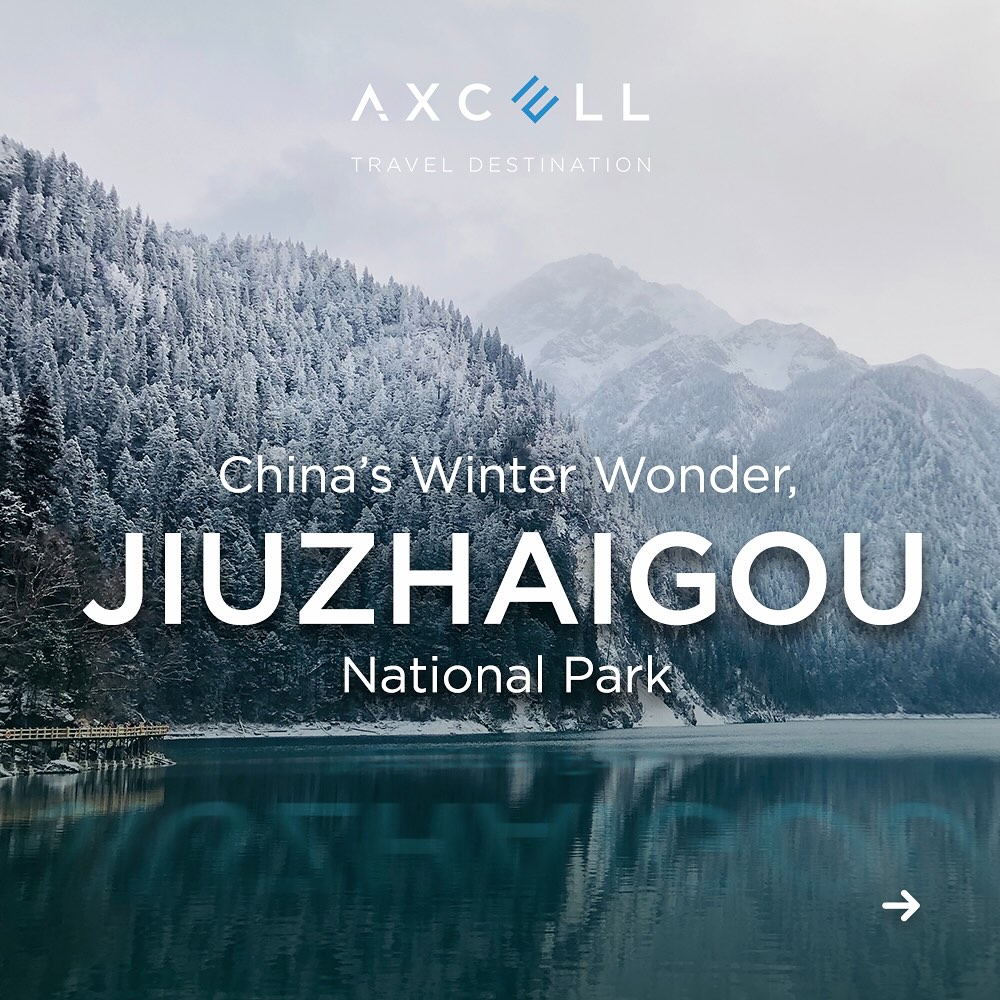
China’s Winter Wonder – Jiuzhaigou

Discover Jiuzhaigou National Park - China’s Winter Wonderland Straight Out of a Fairy Tale

Hidden high in the mountains of southwestern China, Jiuzhaigou National Park transforms into one of the most enchanting winter destinations in the world. Located in Sichuan Province, this UNESCO World Heritage Site is celebrated for its surreal landscapes—turquoise lakes, multi-tiered waterfalls, snow-dusted forests, and alpine peaks that feel almost unreal.

While Jiuzhaigou is beautiful year-round, winter reveals a quieter, more magical side of the park. As temperatures drop and snow begins to fall, the entire valley turns into a frozen dreamscape—one that feels untouched, peaceful, and deeply atmospheric.

This is not just a destination.
It’s a winter story waiting to be explored.
China's Winter Wonder - Jiuzhaigou

A Landscape Painted by Nature

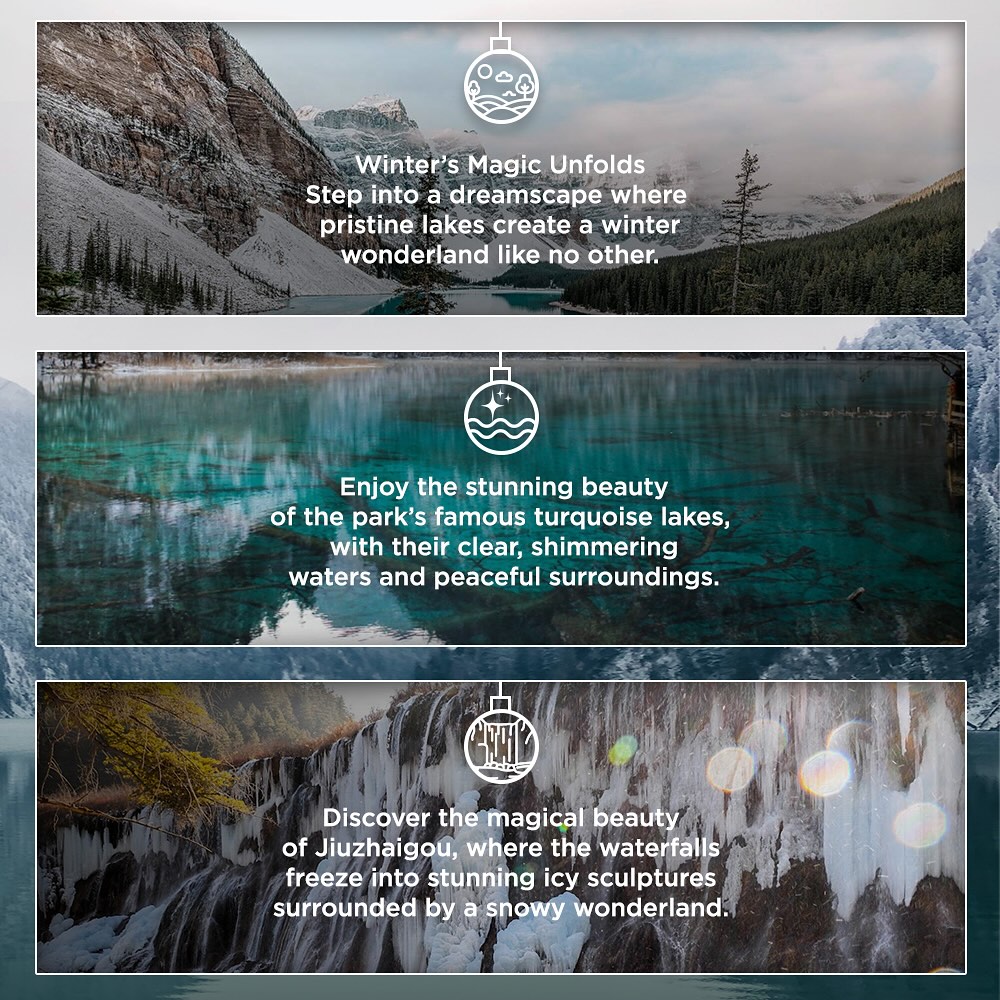
Jiuzhaigou National Park is famous for its vibrant colors, even in the coldest months. Unlike many winter destinations dominated by white and gray, Jiuzhaigou’s lakes retain their signature shades of turquoise, emerald, and deep blue. Snow-covered trees frame crystal-clear waters, creating striking contrasts that feel almost painterly.

These lakes are fed by mineral-rich water flowing through limestone formations, giving them an otherworldly clarity. In winter, thin layers of ice form intricate patterns on the surface, adding texture and depth rather than hiding the color beneath.

Walking through the park feels like stepping into a living artwork—each viewpoint revealing a new composition shaped by ice, water, and light.

Frozen Waterfalls - Nature in Motion, Paused

One of Jiuzhaigou’s most mesmerizing winter features is its frozen waterfalls. Cascades that thunder with energy in warmer seasons slow and crystallize into towering ice sculptures. Some sections freeze completely, forming delicate icicles and shimmering walls of ice. Others continue to flow beneath frozen layers, creating a quiet, rhythmic sound that echoes through the valley.

This combination of motion and stillness gives Jiuzhaigou a unique winter character. The waterfalls don’t disappear—they transform, offering a rare glimpse of nature in transition.

Standing before these frozen cascades feels both humbling and serene.

Snow-Covered Forests and Alpine Silence

Jiuzhaigou’s forests take on a magical quality in winter. Pine and fir trees are dusted with snow, while bare branches glisten under soft light. Trails feel hushed, footsteps muffled by fresh snowfall. The air is crisp and incredibly clean, carrying a sense of calm that’s difficult to find elsewhere.

Winter also brings fewer visitors, allowing travelers to experience Jiuzhaigou in near silence. Without crowds, the park feels intimate and contemplative—ideal for those seeking a slower, more reflective travel experience.

In this stillness, every sound becomes meaningful: wind through trees, distant water, the crunch of snow beneath your boots.

A UNESCO World Heritage Treasure

Jiuzhaigou’s designation as a UNESCO World Heritage Site recognizes not only its beauty, but its ecological importance. The park is home to diverse ecosystems, rare plant species, and protected wildlife adapted to high-altitude environments.

Winter highlights the park’s resilience. Despite snow and cold, life continues quietly beneath the surface. This balance between fragility and endurance is part of what makes Jiuzhaigou so compelling—it is a place where nature thrives through adaptation rather than force.

Visiting Jiuzhaigou in winter offers insight into how landscapes evolve with the seasons, reminding travelers that beauty is not static—it’s dynamic.

A Different Kind of Winter Escape

For many travelers, winter travel conjures images of ski resorts and bustling alpine towns. Jiuzhaigou offers something different. There are no noisy slopes or crowded lodges. Instead, there is space, silence, and scenery that feels deeply personal.

Winter days here are unhurried. Boardwalks guide visitors through valleys and along lakes, making exploration accessible even in colder conditions. With proper preparation—warm clothing and good footwear—walking through Jiuzhaigou becomes comfortable and deeply rewarding.

This is winter travel for those who seek atmosphere over activity.

Light, Ice, and Changing Moods

Winter light in Jiuzhaigou is soft and cinematic. Morning mist drifts across lakes, while afternoon sun reflects off ice and snow, creating subtle sparkles throughout the valley. As the day progresses, colors shift—from cool blues to warmer tones—transforming familiar views into entirely new scenes.

Photographers are drawn to Jiuzhaigou in winter for this reason alone. But even without a camera, the changing light invites pause and appreciation. You don’t rush through Jiuzhaigou—you observe it.

Cultural Roots in a Natural Sanctuary

Jiuzhaigou’s name comes from “Nine Village Valley,” referencing the Tibetan villages historically scattered throughout the area. While modern conservation efforts limit access to protect the environment, the region’s cultural heritage remains part of its identity.

Local influences are visible in architecture, prayer flags near viewpoints, and the respectful relationship between communities and the land. This blend of natural wonder and cultural depth adds meaning to the journey, grounding Jiuzhaigou’s beauty in human history and tradition.

Why Visit Jiuzhaigou in Winter?

Jiuzhaigou’s winter appeal lies in its contrasts—color against snow, motion within stillness, grandeur paired with silence.

Highlights of a winter visit include:

  • Turquoise lakes framed by snow-covered forests

  • Frozen waterfalls transformed into natural sculptures

  • Fewer crowds and a peaceful atmosphere

  • Clean mountain air and pristine landscapes

  • A fairy-tale setting that feels almost unreal

It’s a destination for travelers who appreciate quiet beauty and immersive scenery.

A Place That Feels Like a Dream

Jiuzhaigou National Park in winter doesn’t overwhelm—it enchants. It invites travelers to slow down, to look closely, and to feel the subtle power of nature shaped by cold and time. Every lake, every frozen cascade, every snow-laden tree contributes to a story that feels both timeless and fleeting.

This is the kind of place that stays with you—not because of adrenaline or spectacle, but because of mood and memory.

Which Part Would You Explore First?

Would it be the shimmering turquoise lakes edged with ice?
The frozen waterfalls sculpted by winter?
Or the silent forest paths wrapped in snow?

🌨️🏔️ Which part of Jiuzhaigou’s magical winter landscape would you explore first?
Let us know below—and start imagining a journey into one of China’s most breathtaking winter escapes, where nature turns cold into wonder.
Thoughtfully Designed Journeys, Just for You

Start planning your thoughtfully designed journey with Axcell Travel Destination.
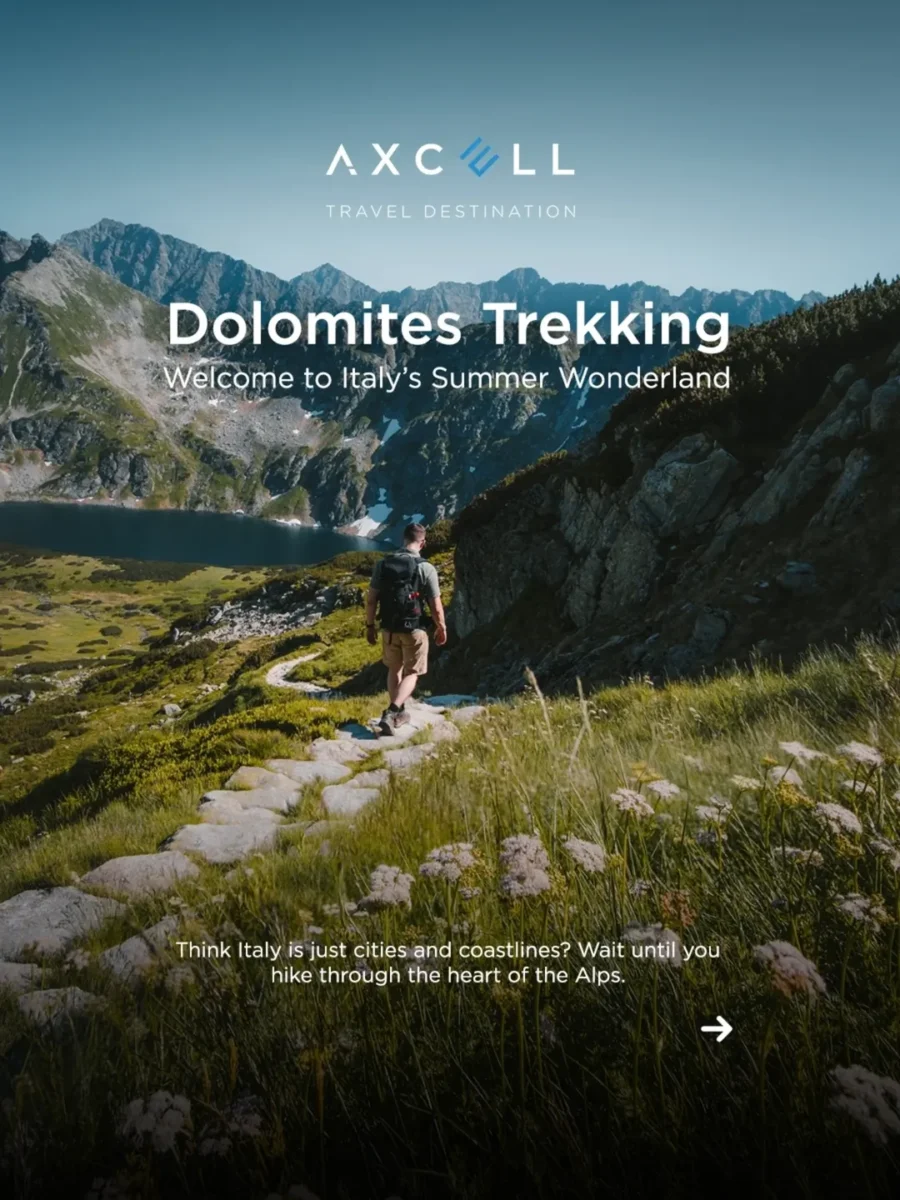
Dolomites Trekking

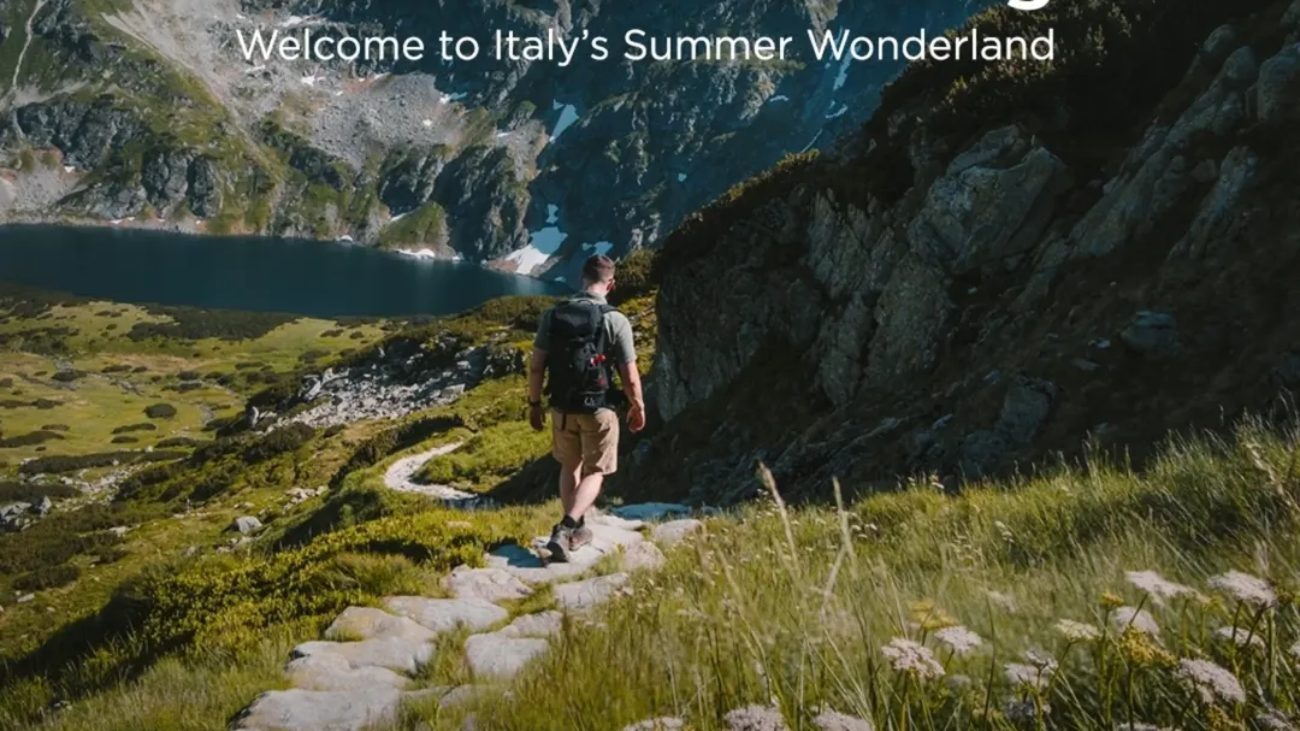
Dolomites Trekking – Welcome to Italy’s Summer Wonderland

Dolomites Trekking – Italy’s Summer Wonderland

Where fresh air, dramatic peaks, and slow mountain living redefine your Italian escape

When people think of Italy, images of Rome’s ancient ruins, Venice’s canals, or Tuscany’s rolling vineyards often come to mind. But beyond the famous cities and coastlines lies a completely different side of Italy—one that feels quieter, wilder, and deeply refreshing. Welcome to the Dolomites, a summer wonderland where jagged peaks pierce blue skies, alpine trails bloom with wildflowers, and cozy mountain huts serve pasta and wine at the end of a perfect hiking day.

If you’re looking to skip the usual Italy and experience something more immersive, the Dolomites deserve a place at the very top of your summer travel list.

Dolomites Trekking
Dolomites Trekking
Dolomites Trekking

A Landscape Unlike Anywhere Else in Italy

The Dolomites are instantly recognizable. Their dramatic limestone peaks rise sharply from green valleys, glowing pink and gold at sunrise and sunset—a phenomenon known as enrosadira. This unique geology sets the Dolomites apart from other mountain ranges in Europe, creating landscapes that feel almost surreal.

In summer, snow retreats from the trails, revealing rolling meadows, turquoise alpine lakes, and panoramic ridgelines. The air feels crisp and clean, the pace of life slows, and nature becomes the main attraction. It’s a place where every step feels scenic and every pause rewards you with a view worth remembering.

Why Summer Is the Best Time to Visit

While the Dolomites are famous for winter skiing, summer reveals their most accessible and diverse side. From June to September, the mountains transform into a trekking paradise suitable for both beginners and experienced hikers.

Trails are well-marked, cable cars make high-altitude access easy, and the weather is generally mild—cool mornings, warm afternoons, and refreshing evenings. Summer is also when wildflowers blanket the slopes, adding bursts of color to an already stunning landscape.

Unlike Italy’s cities, which can feel crowded and hot during peak season, the Dolomites offer space, serenity, and breathing room.

Tre Cime di Lavaredo - The Iconic Hike

No discussion of Dolomites trekking is complete without mentioning Tre Cime di Lavaredo. These three towering peaks are among the most famous mountain formations in Europe—and for good reason.

The Tre Cime loop trail is one of the most rewarding hikes in the region. Accessible yet dramatic, it offers sweeping views, manageable terrain, and constant visual impact. Walking beneath the sheer rock faces of Tre Cime feels humbling and exhilarating at the same time.

Despite its popularity, the area still retains a sense of grandeur and openness, especially in the early morning or late afternoon when crowds thin and the mountains reclaim their quiet presence.

Beyond the Famous Trails - Hidden Alpine Gems

While Tre Cime draws global attention, the true magic of the Dolomites often lies off the beaten path. Countless lesser-known trails wind through peaceful valleys, remote plateaus, and secluded mountain passes where you may walk for hours accompanied only by cowbells and the sound of wind through grass.

These hidden alpine gems offer a deeper connection to the landscape. Trails lead past crystal-clear streams, through forests scented with pine, and up to viewpoints that feel completely untouched. This is where the Dolomites reveal their soul—quiet, expansive, and profoundly grounding.

Rifugios - Where Trekking Meets Italian Comfort

One of the most charming aspects of trekking in the Dolomites is the mountain huts, known as rifugios. Unlike basic shelters found in many hiking regions, Dolomites rifugios combine alpine simplicity with unmistakable Italian warmth.

After a day on the trail, you can sit on a sunny terrace with a plate of fresh pasta, local cheese, or hearty soup—often paired with a glass of wine or espresso. Some rifugios even offer overnight stays, allowing you to wake up above the clouds as morning light touches the peaks.

This blend of nature and comfort is what makes trekking in the Dolomites so special. Adventure doesn’t mean sacrificing pleasure—it enhances it.

A Trek for Every Traveler

The Dolomites are incredibly versatile. Whether you’re seeking gentle walks, panoramic day hikes, or multi-day trekking routes, there’s something here for every fitness level and travel style.

Beginners can enjoy scenic valley walks and cable-car-assisted hikes, while more experienced trekkers can tackle high-altitude routes and longer crossings. Families, couples, and solo travelers all find their rhythm here, united by the shared joy of being surrounded by extraordinary nature.

More Than Hiking - A Lifestyle Experience

Trekking in the Dolomites isn’t just about reaching summits—it’s about embracing a slower, more intentional way of traveling. Days are shaped by daylight, weather, and appetite. Evenings are quiet, filled with conversation, good food, and mountain views that linger in memory.

The region also reflects a fascinating blend of Italian and Alpine culture, especially in areas influenced by Austrian heritage. You’ll hear multiple languages, taste unique regional dishes, and experience traditions shaped by centuries of mountain living.

Why the Dolomites Should Top Your Summer Travel List

The Dolomites offer something increasingly rare in modern travel: space to breathe. They provide contrast to busy cities, depth beyond sightseeing, and beauty that feels earned through movement and presence.

Highlights of a Dolomites summer journey include:

  • Dramatic alpine landscapes and iconic peaks

  • Well-maintained trails for all experience levels

  • Cozy rifugios with authentic Italian food

  • Cooler temperatures and fresh mountain air

  • A slower, more meaningful travel rhythm

This is Italy reimagined—wild, peaceful, and profoundly scenic.

Trek Stress-Free, Experience More

Planning a Dolomites trekking trip involves choices—routes, accommodations, timing, transport, and daily pacing. Done right, it becomes seamless and deeply rewarding. Done poorly, it can feel overwhelming.

That’s why thoughtful planning matters.

From famous hikes like Tre Cime di Lavaredo to hidden alpine trails known only to locals, a well-designed itinerary ensures you experience the best of the Dolomites without stress—just fresh air, epic views, and unforgettable moments.

Ready for Your Dolomites Adventure?

If the idea of trading city crowds for mountain trails and cozy huts speaks to you, it might be time to rethink your Italian summer. The Dolomites are waiting—quiet, dramatic, and endlessly beautiful.

📩 DM us to plan your Dolomites adventure.
No stress. No rush. Just Italy’s summer wonderland, crafted around you.